Running the way it should
A heat pump set right just hums along, pulling heat from the outside air even when it's cold out. You won't hear much more than a steady fan. Leave the thermostat alone and it holds temperature without strain.
You've got the thermostat set and you're wondering if it's doing more harm than good. Oklahoma winters swing hard, and with a heat pump the usual advice about cranking it up or bumping it a few degrees when you're cold doesn't always hold. You want a number that actually fits how these systems work and how cold it gets here, not a guess.
Set it once, somewhere between 68 and 70, and don't touch it. A heat pump moves heat from the outside air instead of burning fuel to make it, so it works best running steady at a moderate setting rather than being pushed up and down. Bump it up five degrees on a cold morning and the system often can't catch up fast enough on its own, so the backup heat strip kicks in to make up the difference. That strip uses a lot more power than the heat pump itself. In a state where a lot of homes heat with gas and electric rates stay low, that backup heat is the one place a heat pump can quietly cost you more than expected.
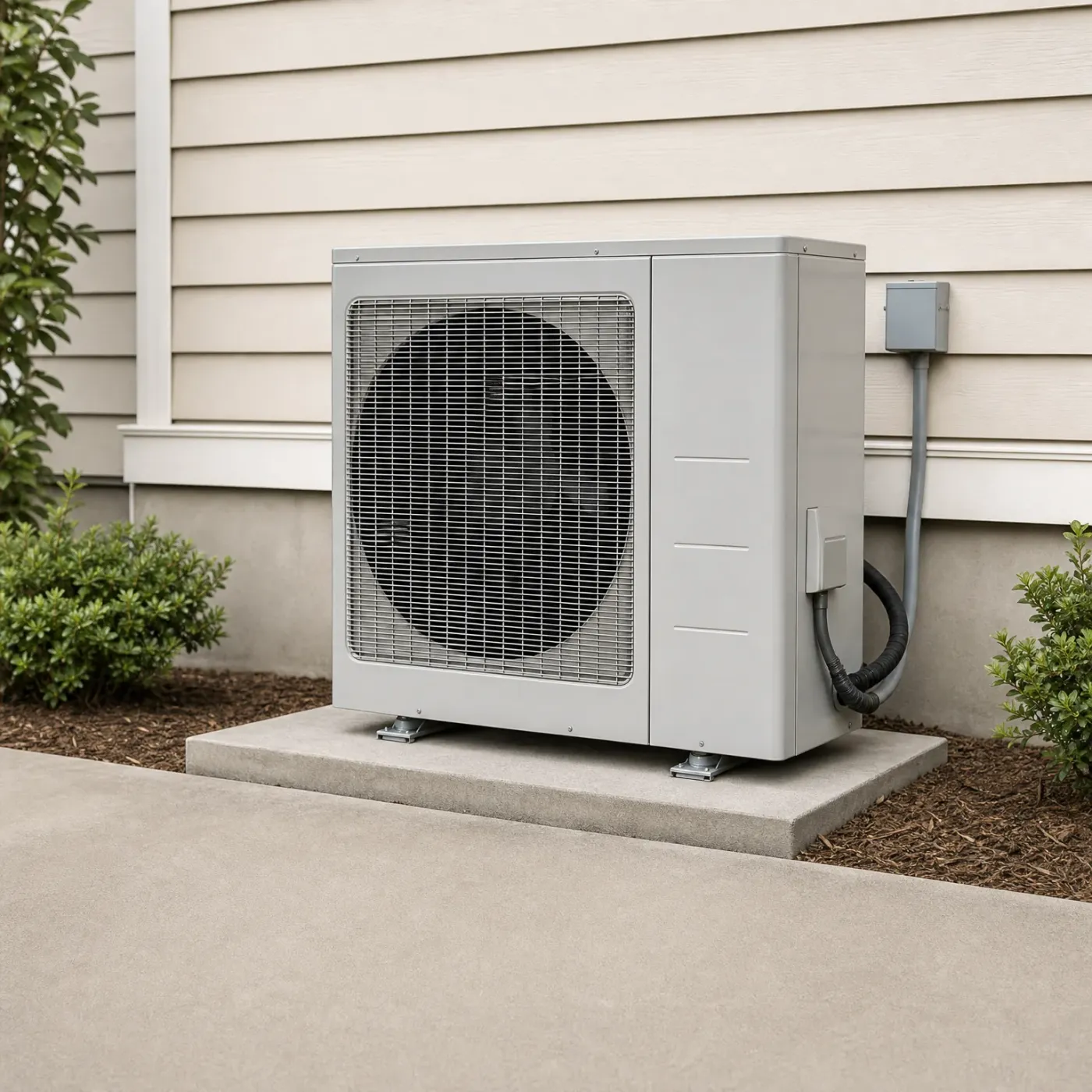
A heat pump set right just hums along, pulling heat from the outside air even when it's cold out. You won't hear much more than a steady fan. Leave the thermostat alone and it holds temperature without strain.
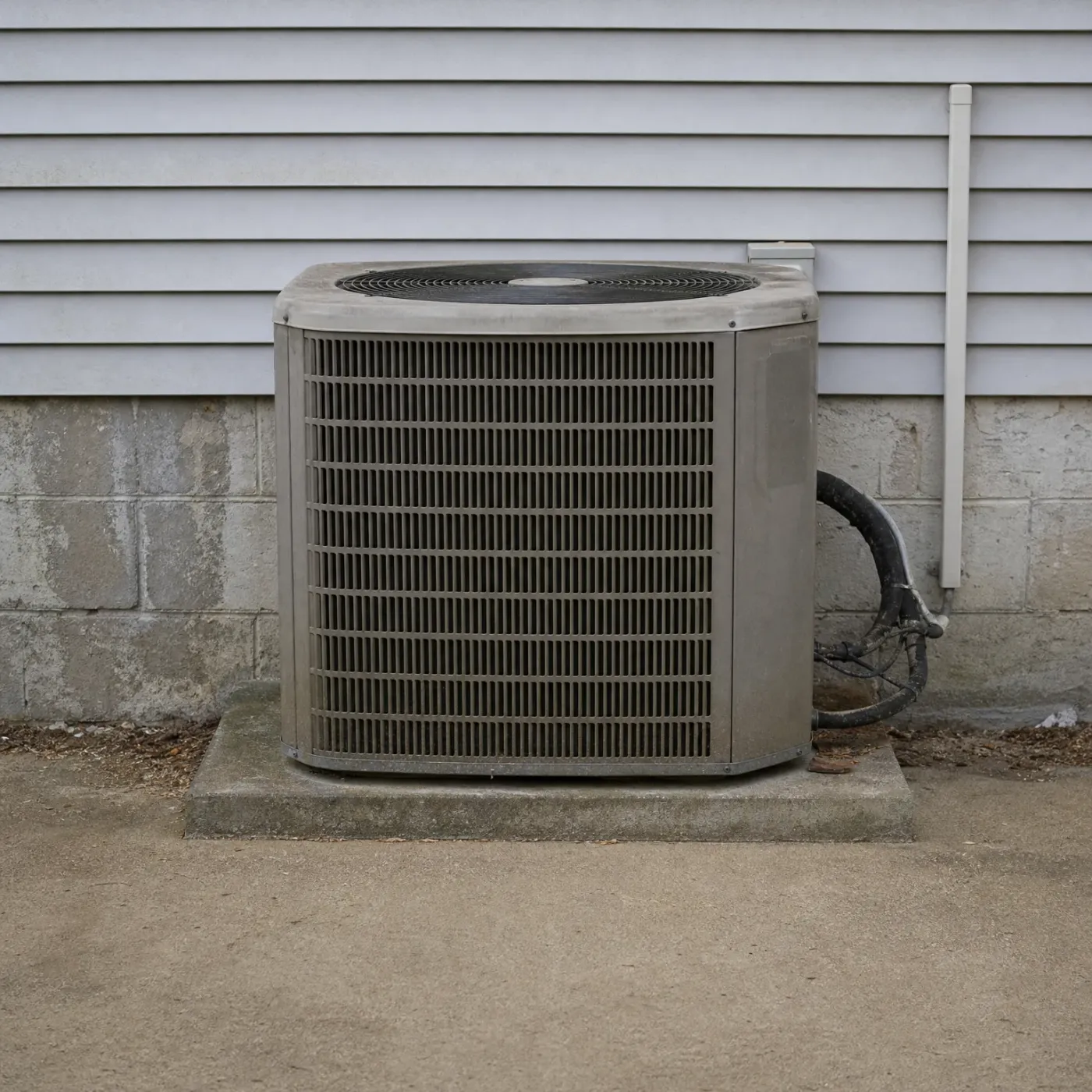
An older unit left to fight the cold on its own works harder than it has to, and that shows up in ice on the coil or a unit that won't shut off. A tune-up before winter catches a weak part before it quits on the coldest night.


A heat pump doesn't burn anything to make heat. It pulls warmth out of the outside air, even cold air, and moves it inside. That's why it runs best left alone at one temperature instead of chasing a setback. The outdoor unit frosts up in cold weather, and on its own schedule it stops, reverses briefly, and melts that frost off the coil. You won't see it happen and you don't need to. When it gets cold enough outside, the compressor alone can't keep up, so backup electric strips kick in to cover the gap. Those strips use more power than the compressor does on its own. A thermostat set back overnight and bumped up several degrees in the morning often trips those strips on, even on a day the compressor could have handled by itself. The valve that switches the system between heating and cooling only moves when the thermostat tells it to, so there's no reason for it to be working overtime if you're not changing modes. Holding one setting through the week keeps the compressor doing the work it's built for.




This is where a heat pump leans hardest on backup heat to keep up. If your set temperature keeps climbing, the strip heat or furnace backup is likely doing most of the work.
That light coming on by itself during a cold snap is normal. If it stays on for hours while the house sits at the same temperature, something upstream isn't keeping up.
Indoor thermostat calls for heat at the set temperature
Reversing valve shifts the system to pull heat from outside air
Outdoor coil absorbs heat even when air is cold
Compressor moves that heat inside through the refrigerant line
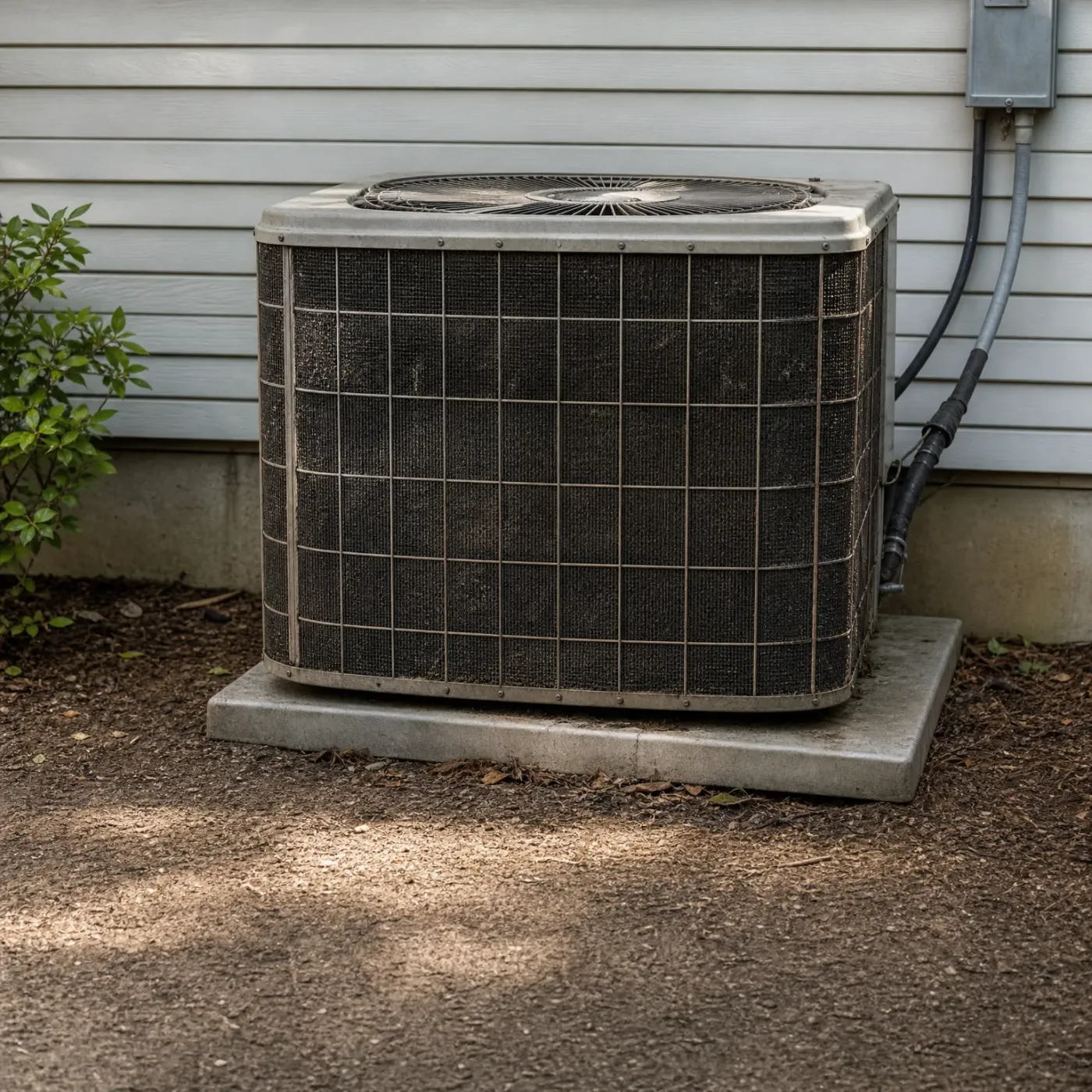
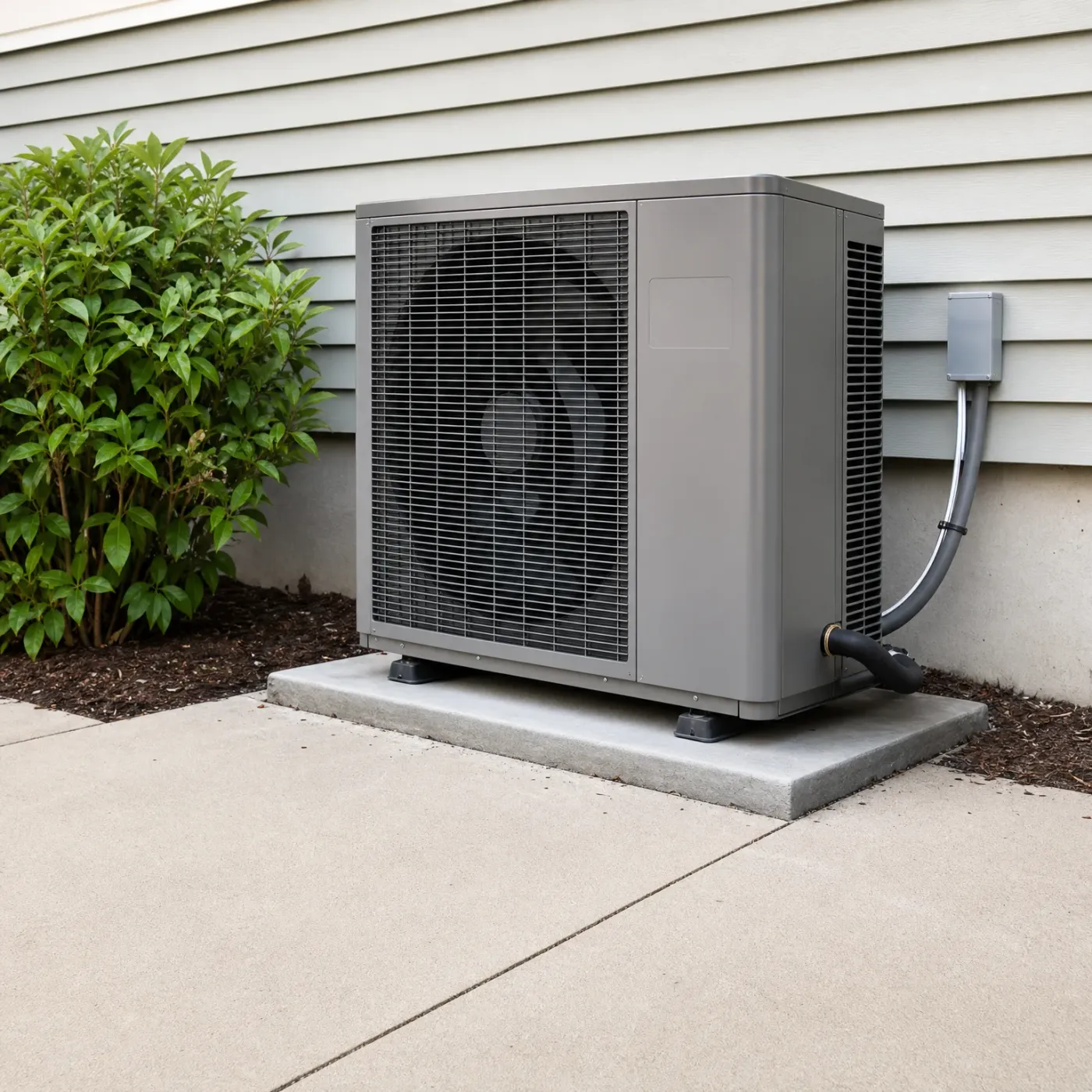
Your request stays with one local pro.
It costs nothing to send, and you don't have to hire anyone.
Set right, a heat pump here sips power even on cold mornings, because it's moving heat instead of making it. Keep bumping the thermostat up and down and you push it into strip heat more than you need to. Power is cheap in Oklahoma, so you may not feel it on the bill right away, but the system still wears the same. The backup heat strips cycle more, the compressor works harder catching up each time, and parts that would've lasted years start showing strain sooner. It's not dramatic. It's just the system running worse than it has to, quietly, all winter.
A heat pump that's been set wrong for a season doesn't usually fail outright. It just starts costing more to run and doing less with that cost. You'll notice the aux heat light more often, or the house takes longer to feel warm after you touch the thermostat. Left alone longer, the outdoor unit works through more freeze and thaw cycles than it should, and whatever's weak in it, a contactor, a capacitor, a low charge, gets closer to the point it gives out. None of that shows up in one night. It shows up as a bigger bill and a system that's worse off come spring.
At 13.21 cents a kilowatt-hour, running the heat pump on its own costs you less than you'd think, even on a cold morning. That's exactly why leaning on strip heat to catch up after a setback is the real waste here, not the heat pump itself. Leave the thermostat alone and let it work at that low, steady draw.
EIA-861 2025 statewide residential average
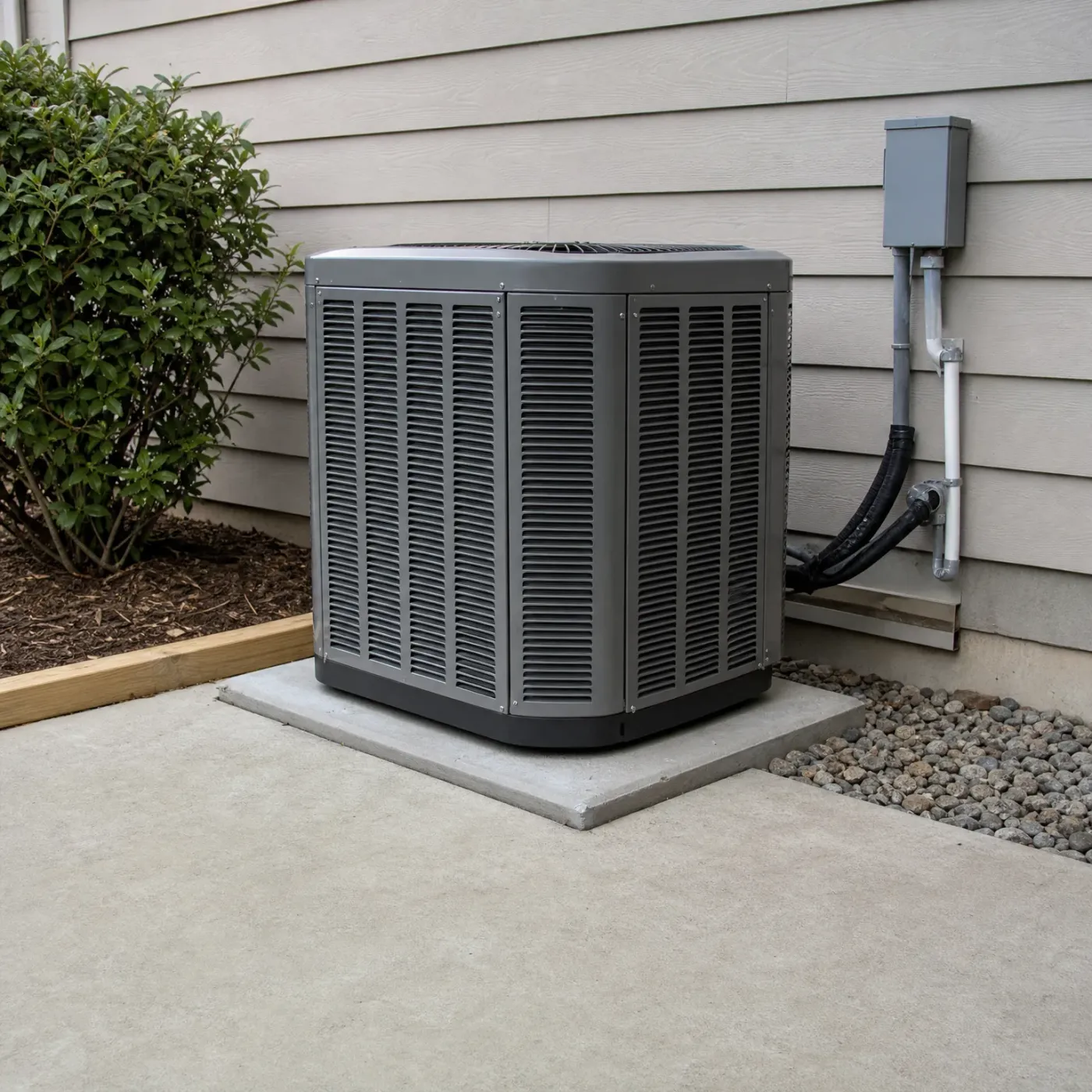
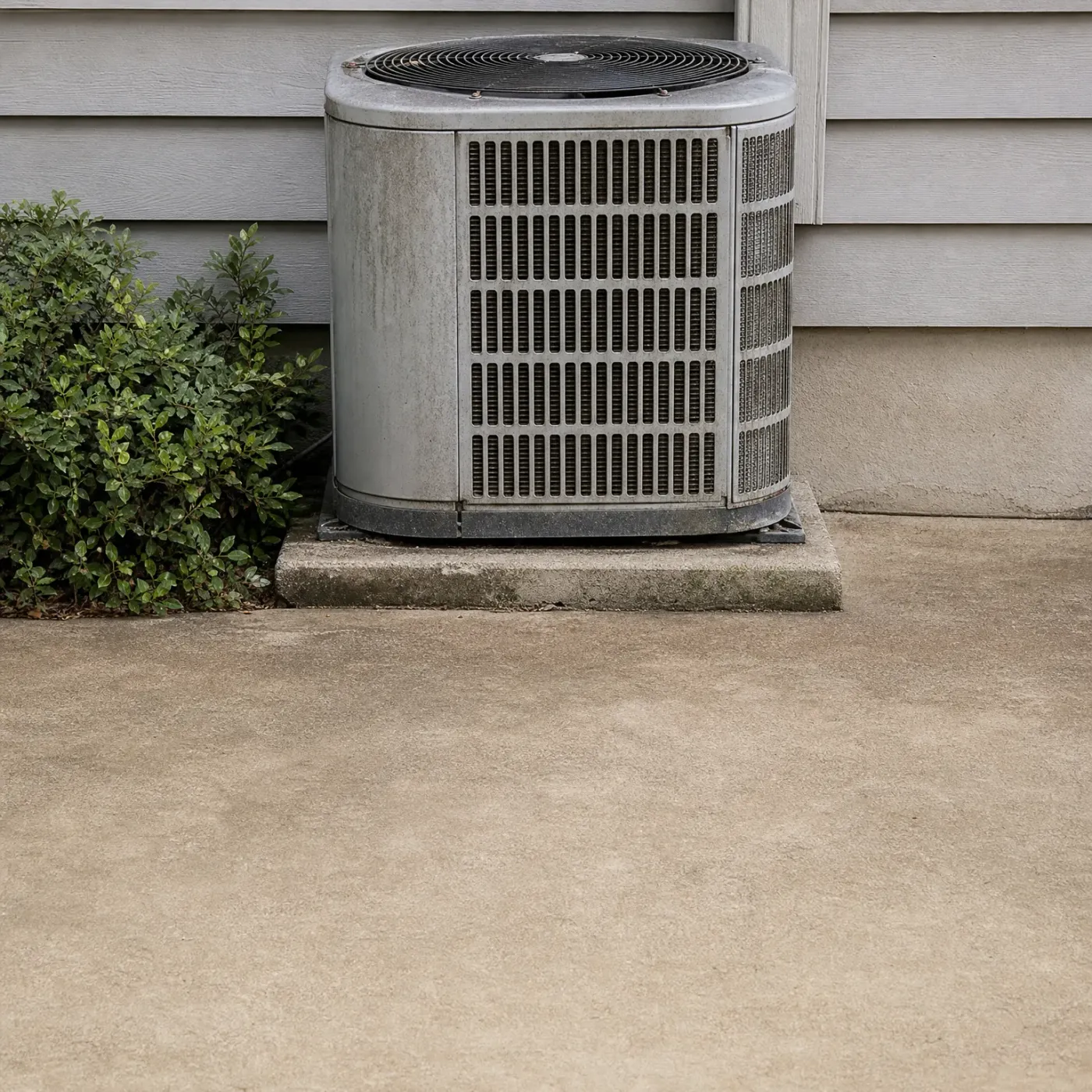
Summer here isn't just hot, it's heavy. Dew points average 66°F across June, July and August, based on NOAA climate data for Oklahoma. That's the same heat pump that's keeping your house warm this winter, and that thick summer air is hard on it in a different way than cold is. The coil has to pull more moisture out of the air to cool the house, so it runs longer and the outdoor unit works harder just to keep up. A system that's been straining all summer going into a cold snap without a checkup is more likely to lean on backup heat than one that had its coil and refrigerant charge looked at first.
NASA POWER T2MDEW county cells weighted by homes
One number in the fall and leave it there, that's the whole answer. Your heat pump holds it with steady, low output, and strip heat only steps in when the outdoor coil genuinely can't keep up on its own. A technician who services heat pumps in your area all winter knows which outdoor units in Oklahoma tend to lean on backup heat too soon, and which thermostat habits wear a system down before its time. That's the kind of thing that shows up in a maintenance visit before it shows up on your bill. You'll be matched with one licensed contractor local to you, not a handful of companies competing for the job, so the person who looks at your system is someone who actually knows this equipment and this climate. Set the temperature once, let the system do what it's built to do, and get it checked before the next cold snap rolls through.

No charge to send it. You decide if you hire them.
A heat pump that's been fighting a setback thermostat all winter is the one most likely to leave you stuck without heat on the coldest morning. A tune-up now catches a weak contactor or a low charge before it decides for you. Send the request and someone local who works on these year-round takes it from there.