Can a heat pump keep up in an Oklahoma winter

Step 1 of 3: Equipment

Yes, a heat pump can keep your home warm through an Oklahoma winter, but it works harder on the coldest mornings than a gas furnace does. A heat pump moves heat from the outside air, and as that air drops toward freezing, there's less heat to pull in. Most heat pumps installed here come with electric backup heat strips that kick in automatically when the outdoor temperature gets low enough, covering the gap on the hardest nights. Oklahoma doesn't see the deep, sustained cold that leaves heat pumps struggling for days at a time, so for most of the winter, the heat pump alone is enough to keep the house comfortable. The backup heat exists for the handful of nights it's actually needed. If your system seems to run constantly or never feels like it catches up when it's cold outside, that's worth having someone look at.

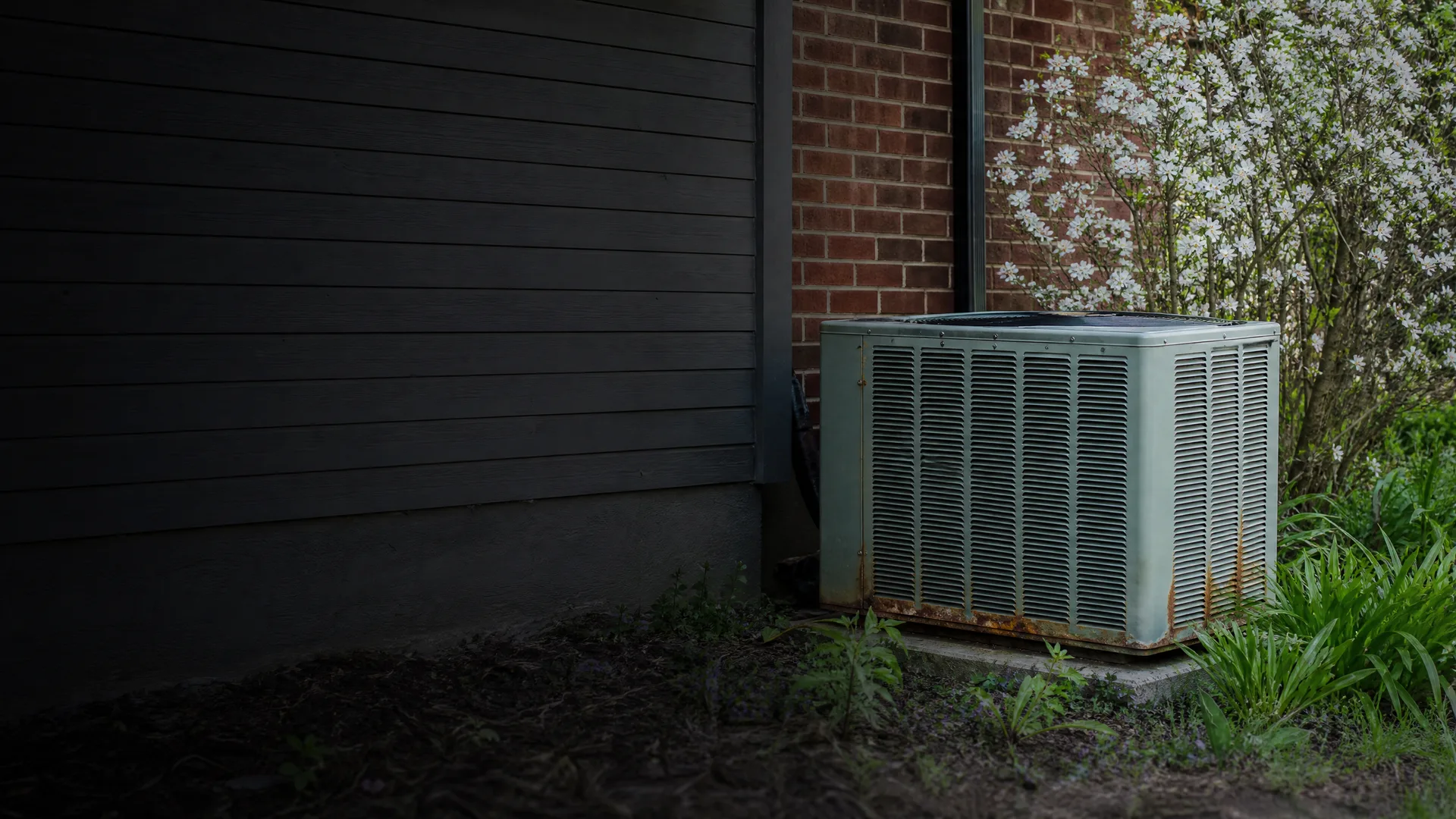
An outdoor air conditioning condenser unit on a concrete pad beside a dark horizontal-siding wall and a brick wall, with flowering shrubs and grass nearby.

You're out checking the yard on one of the first warm days of spring, and the unit catches your eye. Rust is working its way along the base, right where it sits low to the ground. You crouch down and give the panel a light knock, and it sounds thinner than it used to. Through the winter it ran more than you expected, trying to keep the house even on the cold mornings, and you figure that's part of why it looks worn down already. You make a note to ask someone about it before next winter comes around, while the weather's still mild enough that it's not urgent yet.

Power costs 13.21 cents per kilowatt-hour statewide

At 13.21 cents per kilowatt-hour, running your heat pump through a cold snap costs less here than in most states. That matters most on the mornings it leans on its backup heat strips to keep the house warm, since those strips use more power than the compressor alone.

EIA-861 2025 statewide residential average

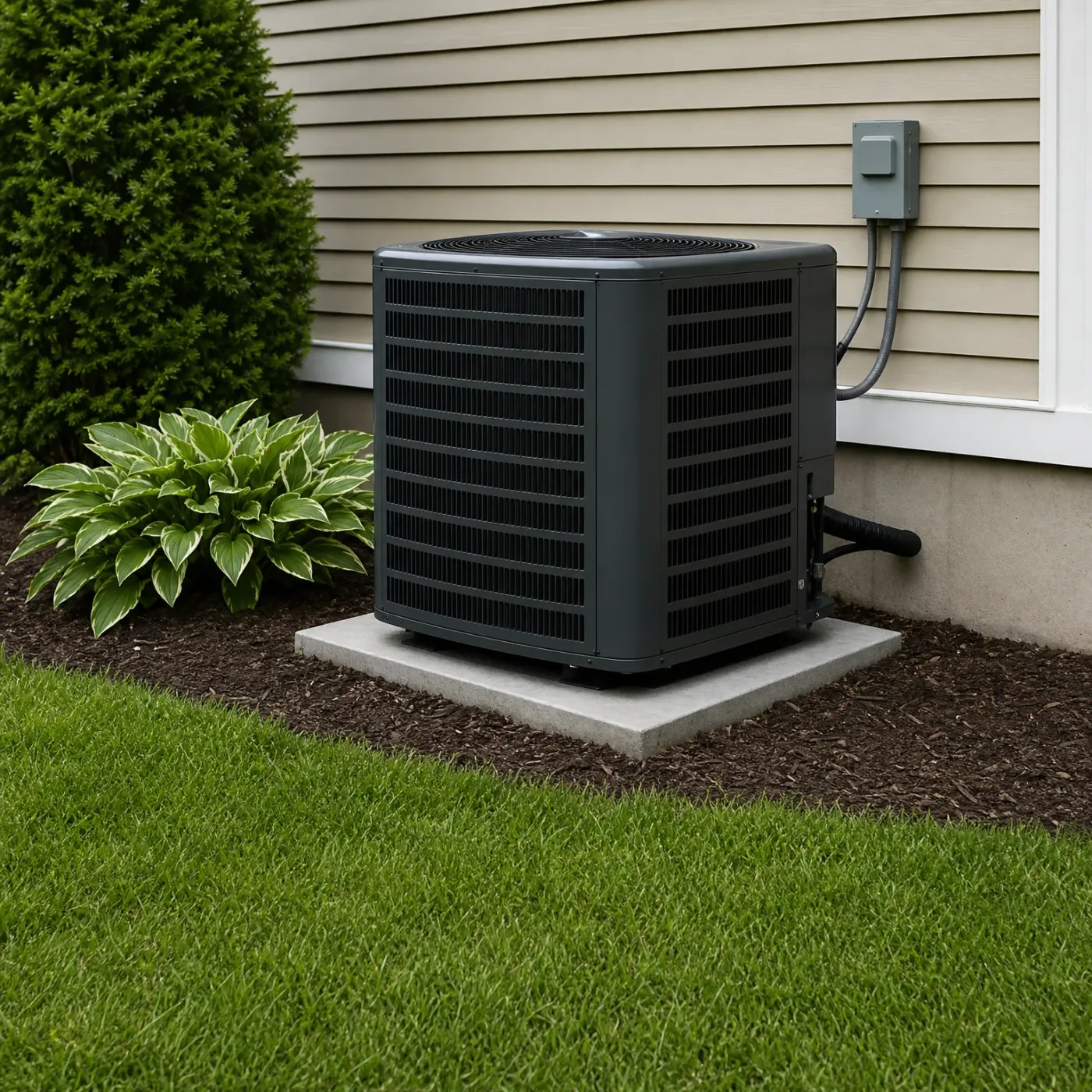
A dark gray outdoor condenser unit on a concrete pad beside a house with beige horizontal siding, with a gray electrical disconnect box and conduit on the wall, mulch beds, a hosta plant, a shrub, and mowed lawn in front.

Running clean

A heat pump that's kept clear around the base and up through the fins can pull heat from the outside air even when it's cold. The fan moves air through easily, and the system isn't working any harder than it has to. This is what lets it hold the house through a cold morning without leaning hard on backup heat.
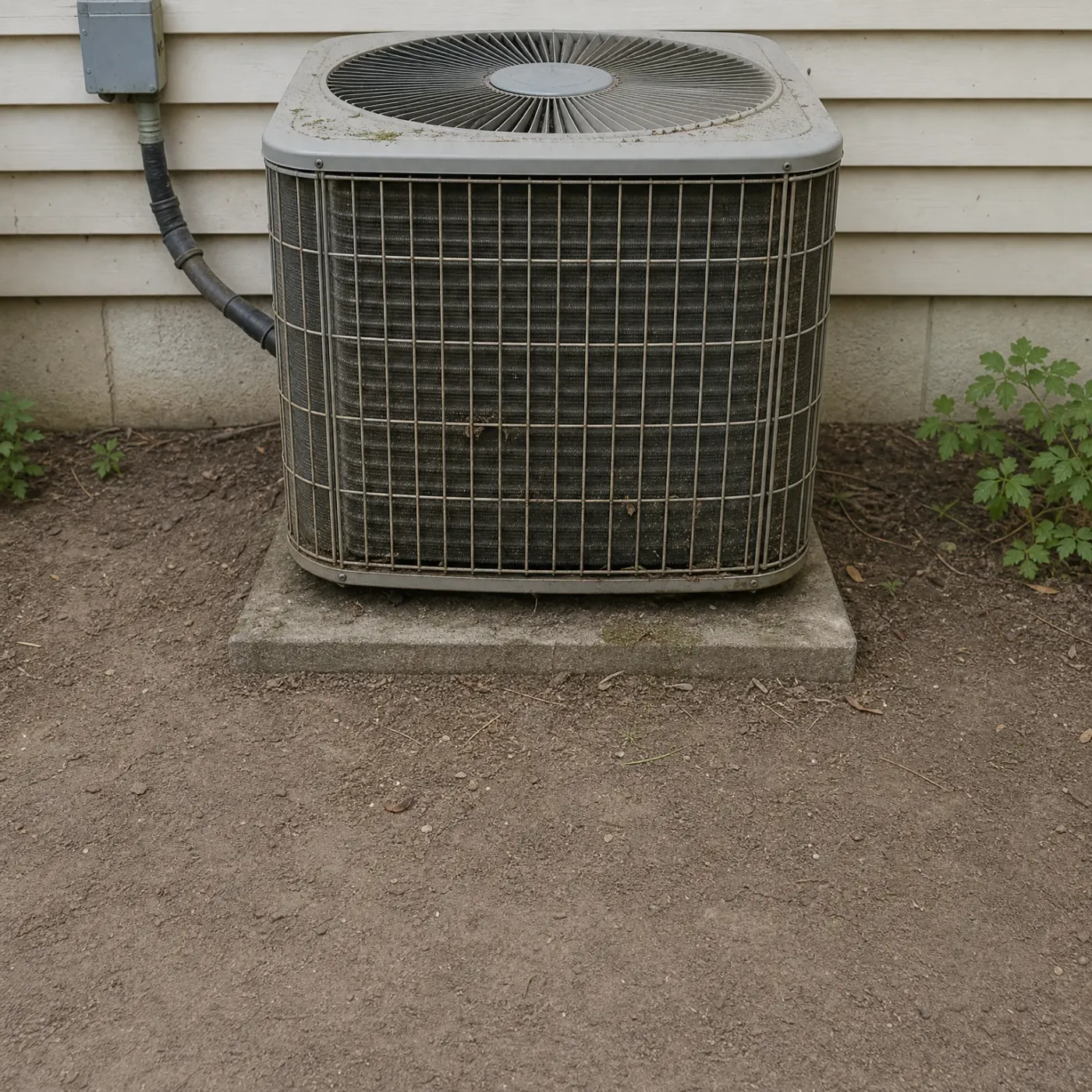

An outdoor air conditioning condenser unit on a concrete pad beside a house with light horizontal siding and a concrete block foundation, with bare soil and small green plants around it.

Clogged and struggling

Dust and grime packed into the fins block airflow before the unit ever starts working on the cold outside. It has to pull harder to move the same amount of air, and on a cold morning that's exactly when it can least afford the extra strain. A unit in this shape falls back on backup heat sooner, and costs more to run doing it.

What temperature is too cold for a heat pump to work?

You've seen the forecast dip into the teens or lower, and you're wondering if the heat pump sitting outside is about to stop earning its keep. It's a fair question. A gas furnace makes its own heat and doesn't care how cold it is outside. A heat pump works differently, and there's a real point where the outdoor air stops giving up enough heat to pull from.

Most heat pumps lean on backup heat once it drops into the low to mid 30s

Below that range, the compressor is still running, but it can't pull enough heat from the outside air to keep up on its own. That's when the backup heat strips kick in and carry more of the load. The heat pump itself doesn't shut off in an Oklahoma winter. It just isn't doing the job alone once a hard freeze sets in overnight. Most mornings here don't stay that cold for long, so the strips run in short bursts rather than all day. How often that happens depends on the unit's size and how well it was matched to the house when it went in, which is worth asking about at installation.

  1. Indoor air passes over the evaporator coil, giving up its heat

  2. Refrigerant carries that heat outside to the compressor

  3. The compressor squeezes the refrigerant, raising its temperature further

  4. The outdoor coil pulls in outside heat and sends it back indoors

A woman with long wavy brown hair in a grey ribbed sweater sits on a couch indoors, looking toward a window, with a potted palm-like plant and fireplace behind her.
A woman with long brown hair wearing a green V-neck top and beige cardigan sits on a light sofa, looking off to the side, with a dining table, lamp and framed picture in the background.
A woman with long dark hair in a cream knit sweater sits on a beige sofa indoors, looking toward a bright window with a houseplant and framed picture in the background.
A woman with long dark hair in a green knit sweater sits on a couch indoors, smiling and looking toward a window with a blurred room behind her.
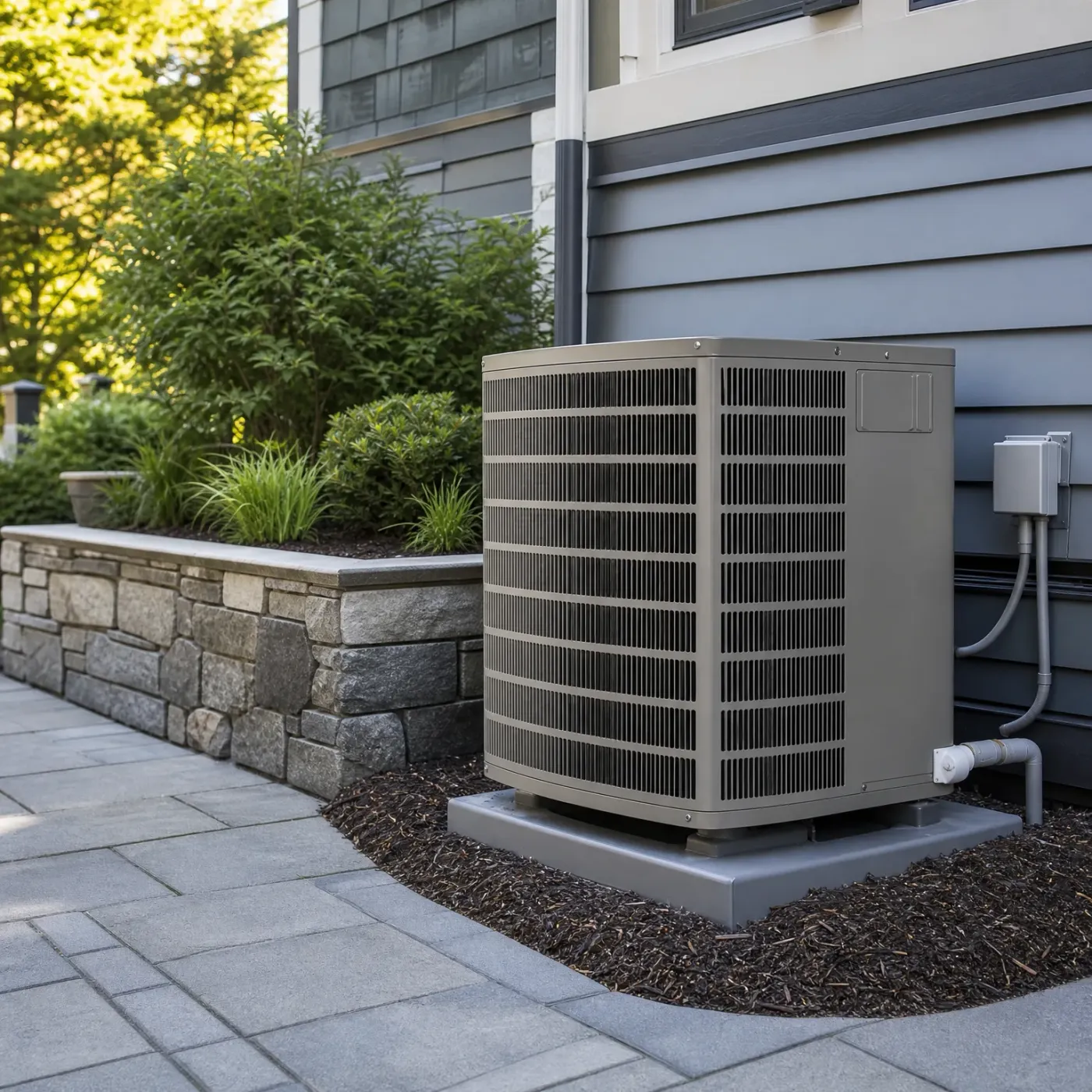
A beige outdoor condenser unit on a gray pad beside a house with gray horizontal siding, with refrigerant lines and an electrical disconnect box on the wall, bordered by dark mulch, a stone retaining wall with shrubs, and a paver walkway.

A local pro for your heat pump installation

Once you send the form, finding a pro is off your list.

A local installer who puts in heat pumps gets your project.

Find a heat pump pro

Sending the form costs nothing.

Why does the house feel cooler on the coldest mornings?

You notice it most around sunrise, when the air outside has sat near or below freezing for hours. The vents are still blowing, but the air coming out feels cooler than it did in the evening, and the thermostat shows a degree or two below where you set it. You might hear the system running longer stretches than usual, or notice a low hum as the backup heat strips kick in to help it along. None of this means something is broken. It's the system working harder because there's less heat in the outside air to pull from. If the house still feels cold after the unit has run a while, or one room stays noticeably colder than the rest, that's worth having a contractor look at before the next cold snap.

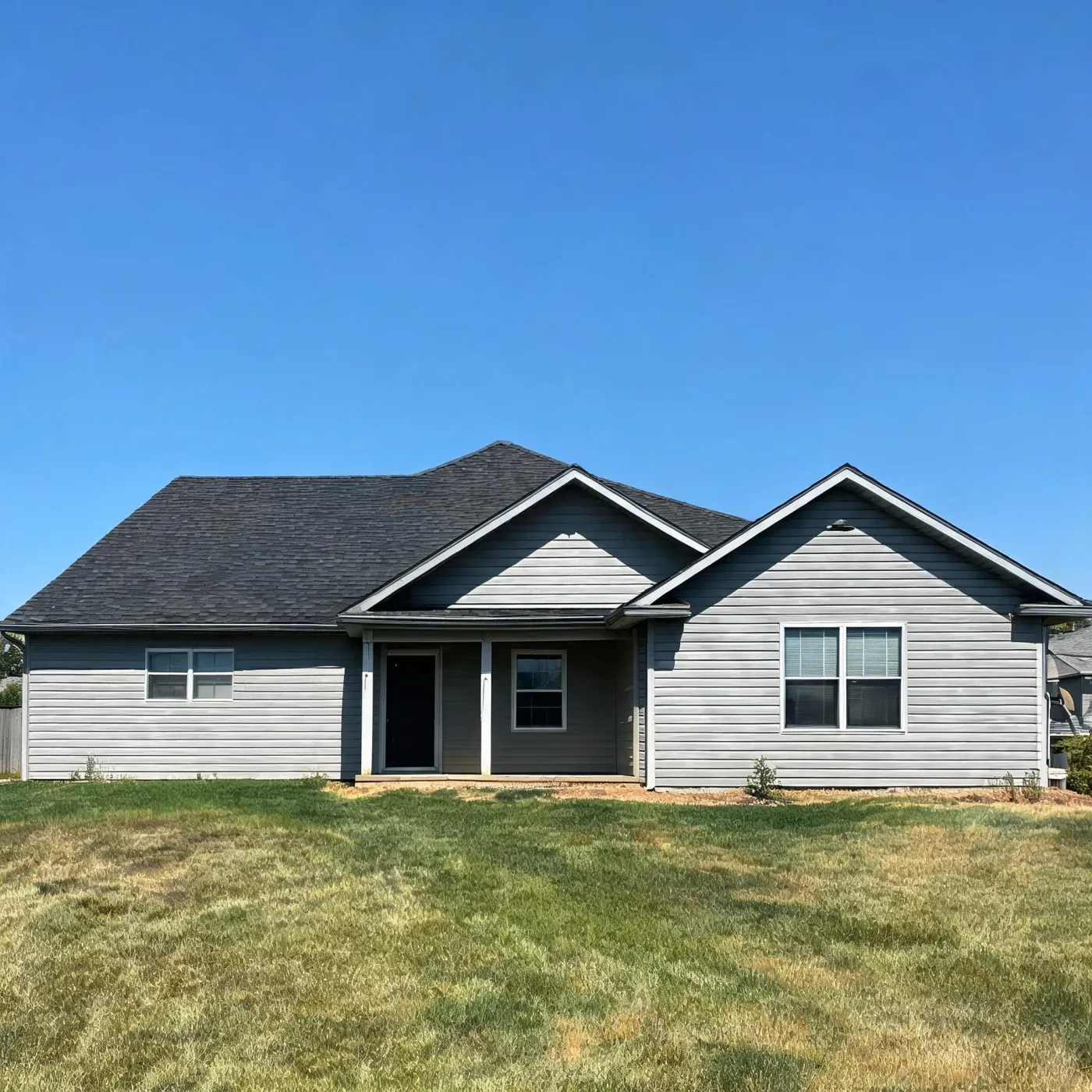
Single-story house with gray horizontal lap siding, dark shingled gable roof, a small covered front porch with a dark door, and windows, set behind a patchy green and brown lawn under a clear blue sky.

That same heat pump also has to pull moisture out of the air all summer, and Oklahoma air holds a lot of it. Averaged across June, July and August, the dew point here runs 66°F, thick enough that the air feels heavy even before the temperature climbs. Your heat pump has to work through that moisture every time it cools the house, which is a different kind of load than the cold mornings put on it in winter. You'll notice it as a unit that seems to run long stretches in July, then switches to leaning on backup heat strips on a January morning. It's the same equipment handling two very different jobs each year.

NASA POWER T2MDEW county cells weighted by homes

A man seen from behind raises his hand to wave at a woman standing in the open front doorway of a single-story house with gray shingle siding, white columns and a gabled porch entry.

A heat pump can carry your winter here

A heat pump sized and installed for your house can keep it warm through an Oklahoma winter, backup heat strips included for the mornings it needs them. The harder question was never whether it works. It's whether the one on your property is matched to your house and set up to switch over the way it should when the temperature drops.

If you're not sure about that, or the unit's age has you wondering, the next step is getting a contractor who installs these systems to look at your specific setup. You'd be matched with someone who takes on your situation, not a general call list, and they reach out to you from there. Finding the right person for the job stops being something you have to figure out on your own.

A gray upholstered sofa with a textured cushion sits beside a dark round side table holding a vase of green foliage, with a table lamp and sheer-curtained window behind.
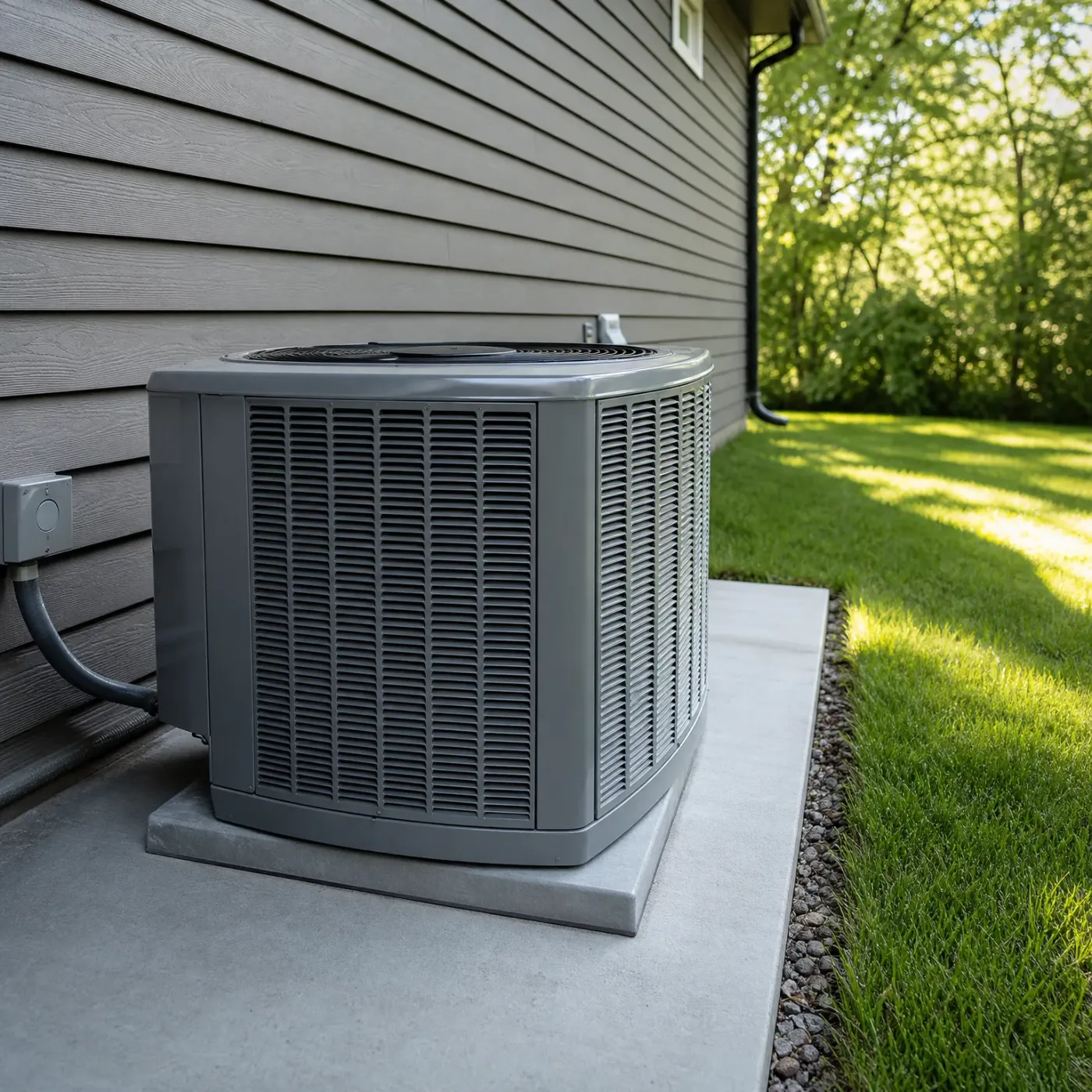
A gray outdoor air conditioner condenser unit on a concrete pad beside a house with horizontal lap siding, with an electrical disconnect box and conduit on the wall, a downspout, gravel edging and a green lawn with trees to the right.

Get the right pro for your heat pump

Get a local pro

After you send the request, you're done searching.

You're not committing to anything by asking.