Below 25 to 30 degrees
Your heat pump leans on backup heat to keep up. If that backup is electric strip heat, those are the mornings your bill shows it.
A heat pump starts losing ground somewhere around 25 to 30 degrees outside, and below that it has to work harder to pull the same heat out of the air. Oklahoma doesn't sit at those temperatures for long, but it gets there most winters, usually on a handful of nights rather than for weeks at a stretch. When it does, the heat pump doesn't shut off or fail. It just can't keep up on its own, and the backup heat built into the system kicks in to cover the rest. Most homes here heat with gas, so that backup is often a gas furnace working alongside the heat pump rather than electric strip heat. The two are supposed to work together on the coldest nights. If your home feels cool indoors when it's cold outside, or the system seems to run constantly without catching up, that's usually a sign the backup heat isn't kicking in the way it should, not that the heat pump itself is broken.
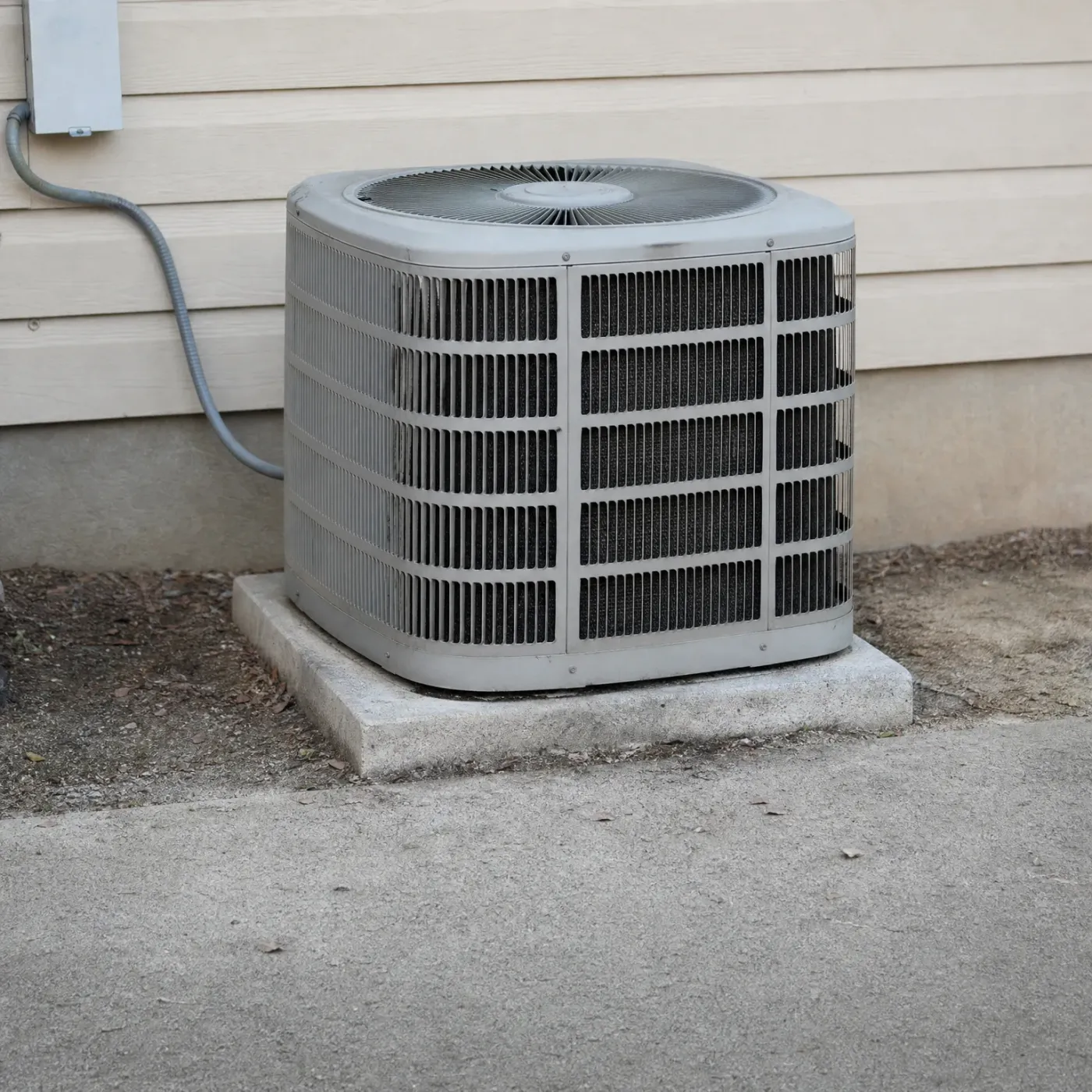
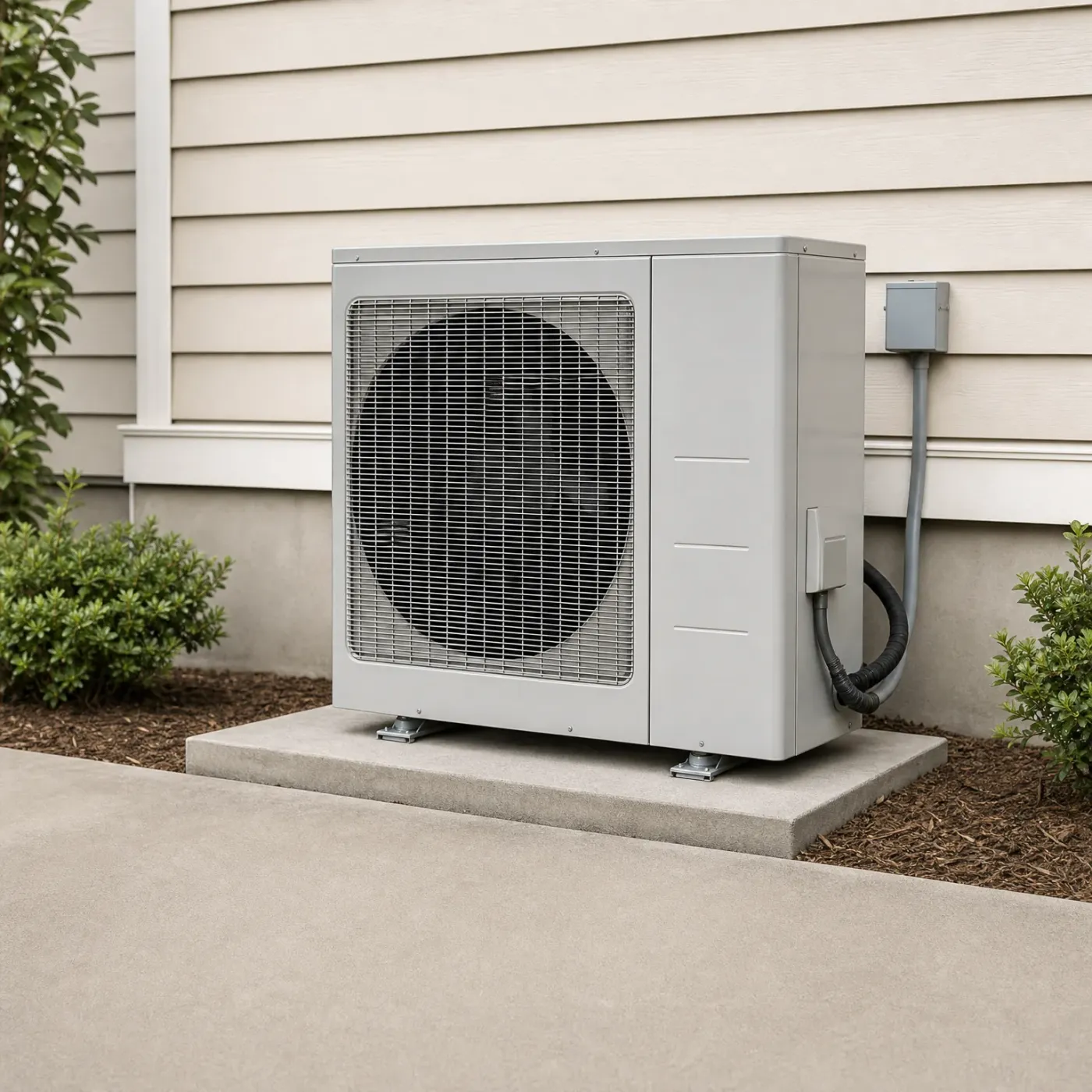
Most heat pumps lean on a second heat source once the outdoor air gets cold enough, usually an electric strip or, if the home is set up for it, the gas furnace working alongside it. That backup is what keeps the house warm when the outdoor unit alone can't pull enough heat out of the air. It's a normal part of how the system is designed to run, not a sign anything is wrong. In Oklahoma, that backup kicks in on the coldest mornings of the year, then steps back once the temperature climbs again. A system sized and installed for the area accounts for this from the start.
Most homes in Oklahoma heat with gas, so a heat pump installed here often works alongside a gas furnace rather than carrying the whole winter by itself. How those two are paired, and at what outdoor temperature one hands off to the other, is a decision made at installation. Get it wrong and the house either runs on expensive backup heat too often or the heat pump struggles on the coldest days before the furnace ever kicks in. Get it right and each system does the part it's suited for. That balance is specific to your home, not a setting that comes standard on the unit.




Your heat pump leans on backup heat to keep up. If that backup is electric strip heat, those are the mornings your bill shows it.
An installer can set up backup heat that fits your home, gas furnace or electric strip, so the cold mornings don't catch the system short.
You turn up the thermostat and the air coming out doesn't feel as warm as it did in November. That's normal once it's cold enough outside, and it means the heat pump has handed part of the job to its backup heat. If your home heats with gas furnace backup, you might hear the furnace kick on and run longer than you're used to. If the backup is electric strip heat, you won't hear much of anything, but the meter will spin faster, and that shows up on the bill that comes a few weeks later. A heat pump that's undersized for Oklahoma winters leans on that backup more often than it should, which means more electric heat and higher bills on the coldest stretch of the year.
Summer here isn't just hot, it's heavy. Air across Oklahoma averages a dew point of 66°F through June, July and August, based on NOAA climate data, and that's the kind of muggy that makes your heat pump work on two fronts at once: pulling heat out of the air and pulling moisture out of it too. On the stickiest days you'll notice the system runs longer just to get the house feeling dry, not just cool. A heat pump sized and installed for that load keeps up without straining. Once you send in the form, you're done hunting for someone to check that sizing. A contractor who works with Oklahoma's summers takes it from there.
NASA POWER T2MDEW county cells weighted by homes
Most homes in Oklahoma heat with gas, so a heat pump here usually isn't carrying the whole winter on its own. But plenty of homes do run on a heat pump with electric strip backup, and on those handful of mornings below 25 to 30 degrees, that's the setup that decides how high the bill climbs. Power is cheap here, which helps, but strip heat still costs more to run than the heat pump working by itself. The difference comes down to how the system was sized and matched when it went in. A heat pump and backup sized for what Oklahoma winters actually do, not just the average day, keeps those cold mornings from costing more than they should. If you're not sure your current setup is built for that, or you're weighing gas backup against electric for a new install, an installer who works in this climate can look at your home and tell you what fits.
So the answer is 25 to 30 degrees. That's the point where your heat pump stops keeping up on its own, and in Oklahoma that point shows up on a handful of mornings most winters, not for weeks on end. The rest of the time, the system is pulling heat out of the air the way it's supposed to, no different from how it cools your house in summer. When the outside air does drop into that range, something else has to pick up the slack, whether that's electric strip heat or a gas furnace working alongside the heat pump. That's why the air from the vents can feel cooler on those mornings even as the house climbs back up to temperature. It isn't a sign anything's wrong. It's the backup doing the part of the job the heat pump can't finish alone at that temperature.
What changes the experience from one house to the next is whether the system was sized for how cold it actually gets where you live. A heat pump matched to Oklahoma's winters leans on backup heat only when it has to, not on every chilly night. Most homes here heat with gas, so the heat pump usually has company long before the coldest mornings arrive. Either way, the cold itself isn't the problem. It's whether the system in your house was set up to handle it.


A heat pump installed to match your home's backup setup and your winter mornings below 25 to 30 degrees won't leave you guessing when the cold sets in. Whether that backup ends up electric strip heat or your gas furnace working alongside it, the right sizing from the start keeps the house warm without surprises on the bill. Get matched with an installer who can look at your home and set that up, and once you send the form, finding the right fit for your house is off your plate.
One request ends the search for a heat pump installer.
There's no charge for the request.