Running the Way It Should
The lines are clean, the pad is level, and the fan grille is free of rust. A unit kept clear of mulch and shrubs crowding its sides pulls air the way it was built to. If yours looks like this, let it keep working.

You've got a heat pump running your heating and cooling, and you're wondering how many more years you can count on it before it's time to budget for a new one. Summers here get sticky and your heat pump works hard through them, so it's a fair question whether it wears faster than it would somewhere milder.
Most heat pumps last around 15 years. In Oklahoma, the long muggy summers push that number down some, because the system runs its compressor hard for months just to keep up with the heat and humidity, and that wear adds up faster than it would in a place with a shorter summer. Winters here are milder than in a lot of the country, so the heat pump isn't working as hard on that end, which helps balance things out some. Since gas heat is common here, a lot of these heat pumps are only handling cooling duty, or backing up a furnace, which can stretch the years out a bit compared to one that runs year round for both.
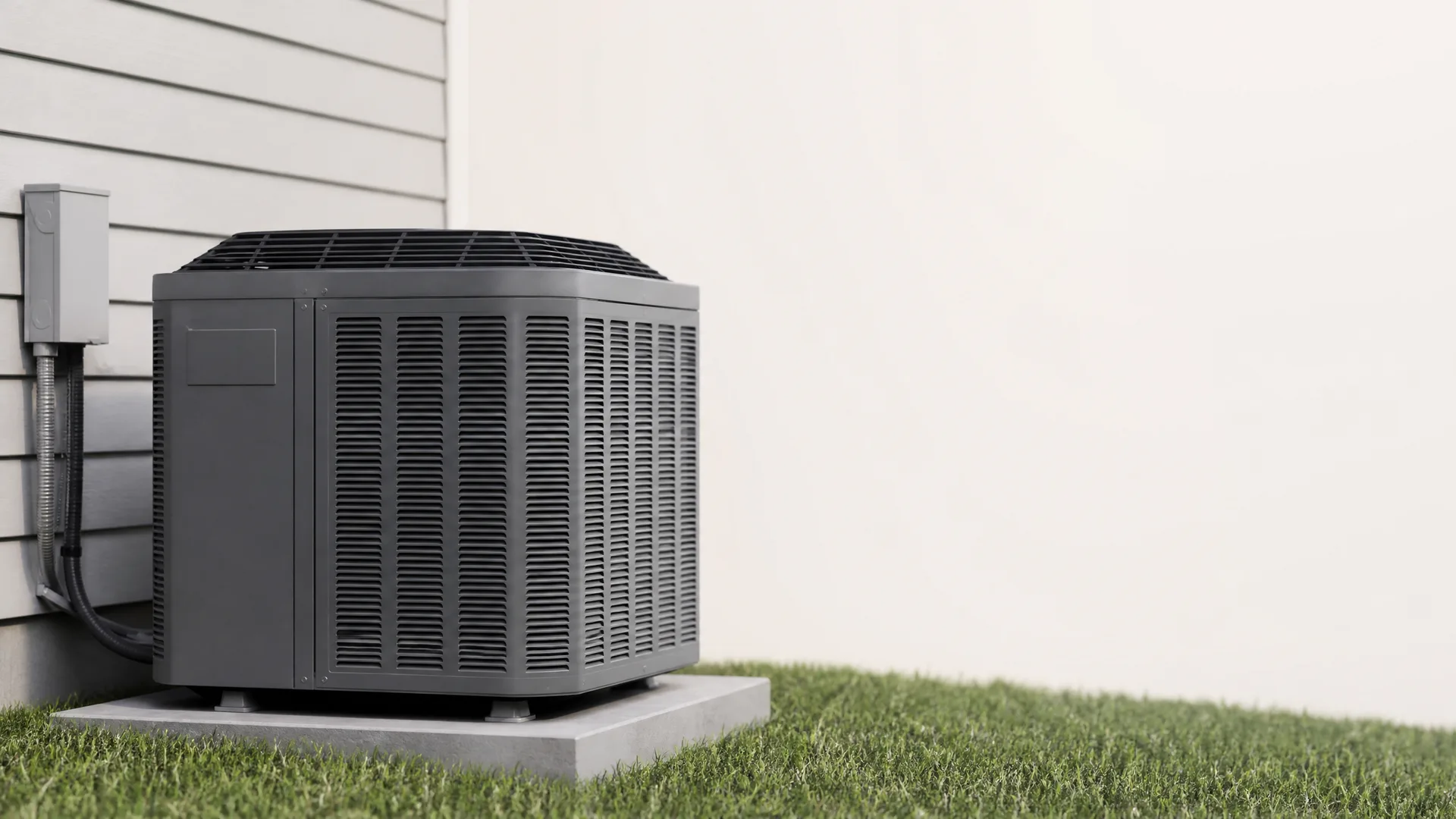
The compressor is the part that wears out first, and it's the most expensive thing to replace. Once it starts failing, most contractors will tell you to replace the whole unit instead of just that part. A heat pump runs its compressor through both summer cooling and winter heating, year after year, unlike a furnace that only runs half the year. That double duty is why a heat pump's clock runs faster than a furnace sitting next to it.
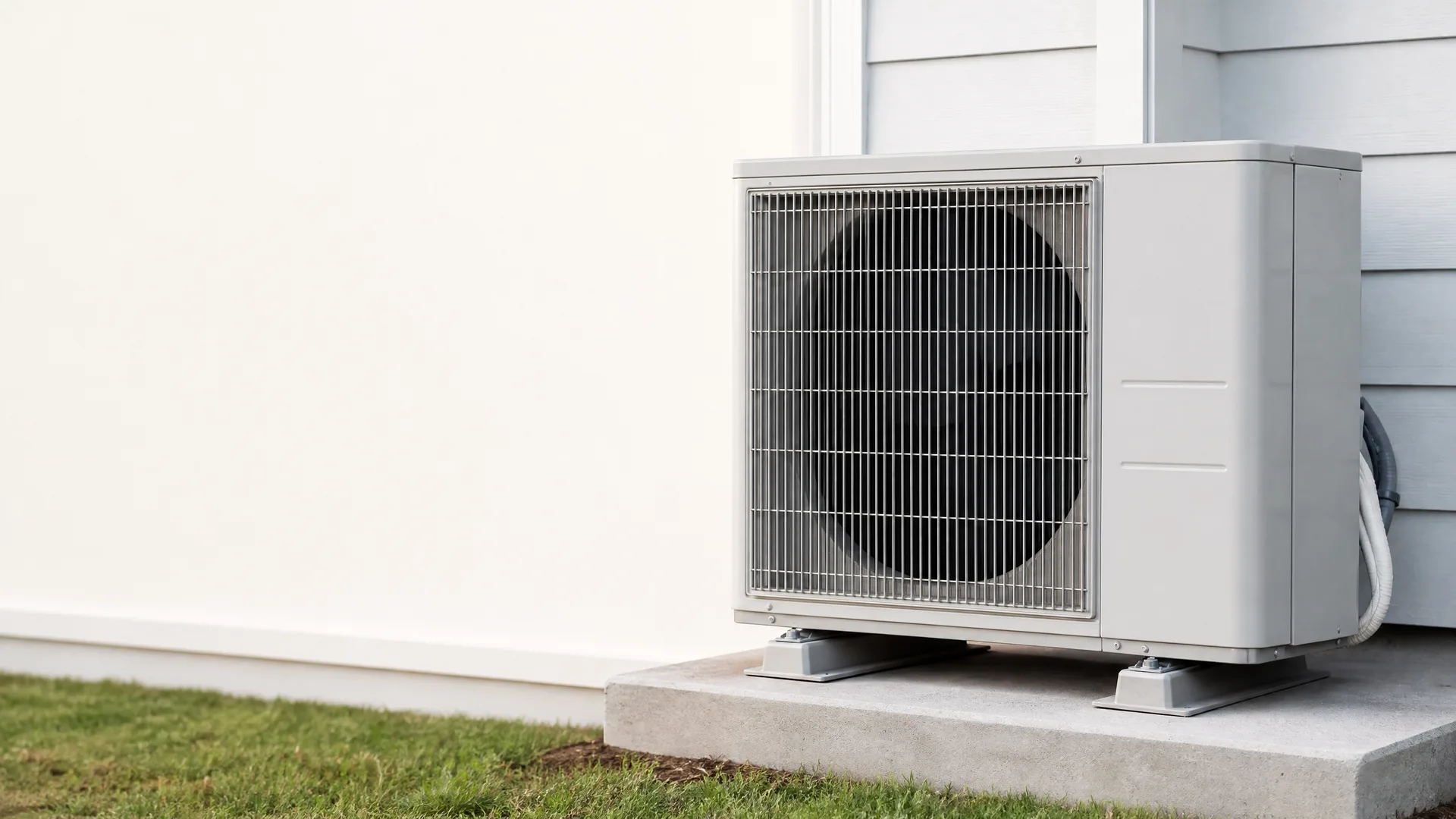
Oklahoma's low electric rates mean an aging heat pump isn't draining your wallet the way it might somewhere with higher rates. That takes some of the pressure off replacing early just to cut the bill. But an older heat pump still loses efficiency as the coil and compressor wear, and it still breaks down more in the stretch of hot months when you need it most. The question becomes reliability, not cost, and that's worth weighing on its own.
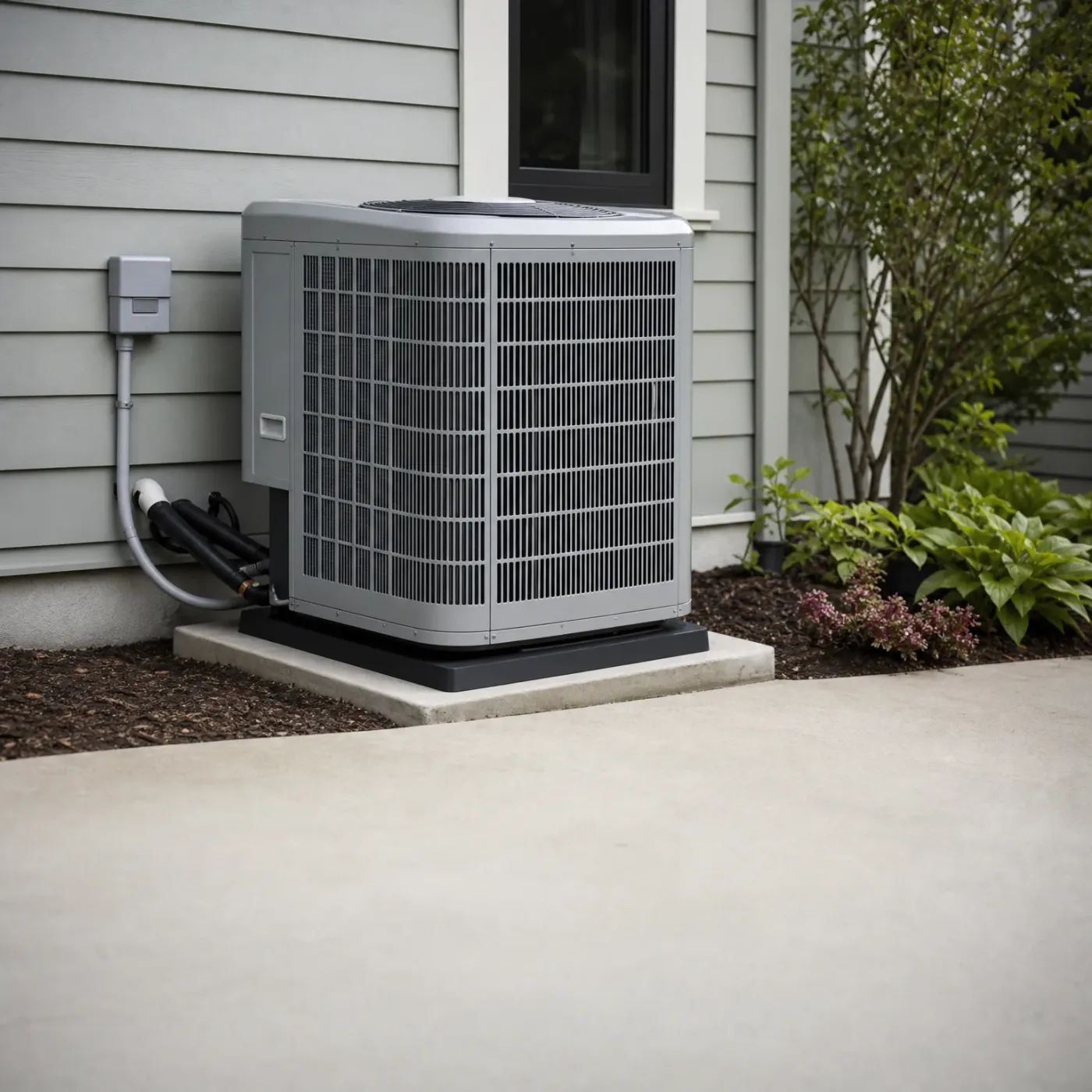
The lines are clean, the pad is level, and the fan grille is free of rust. A unit kept clear of mulch and shrubs crowding its sides pulls air the way it was built to. If yours looks like this, let it keep working.
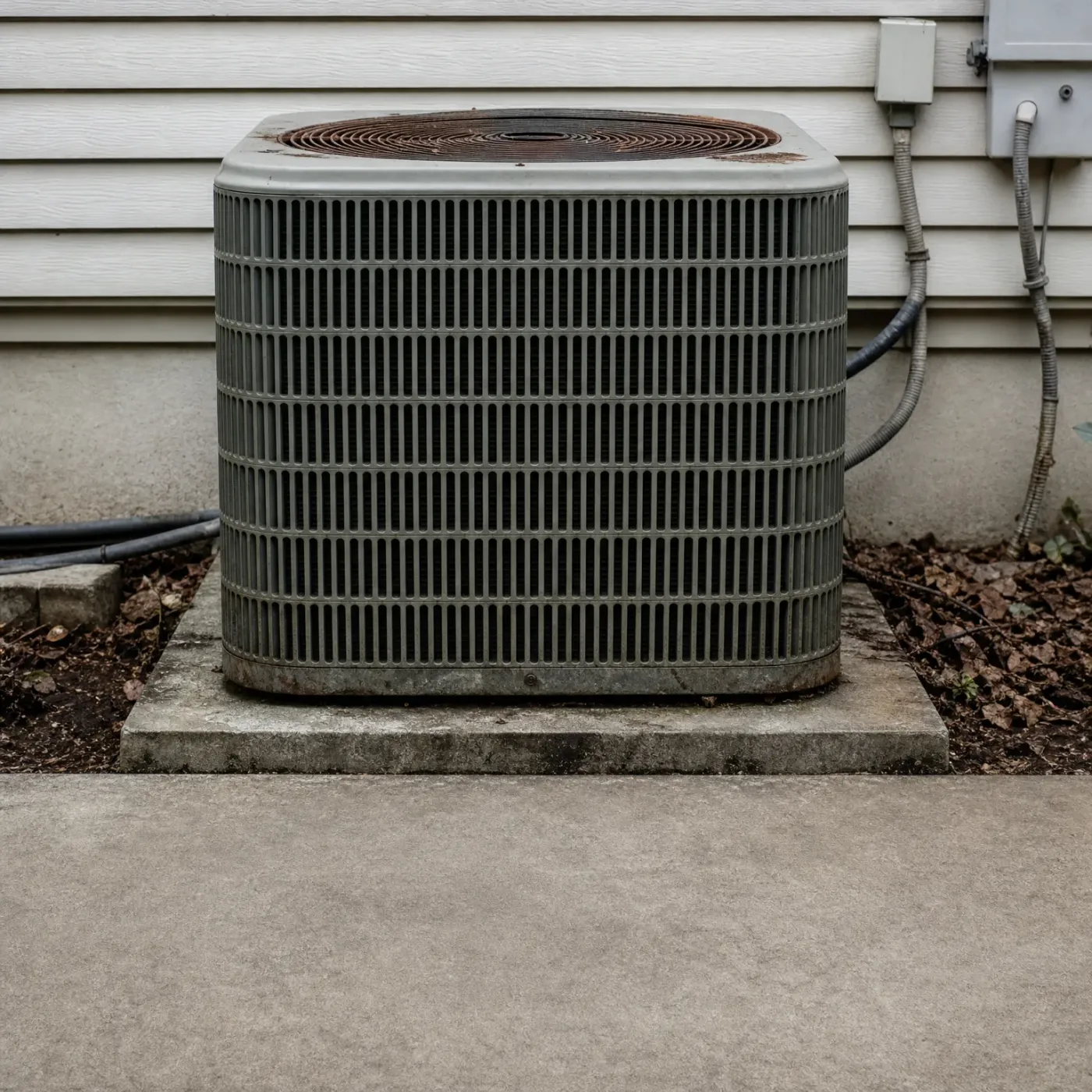
Rust on the top grille and dirt packed around the base mean the cabinet and coil have been sitting in weather for years. It may still run, but a unit that looks like this is closer to the point where a repair call turns into a quote for a new one.




Skip collecting and comparing quotes for the new heat pump.
There's no charge for the request.
Your heat pump will tell on itself before it quits outright. It'll run longer to hit the same temperature, or it'll cycle on and off more than it used to. You might notice a room or two that never quite cools down in July, or a system that struggles to catch up after a hot afternoon. The outdoor unit might get louder, especially when the compressor kicks on. None of that means it's dead. It means it's working harder for the same result, and that shows up on your power bill before it shows up as a breakdown.
Since gas covers most of the heating load in Oklahoma, your heat pump is mainly carrying the cooling, which is the harder season on the compressor anyway. A unit that fails in August leaves you without air conditioning during the stickiest stretch of the year, not a slow weekend project. Power here is cheap enough that most homeowners don't feel the cost of an aging unit until it's running constantly just to keep up. Waiting until it fails outright usually means scrambling for a contractor during the week everyone else is calling too.


Most of what shortens a heat pump's life happens out of sight, in the outdoor unit. The reversing valve is what lets the same system heat in January and cool in July, sliding back and forth to change the direction refrigerant flows. When it sticks, the unit can get stuck in one mode or start short-cycling, and that valve takes real wear over years of switching back and forth. The outdoor coil sits exposed to Oklahoma's humid summer air, and grime builds up on it faster here than in a dry climate. A dirty coil can't shed heat the way it should, so the compressor runs longer and hotter to do the same job. In winter, the defrost cycle is supposed to clear ice off that same coil automatically. If the defrost control sticks, ice builds up and blocks airflow for hours before anyone notices. Low refrigerant works against the system in a quieter way. A slow leak doesn't shut the unit down, it just makes the compressor strain harder for the same output, and that strain adds up long before anyone sees a symptom. The outdoor fan motor matters too, since it's what pulls heat off the coil. If that motor weakens, the compressor can overheat even while the thermostat shows everything running normally. And because Oklahoma spring and fall don't demand much, the system cycles on and off more than it would somewhere with a longer, steadier season, and all that starting and stopping wears on parts that an idle unit wouldn't touch.
At 13.21 cents per kilowatt-hour, running your heat pump through a sticky Oklahoma summer won't wreck your power bill the way it might elsewhere. That gives you room to keep an aging unit going a bit longer, since a less efficient compressor costs you less here than in a state with pricier power.
EIA-861 2025 statewide residential average
A heat pump in Oklahoma runs somewhere around 12 to 15 years, less if the compressor or reversing valve gives out early, more if the coils stay clean and the refrigerant charge stays right. You don't need a crystal ball to know where yours stands. Age, how it's cycling, how the rooms are cooling this summer, those tell you enough. If it's struggling, the real work isn't deciding whether to replace it. It's finding someone who can look at your unit and tell you straight whether it's worth fixing or time to swap it out, instead of you calling around to three or four companies, explaining the same symptoms each time, and trying to make sense of quotes that don't match up. Getting matched with a contractor who knows Oklahoma systems skips that part. You still have to decide what to do with your heat pump. You just don't have to figure out who to trust with that decision on your own.




Skip the round of in-home estimates for a new heat pump.
You only hire the pro if you want to.