Is a cold-climate heat pump worth it in Oklahoma

One request ends the search for a heat pump installer.

Send my request

A cold-climate heat pump is usually not worth the extra cost in Oklahoma. Winters here are mild enough, and short enough, that a regular heat pump keeps up most days without help. The cold-climate models earn their price where temperatures sit below freezing for weeks at a time, pulling heat out of air that barely has any to give. That is not what your system is working against most winters. Most homes here back up the heat pump with a gas furnace anyway, so on the rare hard freeze, the furnace carries the load instead of the heat pump straining to keep up. Where a cold-climate unit does pay off is the cooling side. It is built to run efficiently through long stretches of heat, and summers here are muggy and demanding on the system for months. If you are replacing a unit anyway, that is the case worth weighing.

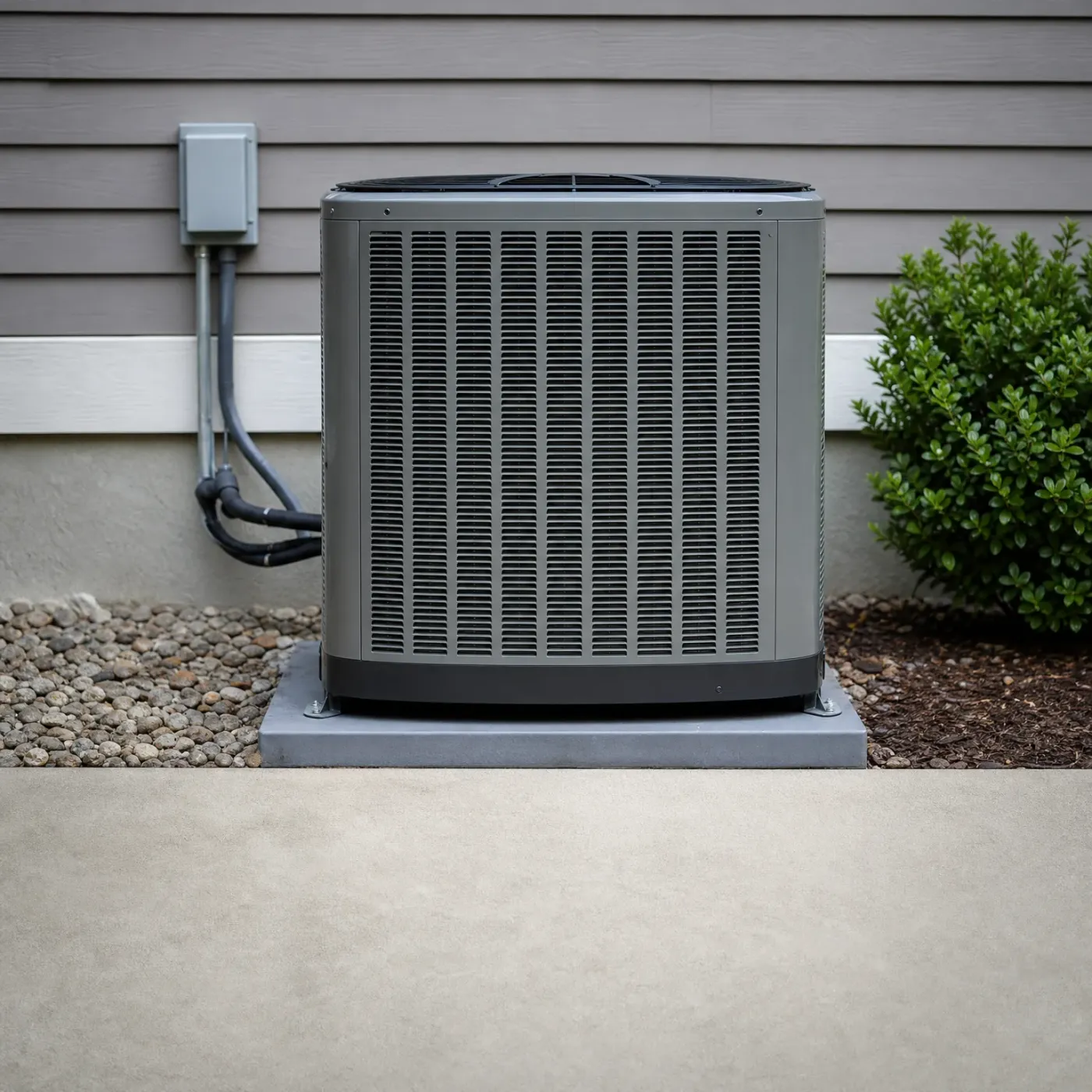
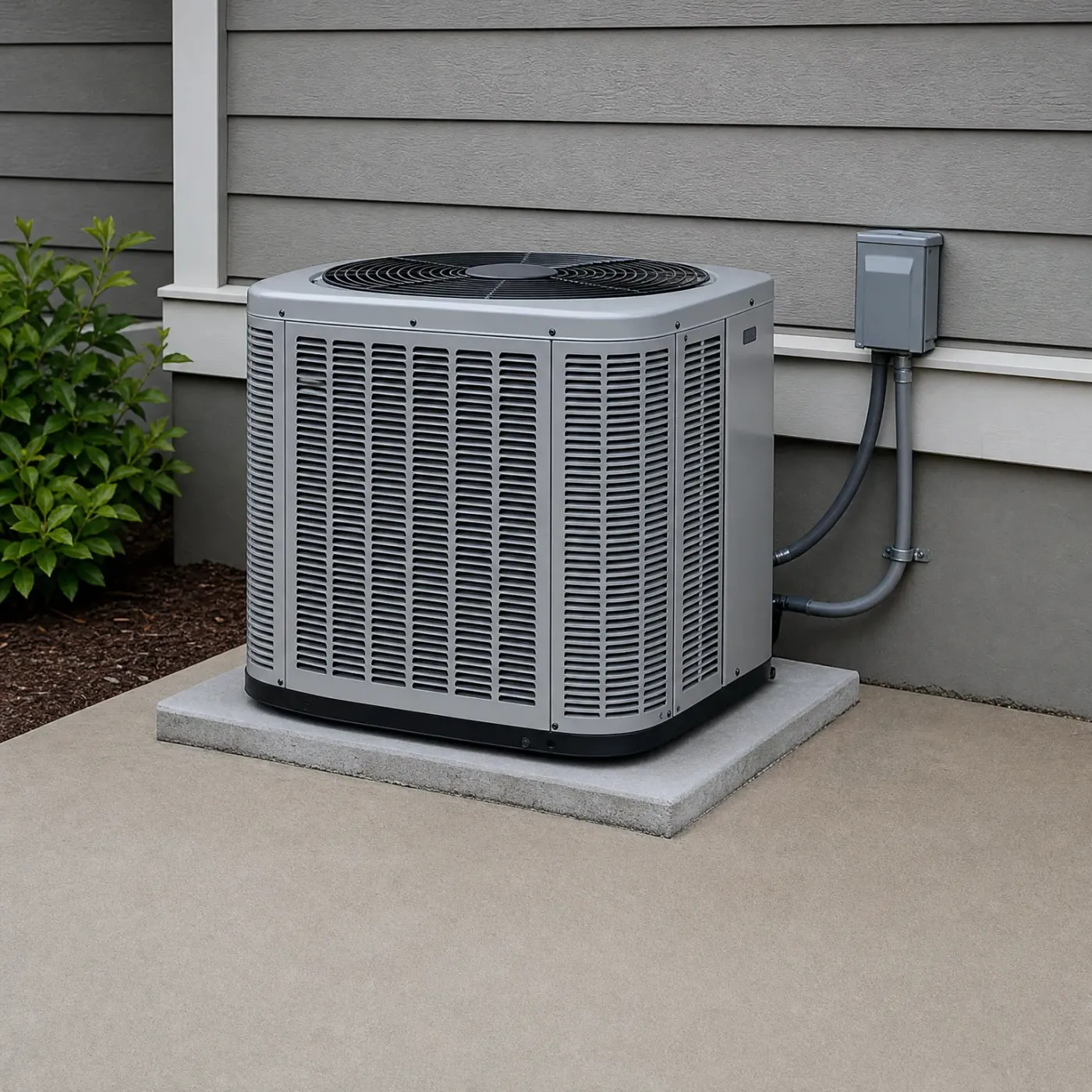
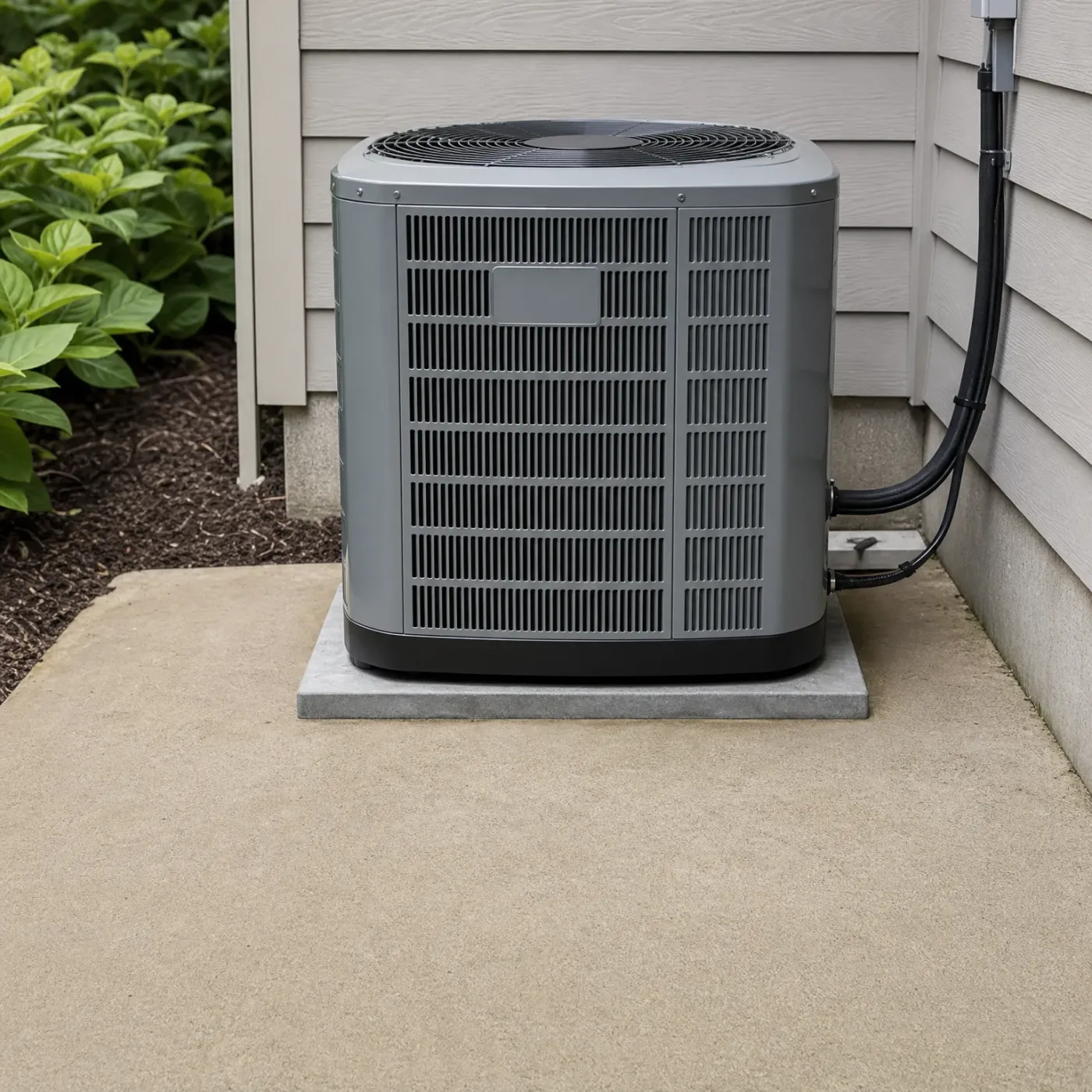
A gray outdoor condenser unit on a concrete pad beside a house with horizontal lap siding, with a metal disconnect box and refrigerant lines on the wall, river rock and mulch to the sides, and a green shrub at right.

Clean and clear

A heat pump with open fins and room around the cabinet pulls air through easily in both directions. In August that means steady cooling without the compressor straining. In January it means the unit can still pull heat from outside air without extra load.

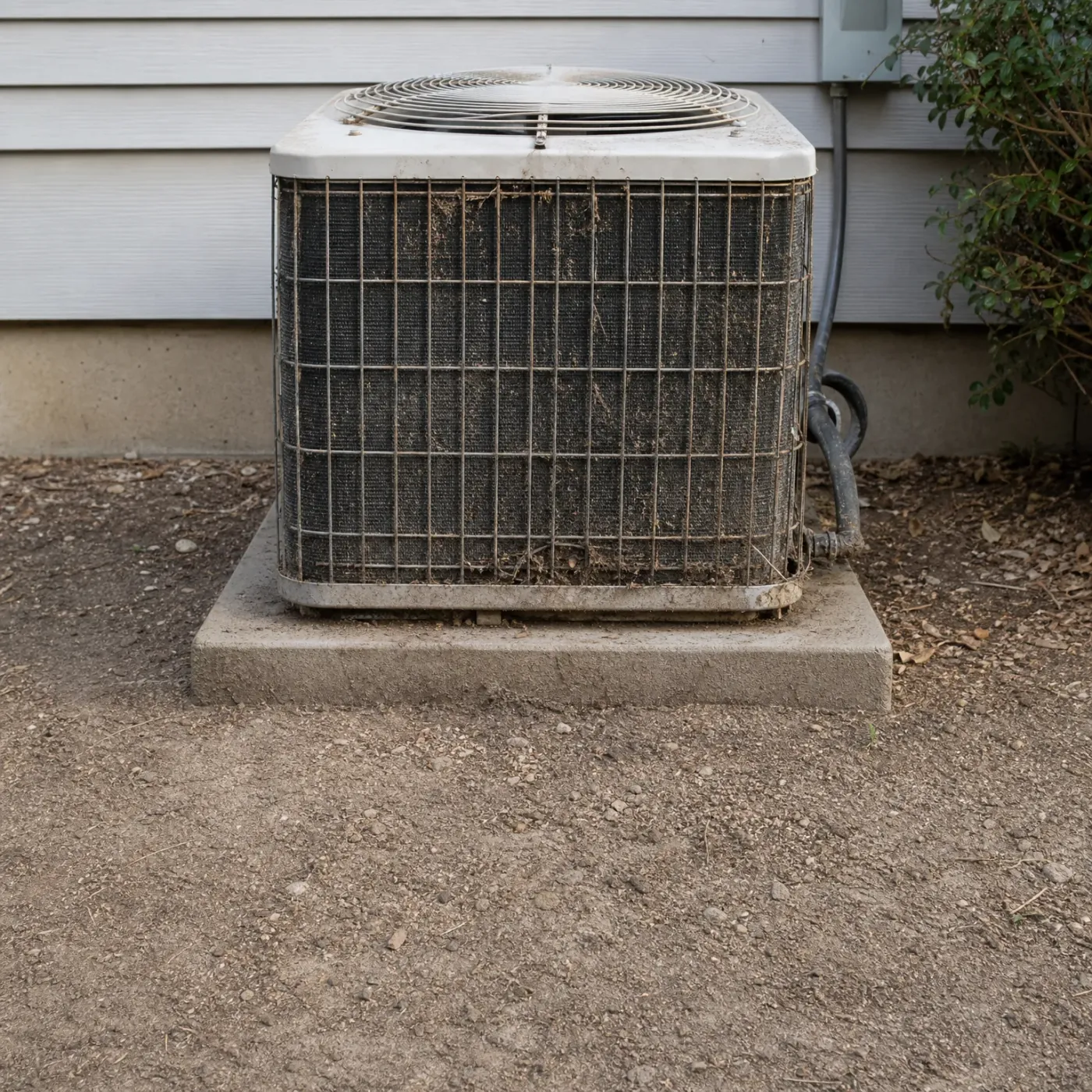
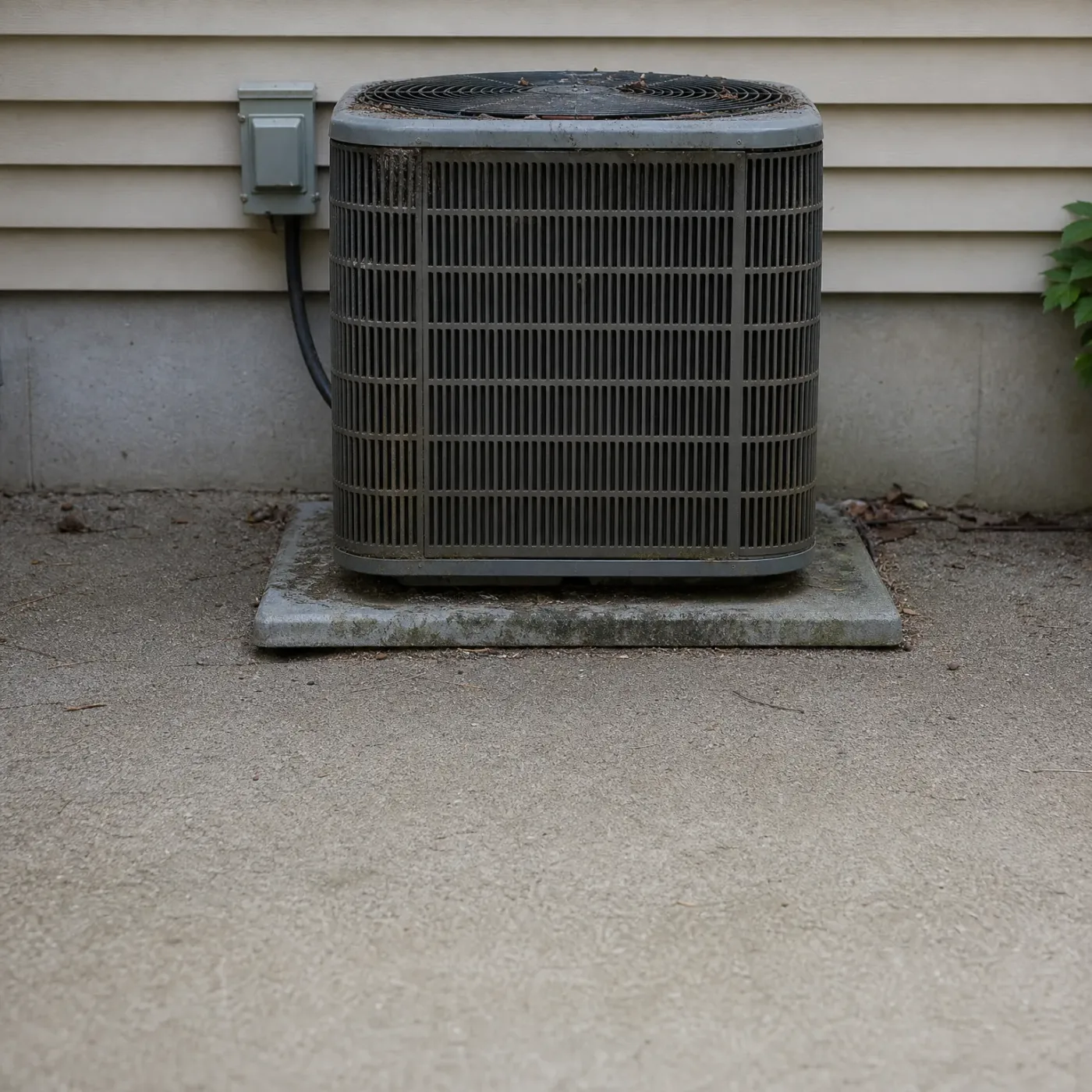
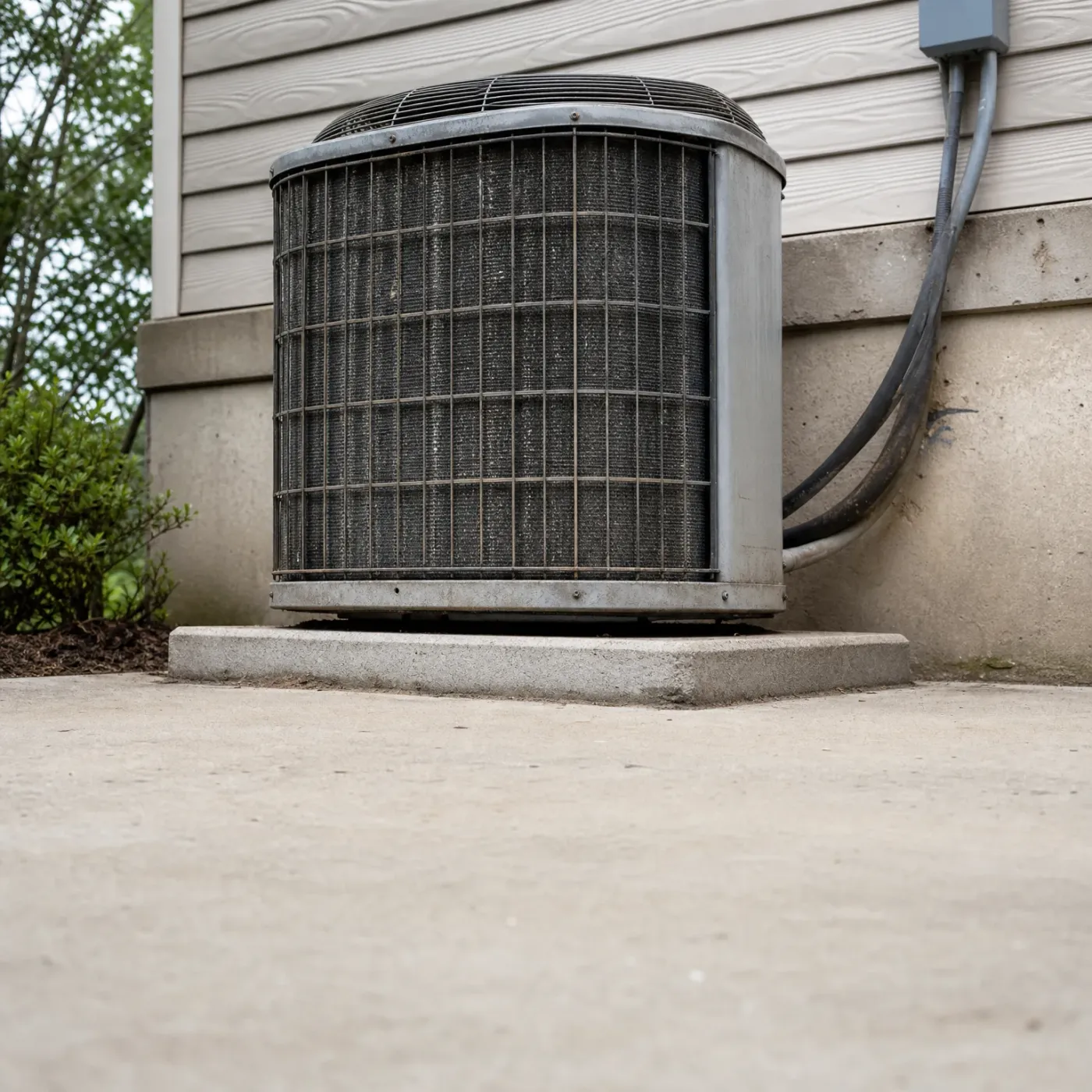
A dirty outdoor air conditioner condenser unit with debris on its coil grille, sitting on a concrete pad beside a light-colored horizontal siding wall, with bare dirt ground in front and a shrub at right.

Clogged and neglected

Dirt and leaves packed into the grille choke the airflow the unit depends on. It has to work harder to move the same air, and in a short Oklahoma winter that extra strain is the difference between a system that keeps up and one that can't.

Does your heat pump struggle on the coldest mornings?

You might notice the air coming from the vents feels cooler than usual on a cold snap morning, or the unit runs longer than it used to just to hold the thermostat setting. Some homes hear the outdoor unit humming almost nonstop when it dips toward freezing. If your gas furnace kicks on as backup more than it did last year, that is worth a second look too. None of this means you need a cold-climate model. More often it points to a dirty coil, a low charge, or a unit that is simply getting old. Left alone, a struggling heat pump means higher bills and a system working harder than it should for the comfort you're getting.

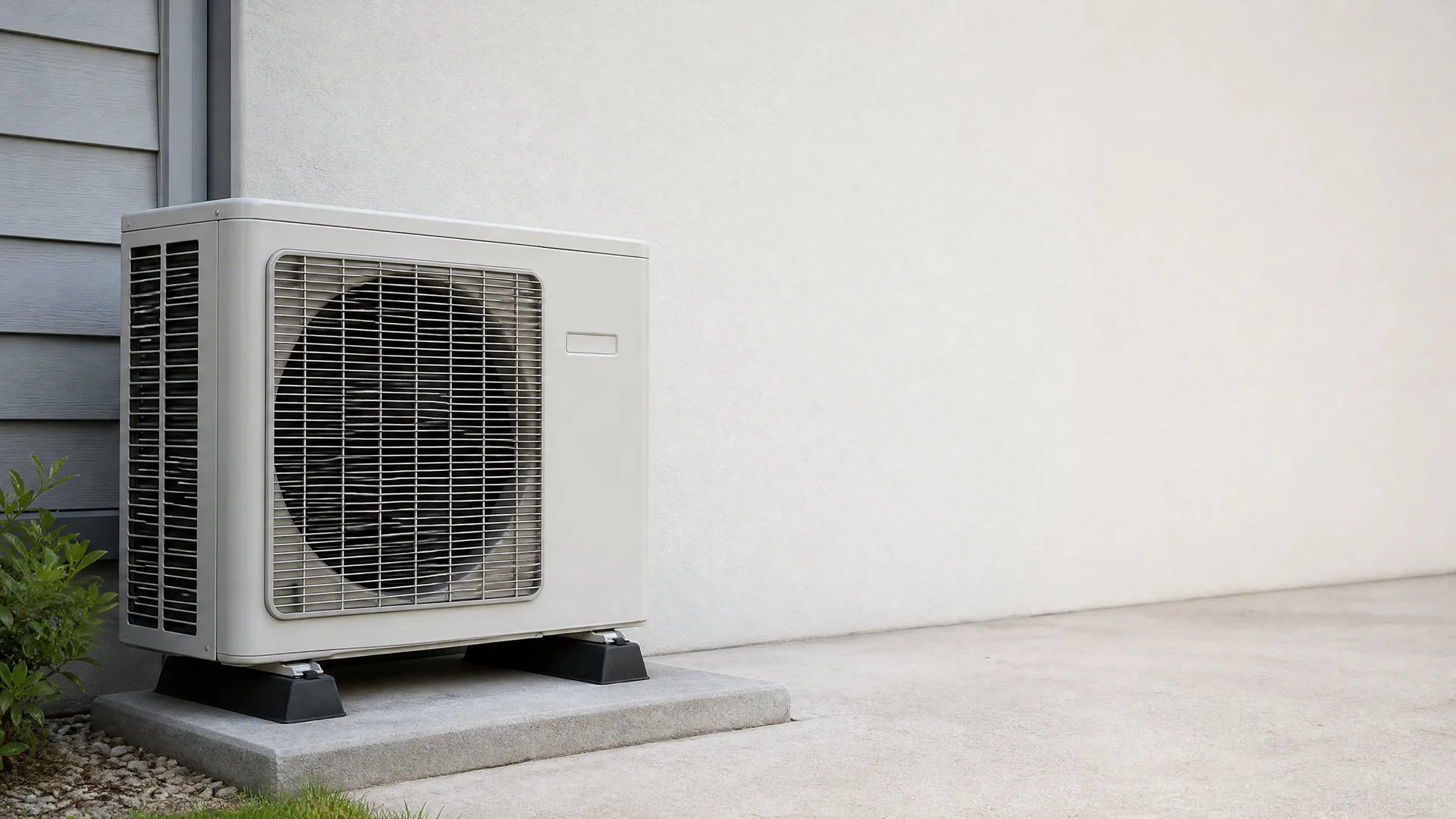
A white outdoor heat pump unit on rubber feet atop a concrete pad beside a light stucco wall, with gray siding and a small shrub at the left edge.

How a regular heat pump loses ground

A standard heat pump pulls heat out of outdoor air through a refrigerant coil. As the air outside gets colder, there is less heat in it to grab, and the unit has to run longer to move the same amount indoors. Most standard units start losing real capacity somewhere in the 30s. Oklahoma mornings get there some weeks in January, but not for long stretches, so the backup heat kicks in for a few hours rather than running for days.

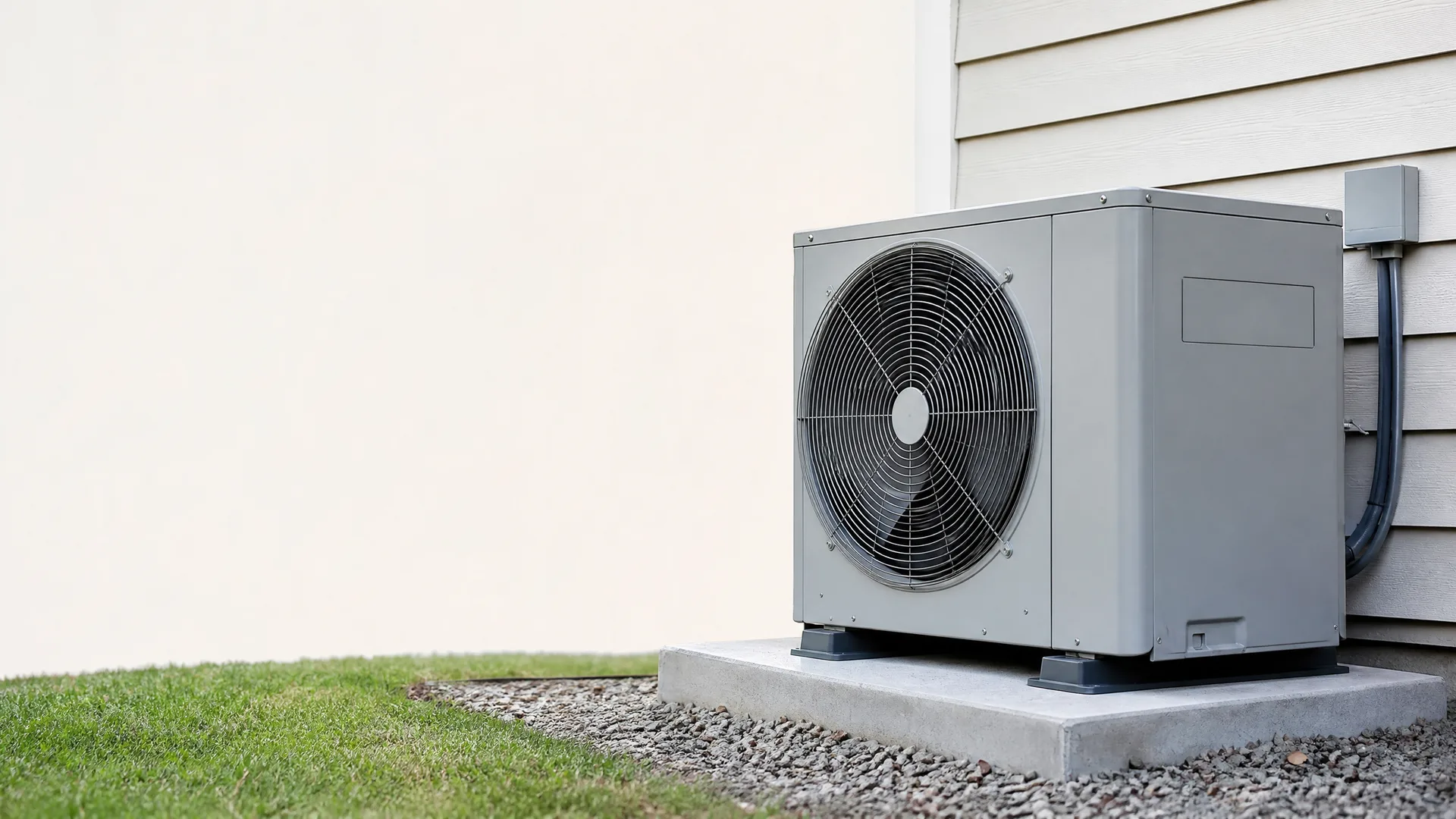
A gray outdoor heat pump unit with a large circular fan grille sits on a concrete pad beside a house with horizontal siding, surrounded by gravel and grass, with a conduit and junction box on the wall.

Where the extra cost pays back

A cold-climate heat pump uses a variable-speed compressor that can ramp up output when the air outside is thin on heat. That matters most somewhere the thermostat holds in the 20s or teens for days at a time, not just a cold snap. Oklahoma's gas furnace backup already covers those stretches cheaply, since gas rates here run low. The compressor upgrade costs more up front and earns that back fastest where outdoor temperatures stay low long enough for it to run constantly.

What temperature does a heat pump switch to backup heat?

You hear the outdoor unit kick off and the air at the vents loses its edge, so you want to know the number where the system gives up and switches over. Most homes here heat with gas furnaces backed by electric strips only in a heat pump setup, so this switch point matters for comfort and for what shows up on the power bill.

Most heat pumps switch to backup heat somewhere between 35 and 25 degrees

A thermostat or defrost control watches the outdoor temperature and the difference between the set point and the actual room temperature. When the heat pump alone can't close that gap fast enough, the system brings on backup heat, usually electric resistance strips, to make up the difference. The exact cutoff depends on how the installer set the thermostat, but 35 to 25 degrees is typical. Oklahoma winters dip into that range on plenty of nights, so a standard heat pump leans on backup heat more than it would in a milder climate, but less than it would somewhere that sits below freezing for weeks at a stretch.

A man in a gray sweater reclines in a brown leather armchair with his eyes closed, beside a wooden side table holding a mug, a folded newspaper and a potted plant, with a bookshelf and sunlit window behind him.
A man with greying hair and a dark sweater leans back on an armchair with his eyes closed and a slight smile, in a living room with a bookshelf, plant, folded newspaper and mug on a wooden table.
A man in a gray fleece jacket sits reclined in a leather chair with his eyes closed, in a room with bookshelves, a table lamp, a window, and a desk holding a folded newspaper and a dark mug.
A bearded man in a gray fleece pullover sits with eyes closed in a brown leather armchair in a living room, with a floor lamp, bookshelf, potted plants, a side table holding newspapers and a dark mug, and a bright window behind him.

Send one request and you're done looking

One installer gets your project, so there's no bidding war over it.

Sending the form costs nothing.

A gray outdoor condenser unit on a concrete pad beside a house with gray lap siding, connected by conduit and refrigerant lines to a wall-mounted disconnect box, with a green shrub and mulch bed at left.

Running fine

This is a regular heat pump doing what it should. The coils are clear, the fan moves air without strain, and the compressor cycles on and off instead of running flat out. On a mild Oklahoma morning, it holds the house at temperature without any help from backup heat.

An outdoor air conditioning or heat pump condenser unit on a concrete pad beside a house with horizontal vinyl siding, a gray electrical disconnect box and conduit on the wall, and a concrete walkway in the foreground.

Struggling in the cold

Dirt on the coil and years of wear make the unit work harder for the same result. On the coldest mornings here, that shows up as longer run times, weaker air at the vents, or the furnace kicking in sooner than it should. A cold-climate model would not fix this. The unit needs service, not an upgrade.

Power costs 13.21 cents per kilowatt-hour statewide

At 13.21 cents a kilowatt-hour, running a heat pump here costs less than it would in most states. That's the case whether you stick with a regular unit or pay more for a cold-climate one. The extra you'd spend upfront on cold-climate equipment takes a lot longer to earn back when the electricity behind it is already cheap.

EIA-861 2025 statewide residential average

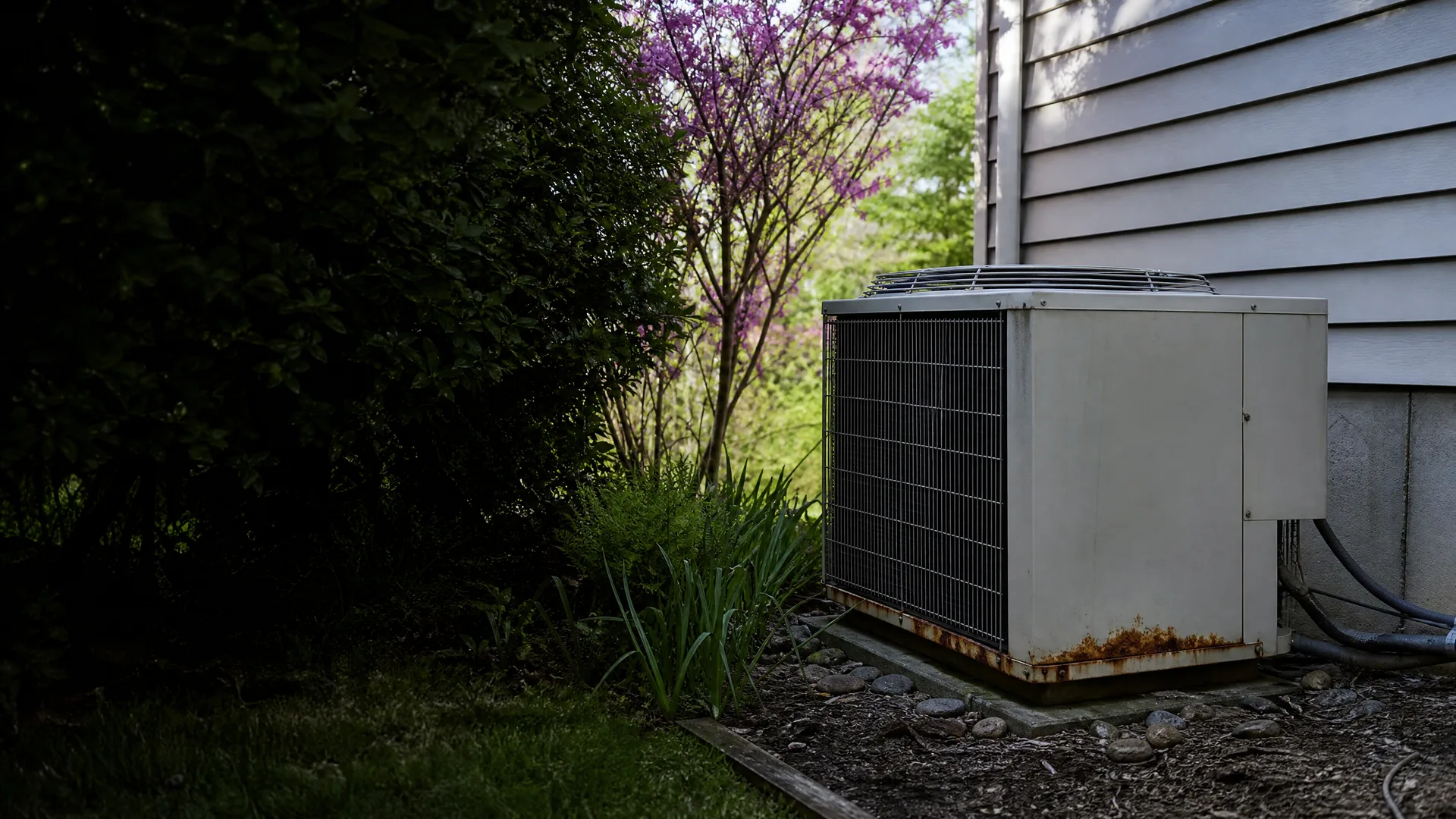
An outdoor air conditioning condenser unit with rust streaks sits on a concrete pad beside a light-colored lap-sided house, surrounded by shrubs, gravel and a flowering tree.

You walk out to the side yard to check on the unit before it gets hot later. It's one of those clear spring mornings, cool enough you notice your breath for a second, the kind of day the outdoor unit should barely be working. But you see the rust first, a line of it creeping along the base of the cabinet where it meets the pad. You crouch down and run a finger along the edge. The metal gives a little, soft in one spot near the corner. You think about the unit cycling on through last summer's heat and this past winter's cold snaps, carrying that rust the whole time, and wonder how much longer it's got before the cabinet itself is the problem, not just the parts inside it.


A gray outdoor air conditioner or heat pump unit on a concrete pad beside a house with horizontal lap siding, with conduit and refrigerant lines running up the wall and green shrubs and mulch at left.
A heat pump with a clean grille moves air freely and holds up through an Oklahoma summer without extra strain.
An outdoor air conditioning condenser unit on a concrete pad beside a house with horizontal siding and a concrete foundation, with refrigerant lines running to a wall-mounted disconnect box and shrubs at left.
A grille caked with dust forces the unit to work harder, and that wear shows up whether it's a standard or cold-climate model.

A Regular Heat Pump Does the Job

  • Oklahoma winters don't get cold enough long enough to justify a cold-climate heat pump's extra cost over a regular one.
  • A regular heat pump handles most winter days here on its own, with gas backup covering the few hard freezes.
  • Cheap power at 13.21 cents a kilowatt-hour keeps running costs low whether the unit is standard or cold-climate.
  • Rust, a dirty grille, or blocked fins will hurt either type of heat pump the same way, long before the cold-climate edge matters.
  • The equipment that earns its keep here is a well-installed, well-maintained regular heat pump, not the pricier cold-climate version.

Oklahoma doesn't ask enough of a heat pump in winter to justify paying more for a cold-climate model. The cold snaps that push a standard unit to its limit don't last long here, and gas backup picks up the difference on those mornings. The rest of the season, a regular heat pump holds the house at temperature on its own. Power here runs 13.21 cents a kilowatt-hour, cheap enough that the running cost gap between a standard and a cold-climate unit stays small no matter which one sits outside. What actually shortens a heat pump's life, in Oklahoma or anywhere, is rust working into the cabinet, a grille caked with dust, or fins bent shut so air can't move through the coil. Those problems slow a cold-climate unit down exactly like they slow a standard one. Paying extra for cold-climate equipment doesn't buy protection from any of that. What it buys is a lower switchover point on the coldest nights, a feature this climate rarely calls for. The equipment worth paying for here is a regular heat pump, installed correctly and kept clean, sized right for the house and backed by a gas furnace for the handful of hard-freeze mornings each winter. That combination costs less to install and does the same job a cold-climate system would do, because the difference between the two only shows up at temperatures Oklahoma winters don't hold onto for long.

A gray-haired man with a beard in a blue button-placket shirt reclines on a couch with his eyes closed, beside a sunlit window with a green plant.
A woman in a cream knit sweater sits in an armchair with her eyes closed near a window showing yellow autumn foliage, with a mug on a round wooden side table beside her.

Heat Pump Installation

Finding a pro stops being your job

Your request goes to one pro, not a list of companies.

A black-framed smartphone standing upright against a plain white background, its screen filled with solid green.
Step 1 of 3: Equipment