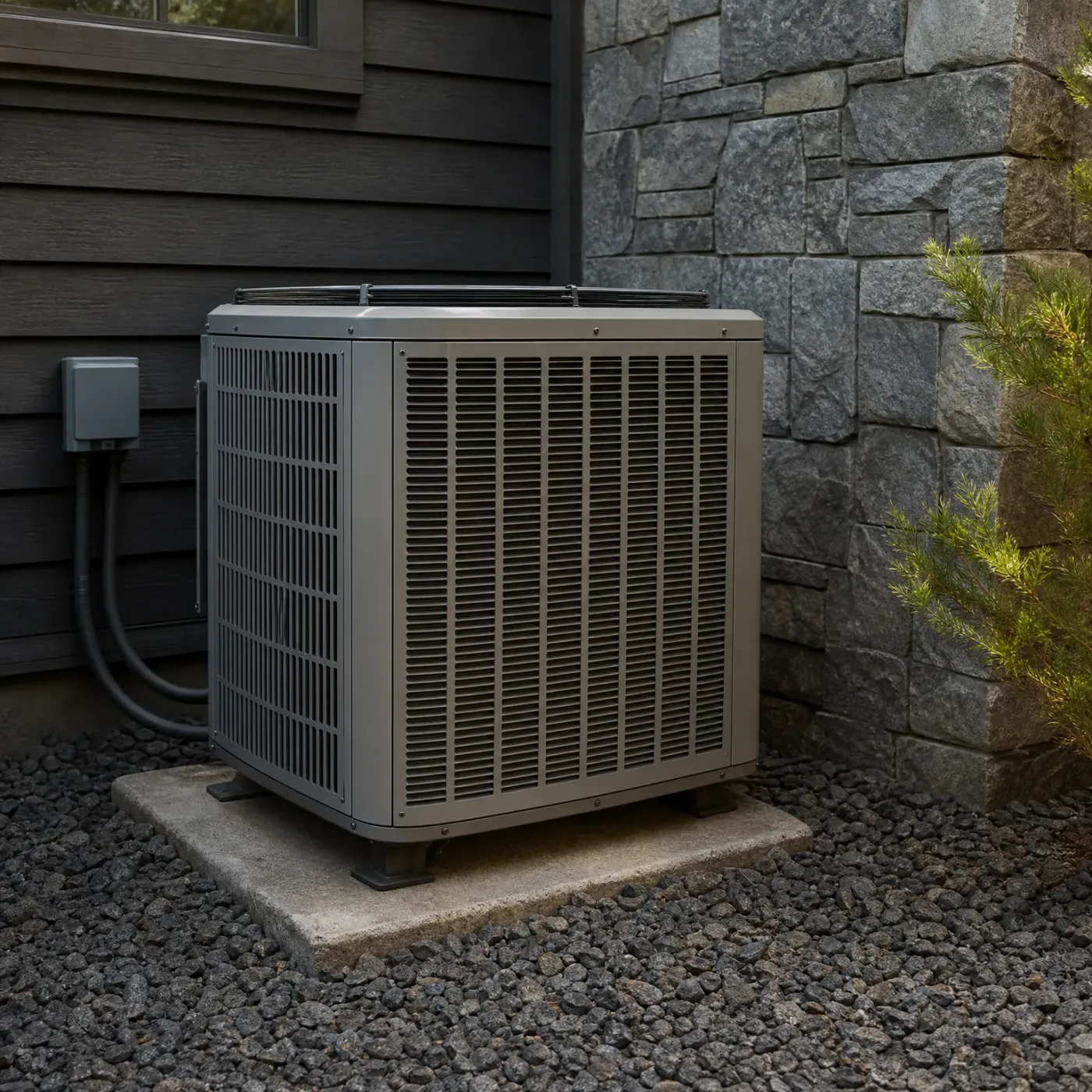
Running clean
This is a heat pump doing its job without a fight. The pad is clear, the fins are open, and air moves through the coil the way it was designed to. A unit set up like this holds its rated output through a full Oklahoma summer.
 Start one form
Skip collecting and comparing quotes for the new heat pump.
Cheap electricity changes the math on a heat pump, but it doesn't erase the other side of the question. Most houses around you heat with gas, and your summers get sticky enough that the cooling side of that heat pump earns its keep every year. The question is whether the heating side still makes sense when gas is the default and power costs less than it does almost anywhere else.
That answer depends on your specific setup, your rate, and what the unit outside is actually capable of once it gets cold. A heat pump sized and installed right for Oklahoma can still make sense here. One installed wrong, or sized for a different climate, won't, no matter what power costs.
Getting that answer usually means finding someone who installs heat pumps often enough to know how they perform once the temperature drops, not just how they're rated on paper. That usually means calling a few places, explaining your house and your current setup more than once, waiting on quotes that use different assumptions, and trying to compare them without knowing which contractor actually installs this equipment regularly in this state.
Submitting a request here skips that part. It goes to a licensed contractor working in Oklahoma, someone who installs and services heat pumps in homes like yours and has seen how they hold up against the kind of heat and cold this state actually gets. You're not fielding calls from five companies trying to win the job. You're talking to one, and they already know the climate they're working in before they walk through your door.
From there, the conversation is about your house specifically: what you have now, what a heat pump would need to do in your winters and summers, and whether the economics hold up on your bill. That's the part worth getting right before anything goes in the ground.
A heat pump still makes sense in Oklahoma even with cheap electricity, but it earns that place through your summers more than your winters. Cheap power lowers the cost of running one, but it doesn't change what the equipment does best. A heat pump cools your house the same way your air conditioner would, so on that side it's doing exactly what you'd want it to do anyway. On the heating side, most homes here already run on gas, so a heat pump isn't replacing a furnace that's struggling, it's usually paired with one or installed where electric heat was the only option. Where that's the case, cheap electricity makes the heat pump's backup heat or standalone operation less costly to run than it would be somewhere with expensive power. The honest answer is that it's worth it for the cooling on its own, and cheap power just makes the heating side less of a trade-off than it would otherwise be.


One installer gets your project, so there's no bidding war over it.
One form replaces the calls you'd make to find a heat pump pro.
There's no charge for the request.




A heat pump cools a house the same way a central air conditioner does, moving heat out of your home instead of making cold air. In the summer, that side of the system runs whether gas heats your house or not.
Where the heat pump changes the math is the switch gas furnaces can't make. On a mild day, it pulls heat from the outside air instead of burning gas, and cheap power is what makes that side worth having too.
At 13.21 cents per kilowatt-hour, running a heat pump's compressor through a sticky Oklahoma summer costs less here than in most states. That's the side of the system doing the real work. Heat it with gas, cool it with the heat pump, and the low rate keeps the cooling bill in check.
EIA-861 2025 statewide residential average
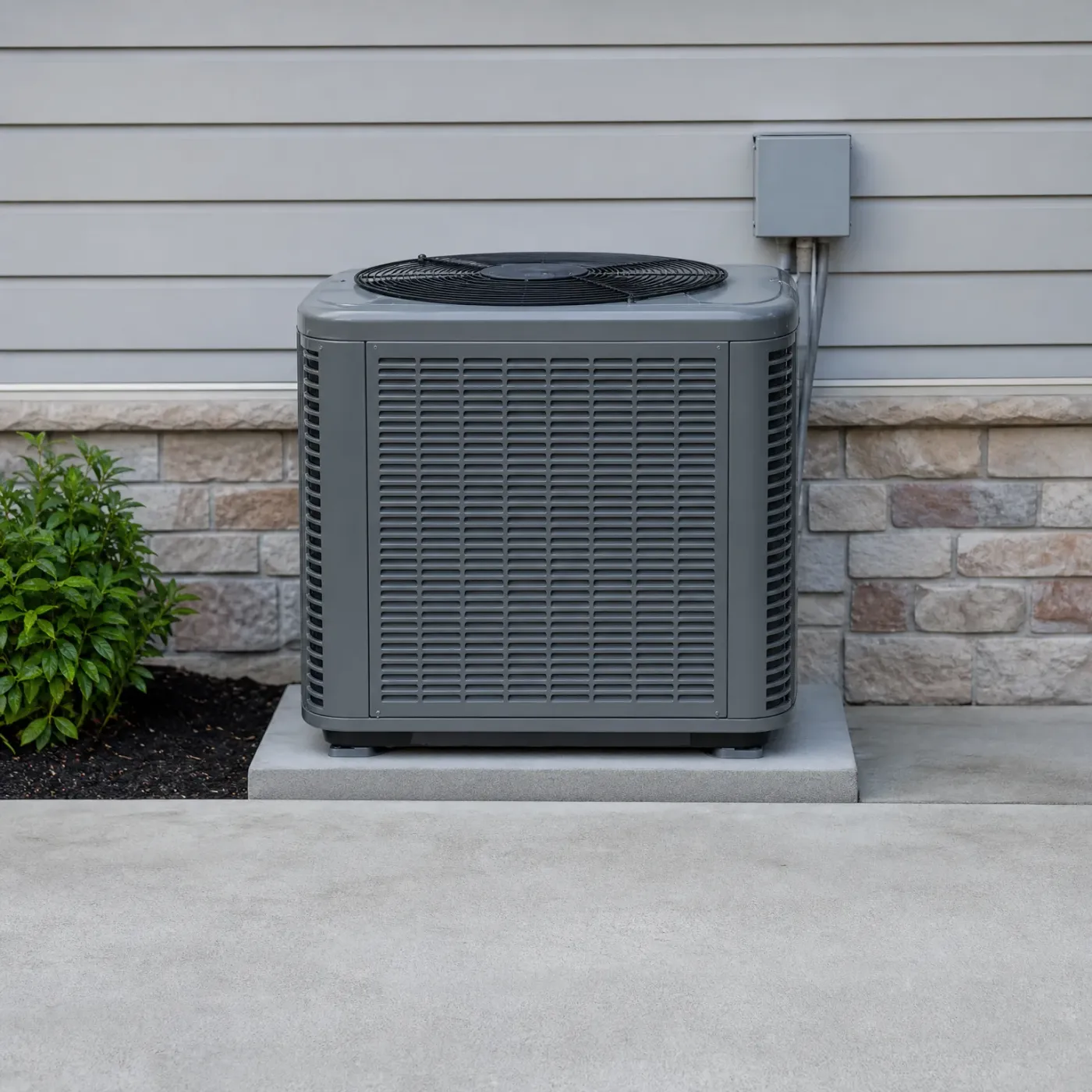
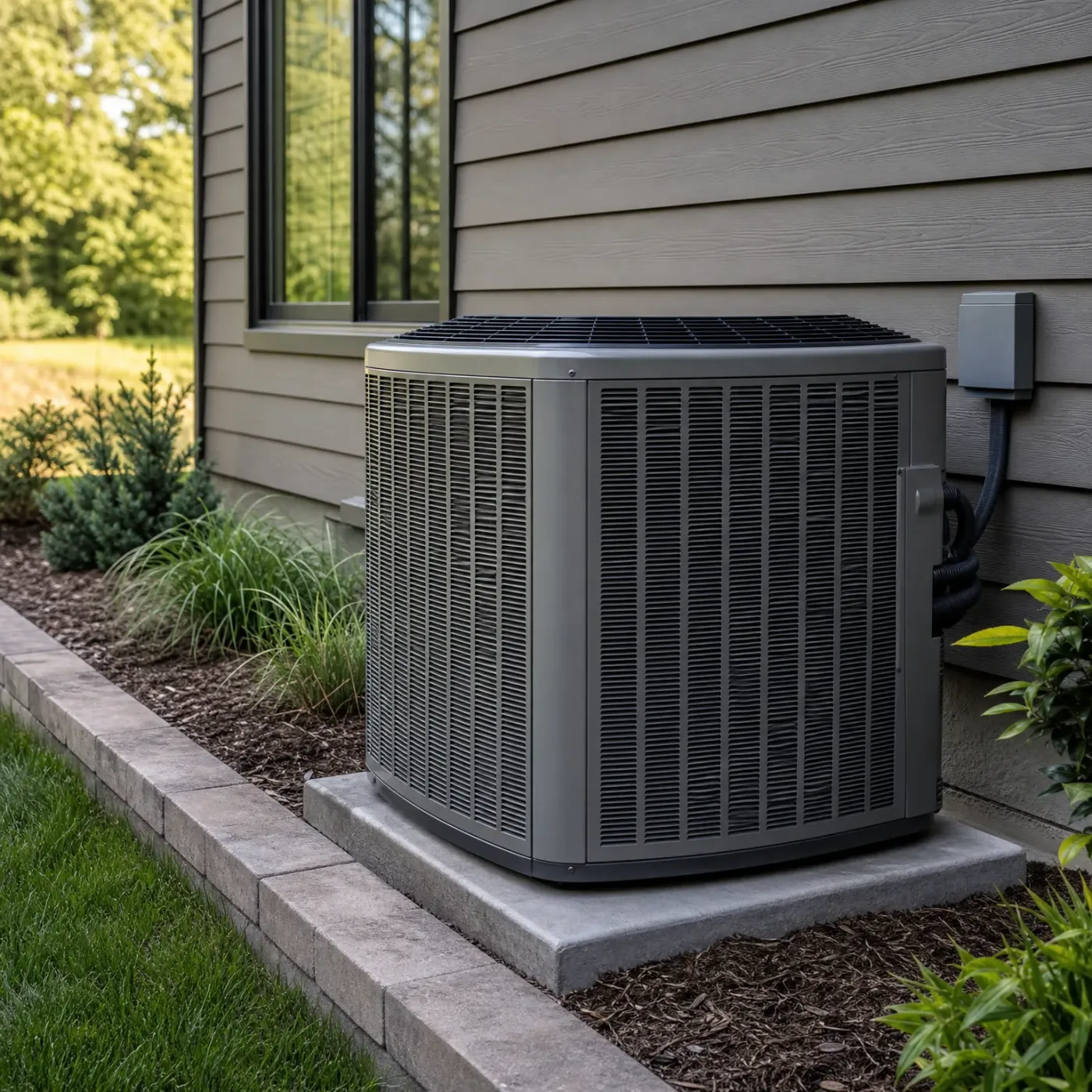
This is a heat pump doing its job without a fight. The pad is clear, the fins are open, and air moves through the coil the way it was designed to. A unit set up like this holds its rated output through a full Oklahoma summer.
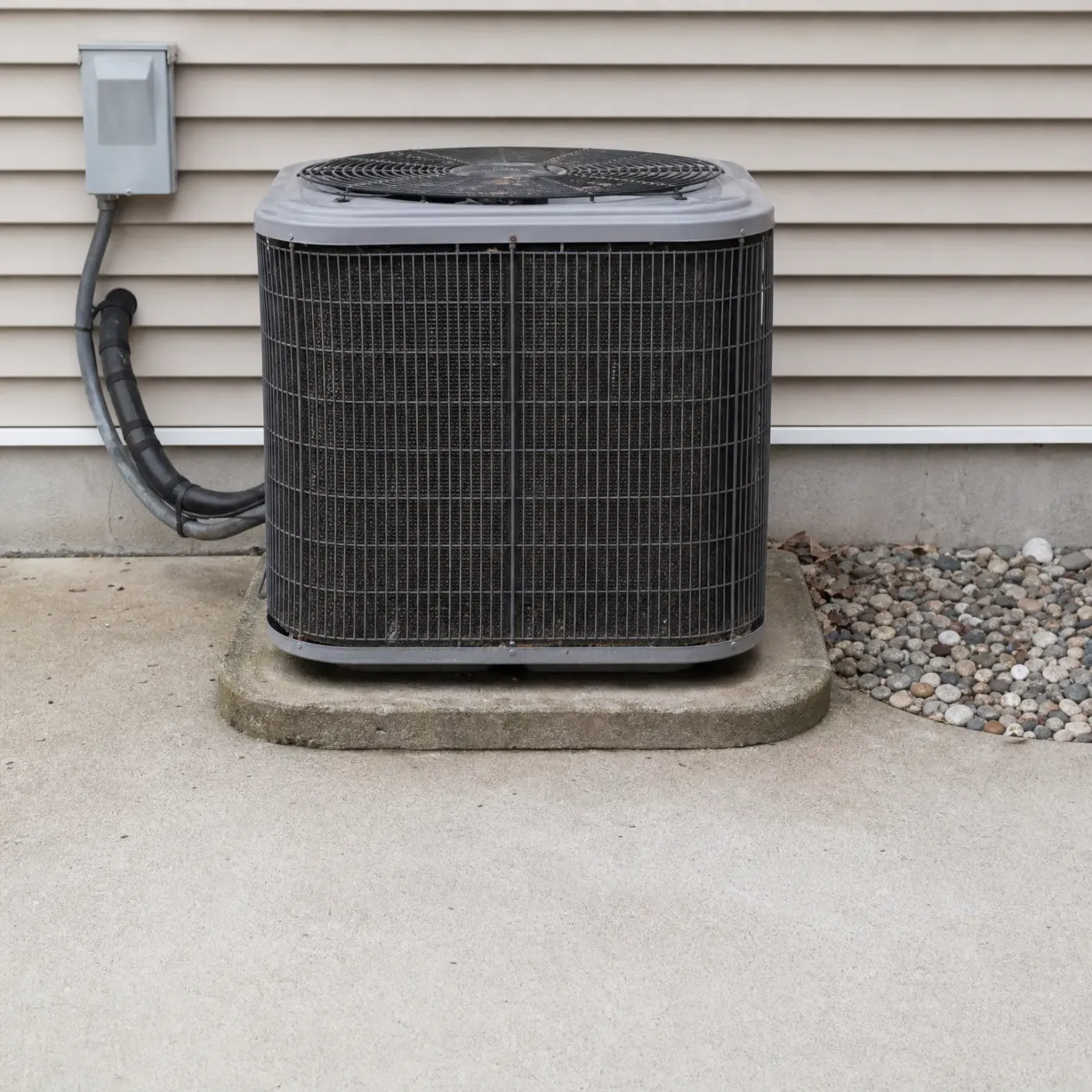
Caked fins block airflow before the compressor ever gets a fair shot at the heat. It has to run longer to move the same heat, and in a sticky July that difference shows up on the power bill and on the thermostat that won't quite catch up.

A heat pump in Oklahoma pays for itself in the summer months, running your air conditioning at a rate that's cheaper than most of the country pays. Gas still carries the heating load in most houses here, and that split works. What matters most is that the unit is sized right and installed clean, with the coil and airflow set up the way the equipment was designed to run.
That's the part worth getting right, and it's also the part most homeowners don't want to spend their weekend sorting out. Finding a contractor who actually knows heat pumps, not just furnaces or straight AC, calling around, explaining your setup two or three times, then sitting with a stack of quotes trying to tell them apart. Submit a request here and that search ends. You get matched with one licensed Oklahoma contractor who works on this equipment all season and knows what tends to go wrong with it, not a dozen calls competing for your business.


Describe it once