






Profile view of a bearded man wearing a black baseball cap and a dark gray T-shirt against a plain light background.

What auxiliary heat means on an Oklahoma heat pump

Step 1 of 3: Equipment

Auxiliary heat is the backup heat strip inside your air handler that kicks in when your heat pump alone can't keep up. You'll see "AUX" or "EM HEAT" light up on your thermostat when it's running. Your heat pump moves heat from the outside air, and that gets harder as the temperature outside drops. On the colder days you get here in Oklahoma, the outdoor unit can't pull enough heat on its own, so the system leans on electric strips to make up the difference. That's normal for a night or two. What's not normal is the aux light staying on for days when it's only in the 40s outside, or your heat pump running constantly without the house warming up. That usually points to a problem with the outdoor unit itself, low refrigerant, a failing defrost control, or a thermostat set wrong, not the weather. Since most homes here heat with gas furnaces backing up a heat pump, aux heat running often can also mean the switchover between the two isn't working right.

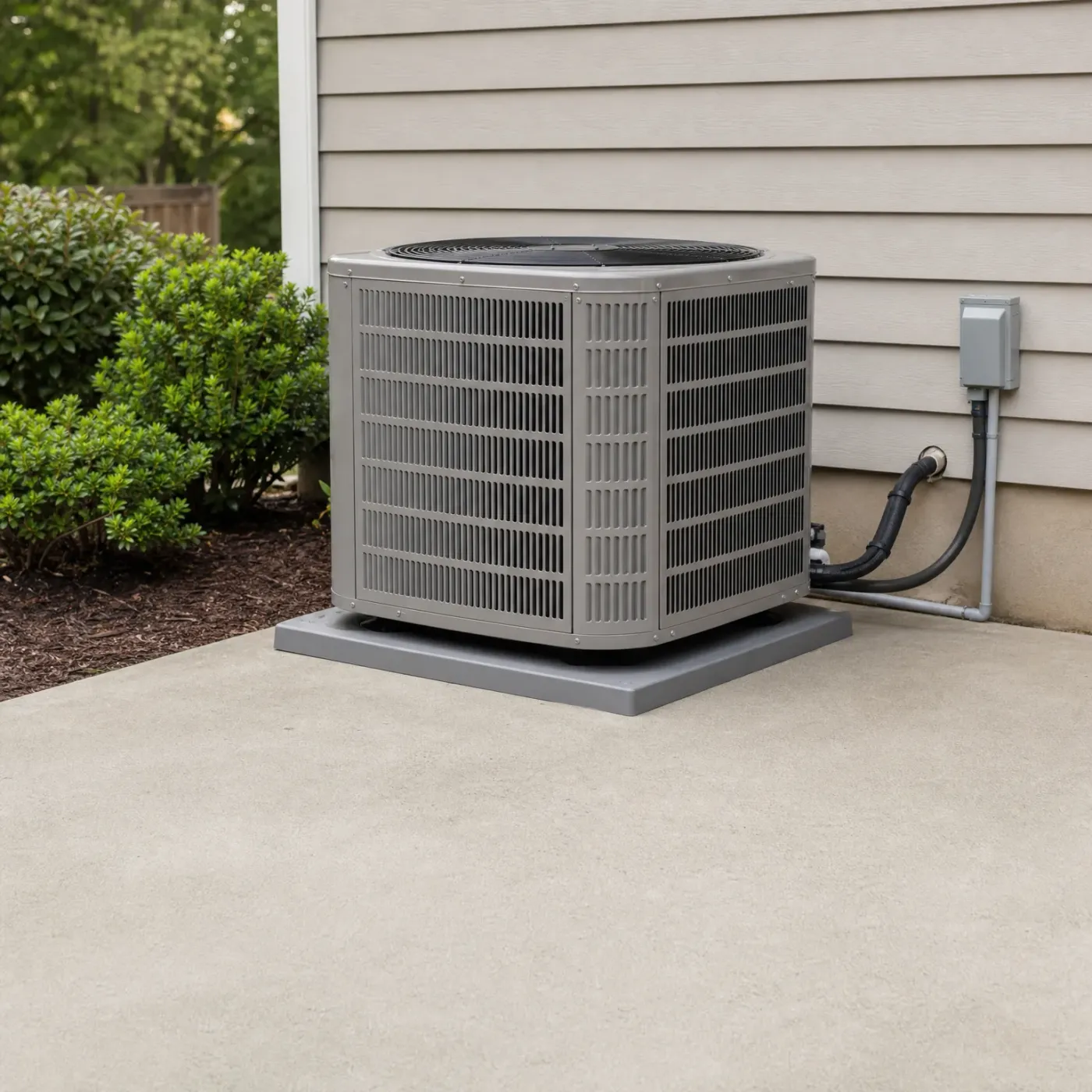
A gray outdoor condenser unit on a raised pad beside a house with horizontal lap siding, with refrigerant lines, conduit and an electrical disconnect box on the wall, and shrubs on a mulch bed to the left.
Aux kicks on for a few minutes on a cold morning, then shuts off once the house catches up.
A weathered gray outdoor condenser unit on a concrete pad beside a house with horizontal vinyl siding, with conduit, refrigerant lines, and an electrical disconnect box on the wall behind it.
The thermostat shows AUX for hours at a time and the heat strips are carrying the whole load.
A woman in a gray turtleneck sweater stands by a window looking outside at snowy ground, with a dimly lit living room containing a sofa, shelves, lamp and a lit candle behind her.
A woman in a cream cable-knit turtleneck sweater stands in a warmly lit living room with a fireplace and shelves behind her, looking out a window toward snow-covered trees and a railed deck.
A woman in a cream knit turtleneck sweater stands by a window looking out at snow, with a lit fireplace, sofa and lamp in the room behind her.
A woman in a gray knit sweater sits by a window looking out at falling snow, with a dimly lit living room containing a sectional sofa, pillows, a lamp and houseplants behind her.

Normal Aux Use vs. Stuck on Aux

Normal aux use

  • Temperatures dropped into the 20s overnight and your heat pump can't pull enough heat from air that cold on its own.
  • You just bumped the thermostat up several degrees and aux is helping close that gap faster.
  • The outdoor unit is finishing a defrost cycle, and aux covers the house for those few minutes.
  • AUX clicks off once the house reaches the set temperature and doesn't come back until conditions call for it again.
  • This is the system working the way it was designed to, and it costs more to run than the heat pump alone.

Stuck on aux

  • AUX or EM HEAT stays lit for hours even when it's not that cold outside.
  • The heat pump's outdoor fan isn't running, or the unit is iced over and never defrosting.
  • Your electric bill has jumped well beyond what a cold snap would explain.
  • The air coming out of the vents feels warm but the house never quite catches up.
  • A refrigerant leak or a failed component can stop the heat pump from carrying its share, leaving the strips to do all the work.
  • If this is happening in Oklahoma, where most homes have gas heat and electricity isn't the cheap option for warming a whole house, the bill shows it fast.
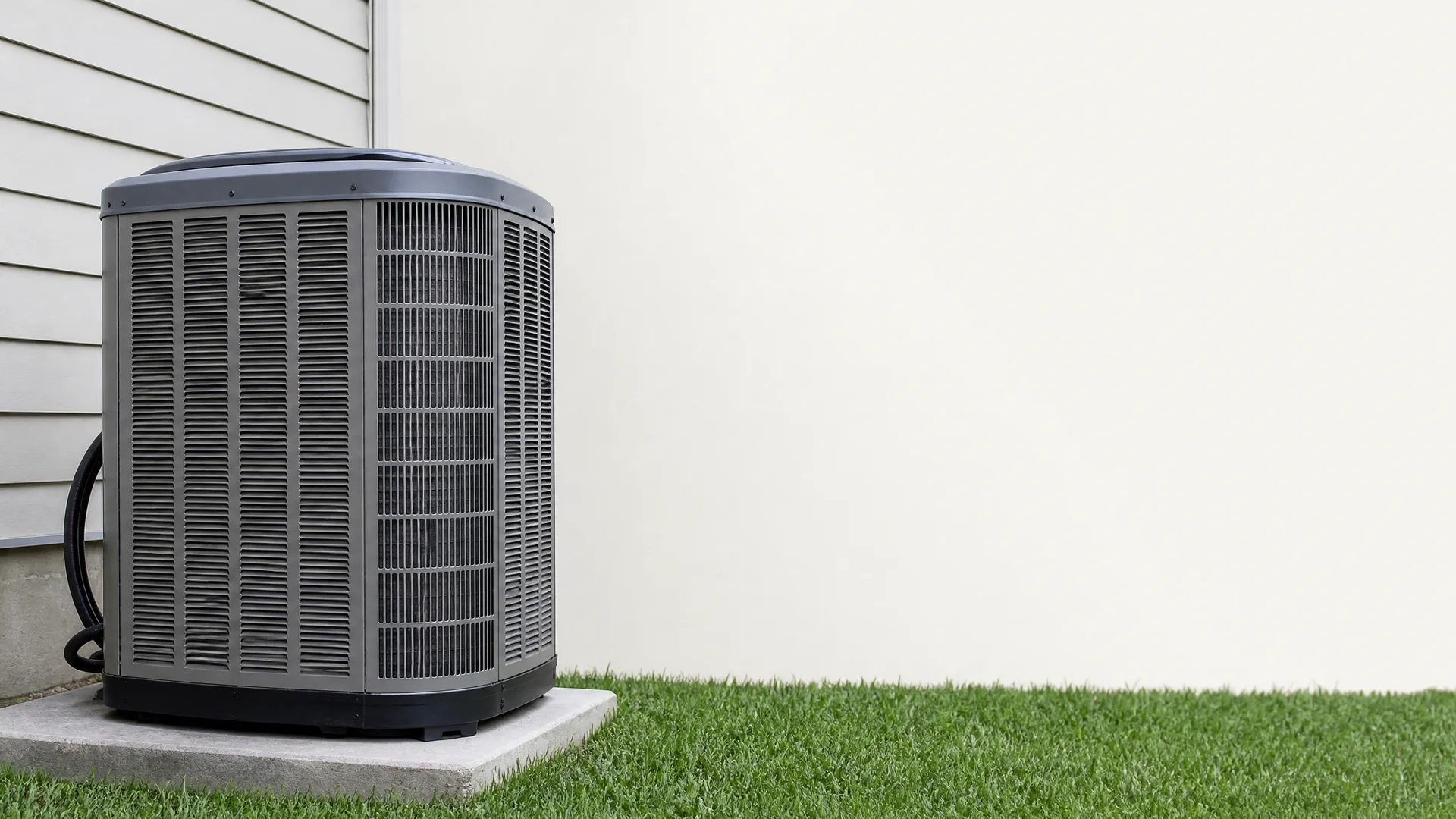
A gray outdoor air conditioning condenser unit on a concrete pad beside a house with horizontal siding, next to a green lawn and a plain light-colored wall.

Why the heat strips cost more

Your heat pump moves heat instead of making it, so it runs cheap even in the cold. Heat strips work like a toaster. They burn electricity straight into heat with no trick to stretch it further. Power in Oklahoma is cheap, which keeps a few minutes of aux here and there off your radar. Run it for hours and that adds up fast, because you're paying for every bit of that heat directly instead of getting the free heat your heat pump pulls from the outside air.

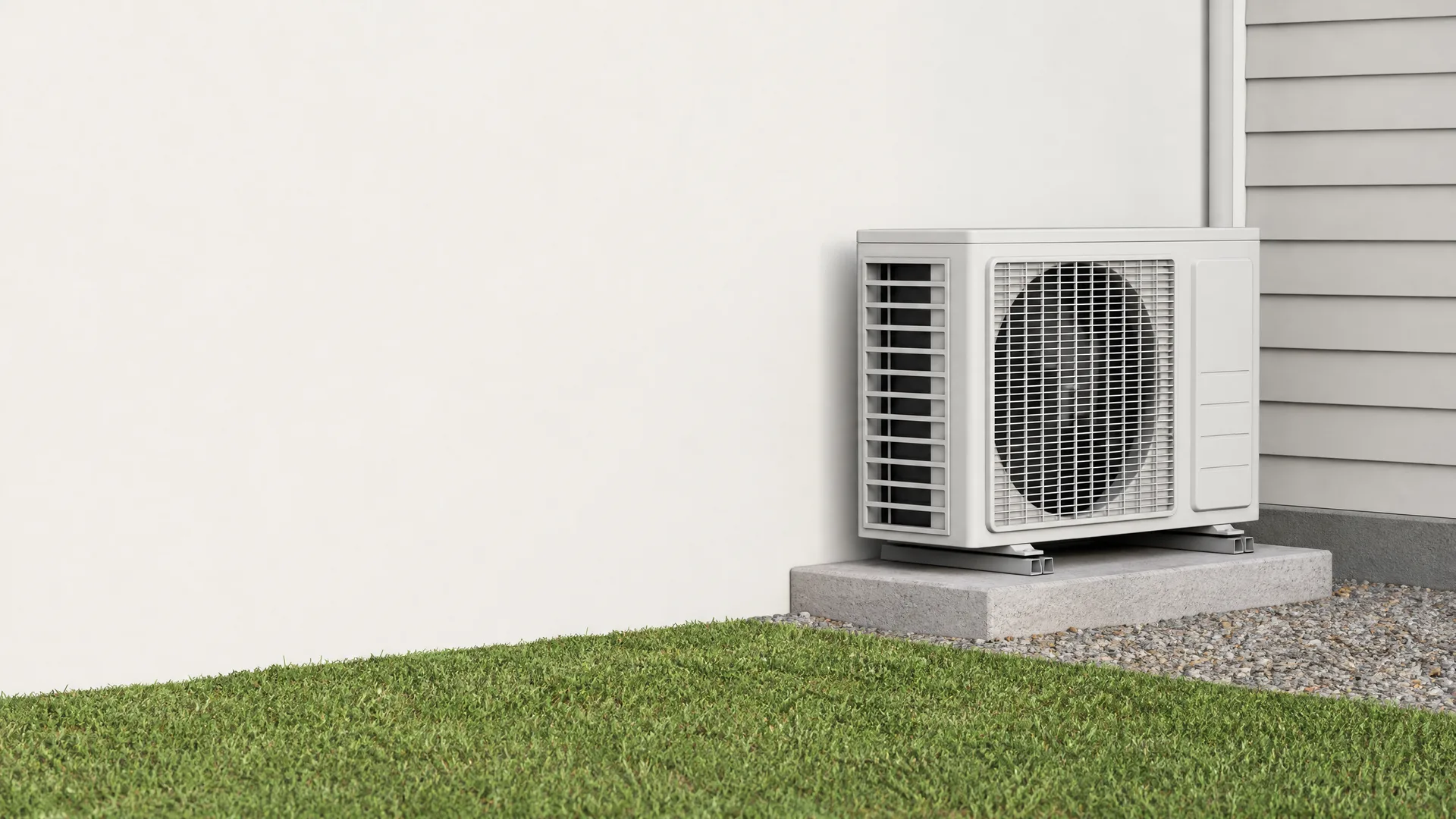
A white outdoor heat pump unit on a concrete pad beside a plain light wall, with gravel and mowed grass in front.

What a stuck relay looks like

The aux light is controlled by a relay in the air handler, and that relay can fail stuck closed. When it does, the heat strips run nonstop whether the thermostat calls for them or not, even on a mild afternoon in the 50s. You'll notice the furnace closet warmer than usual or a power bill that jumps with no cold snap to explain it. A contractor who works on heat pumps all winter can test that relay in minutes and tell you if it's the part at fault.

A woman in a cream cardigan and jeans stands with one hand raised facing an open front door of a gray horizontal-siding house, with a black lantern wall light, a potted shrub with yellow flowers, and a stone-faced porch column.

What aux heat running too much means for your house

Most houses in Oklahoma heat with gas, so a heat pump running the show is already a little different setup than your neighbor's furnace. If aux is kicking on for a few minutes during a cold snap, that's the system doing what it's built to do. If the thermostat says AUX most of the morning, or your bill jumps and you can't point to why, something is making your heat pump work harder than it should. A dirty outdoor coil, a low refrigerant charge, a stuck reversing valve, or a thermostat set wrong for the system can all push a heat pump into leaning on the strips when it shouldn't need to.

That's worth catching early, not because aux heat will damage anything by running, but because whatever is forcing it to run probably won't fix itself. A local contractor who works on heat pumps all winter can look at what your specific system is doing and tell you whether the aux use you're seeing is normal for how cold it's been or a sign something upstream needs attention. Getting matched with one contractor means someone local looks at your actual setup instead of you guessing from a thermostat screen.

A living room corner with a beige upholstered armchair holding navy and striped cushions, a small round wooden side table with a carved bowl and a potted green plant, a framed landscape picture on a pale wall, built-in shelving, and a curtained window.
A bearded man in a plaid flannel shirt stands in a kitchen looking out a window toward snow-covered shrubs, with a steaming mug on the windowsill and potted plants on a shelf behind him.
A smiling man with dark curly hair in a navy t-shirt sits on a gray couch indoors, with a large-leafed plant and a window in the background.

A pro who works on heat pumps

If aux is running for hours instead of minutes, or the outdoor unit isn't doing its share even on a mild day, something in the system has stopped pulling its weight. That could be a refrigerant leak, a failing reversing valve, a defrost control that's stuck, or a heat pump that was never sized right for your house to begin with. Figuring out which one it is means someone actually looking at the outdoor unit and the air handler together, not guessing from the thermostat. A contractor who works on heat pumps in Oklahoma every winter has seen this exact complaint plenty of times, because so few houses here run one and most techs are used to troubleshooting a gas furnace instead. Getting matched with someone local who knows this equipment, rather than whoever picks up first, means the person looking at your system already knows where heat pumps in this climate tend to fail. That's worth more than a quick guess over the phone.

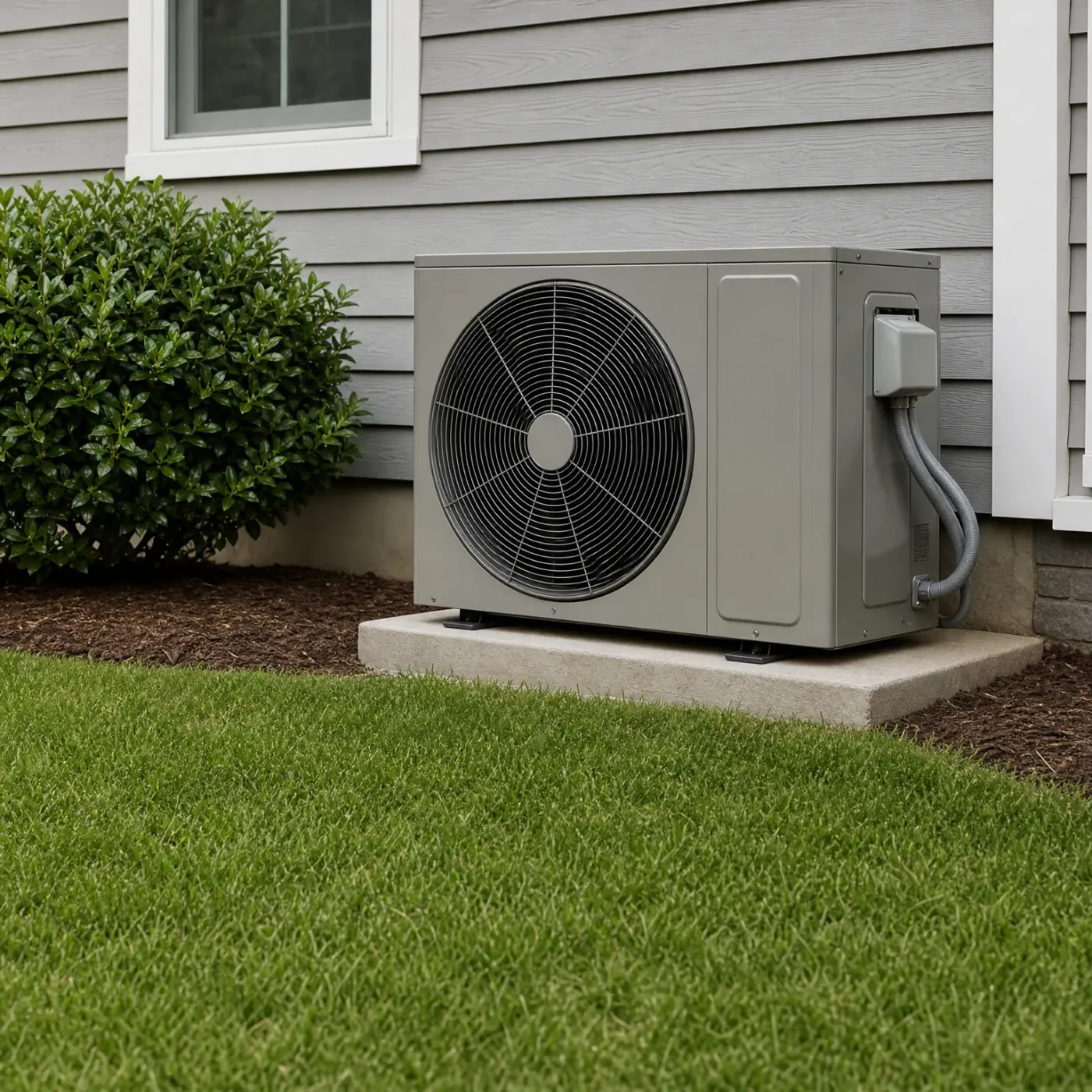
A gray outdoor heat pump unit with a large fan grille sits on a concrete pad beside a house with horizontal lap siding, next to a green shrub, mulch bed, and lawn.

The outdoor unit doing its job

A heat pump that's pulling its weight looks like this sitting outside: clean coil fins, clear airflow around the cabinet, nothing blocking it. It can grab heat from the outside air and send it in, so aux only has to step in for a few cold minutes.
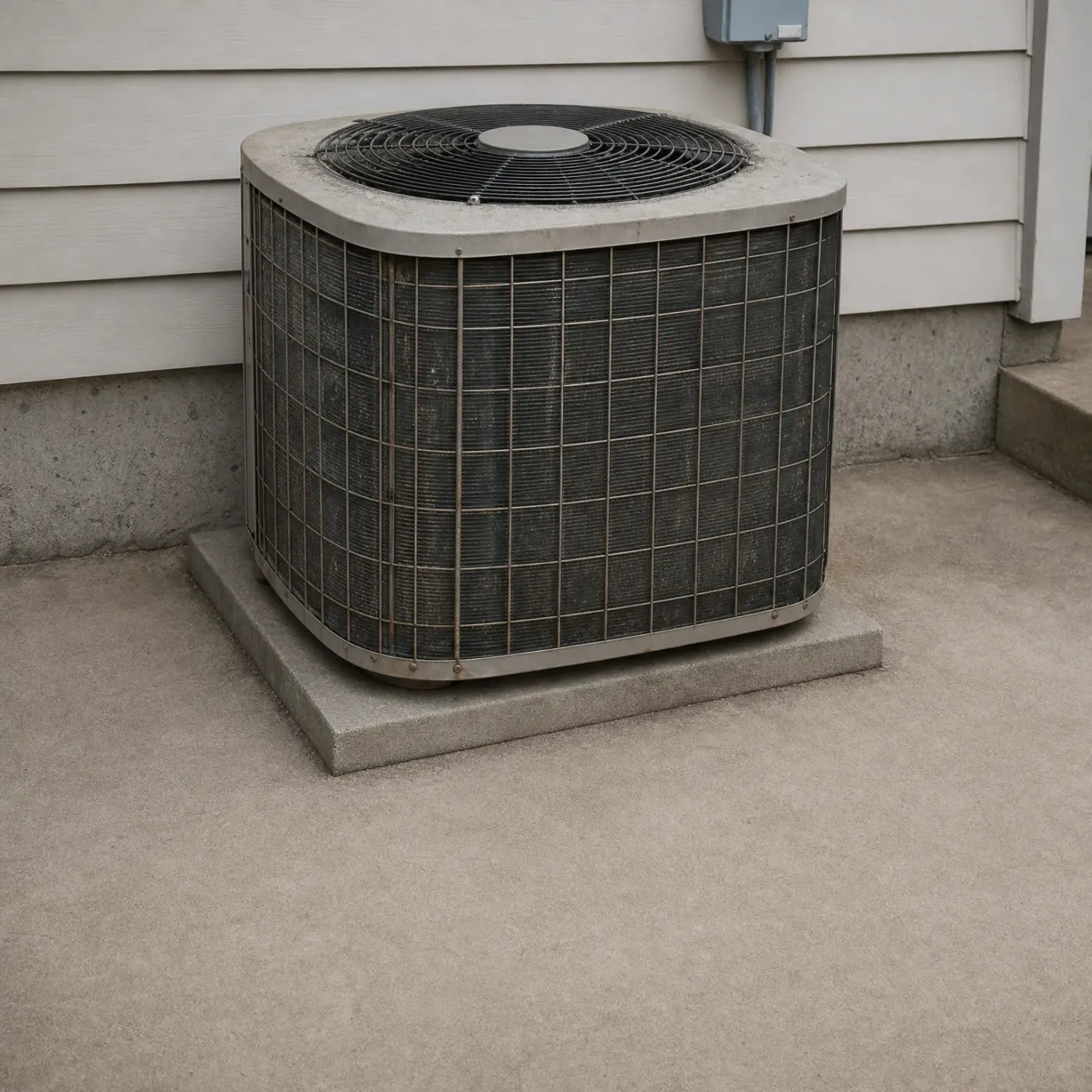
An outdoor air conditioning condenser unit with a top fan grille sits on a concrete pad beside a house with horizontal siding and a concrete step.

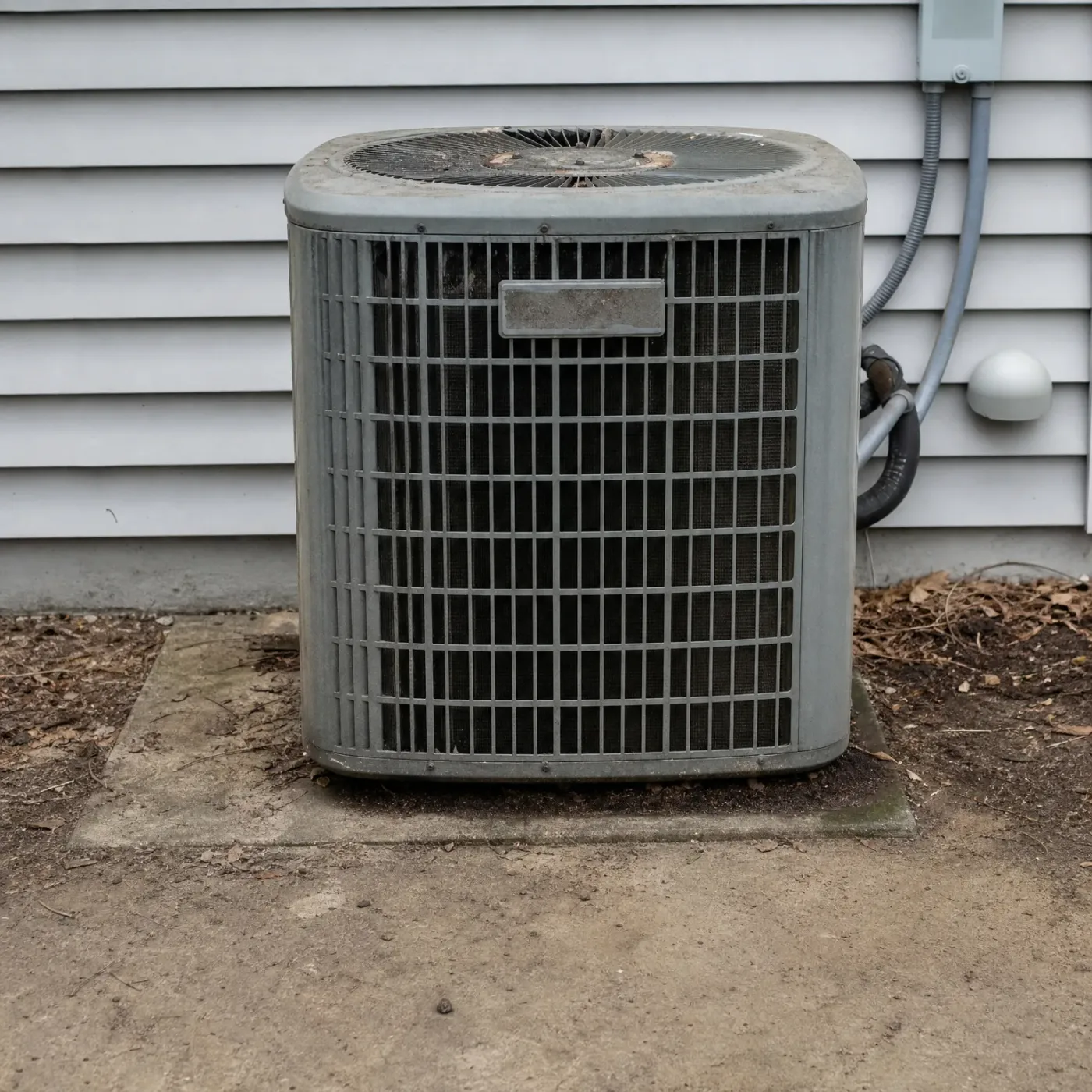
A coil that can't pull heat anymore

Dust and debris packed into the fins like this cuts off the unit's contact with the outside air. It can't move much heat even when the weather isn't that cold, so aux ends up carrying more of the load than it should, for longer than it should.

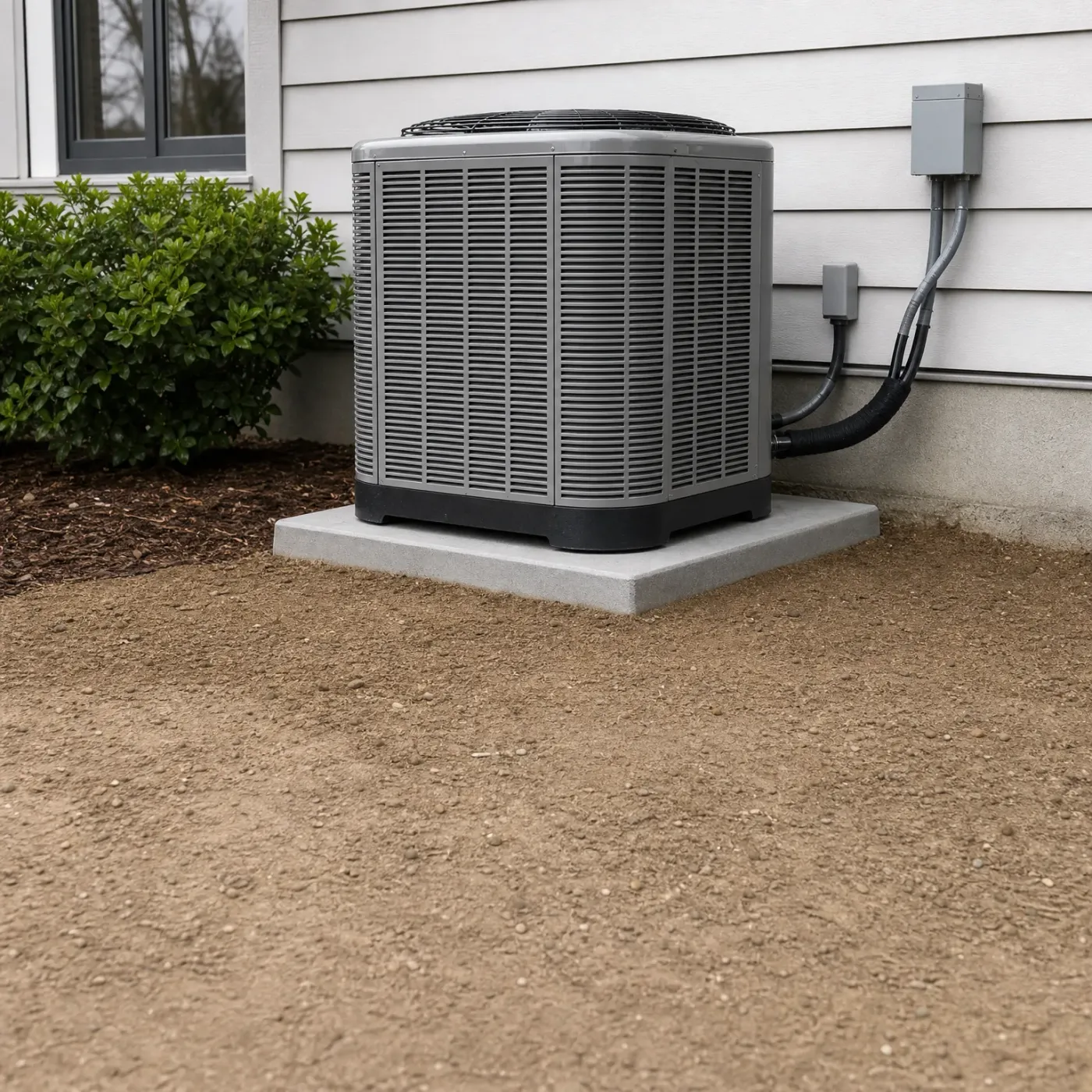
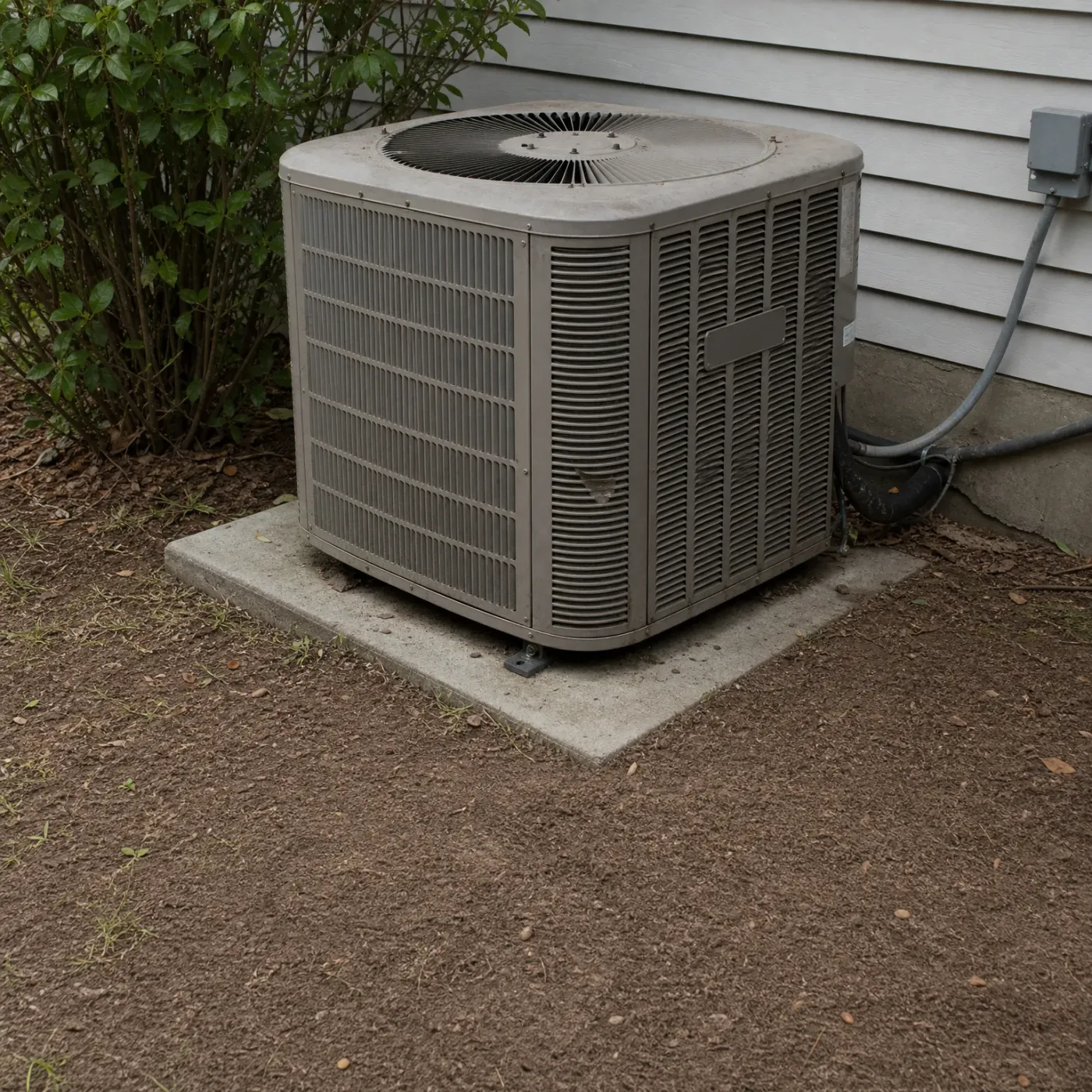
An outdoor air conditioner condenser unit on a concrete pad beside a house with horizontal lap siding, with a shrub to the left, bare dirt in front, and conduit and a metal disconnect box on the wall.
Before you get your heat pump repair
A gray outdoor condenser unit on a concrete pad beside a white horizontal-siding house, with refrigerant lines and conduit running to a wall-mounted disconnect box, bare soil in front and a green shrub at left.
After you get your heat pump repair

Why does my thermostat switch to EM HEAT instead of AUX?

You noticed the thermostat switched itself over to EM HEAT, not AUX, and you're not sure if that happened on its own or if you did it. It matters because the two settings don't do the same thing to your system or your bill, and you want to know which one you're actually running before it costs you.

EM HEAT means the heat pump is off and the strips are doing all the work

AUX and EM HEAT both run the same heat strips, but they're not the same thing. AUX runs alongside your heat pump, helping it along. EM HEAT shuts the heat pump off entirely and leaves the strips to heat the house by themselves. Most thermostats won't switch to EM HEAT on their own. Someone has to set it that way, often by hand, sometimes by mistake after a filter change or a thermostat reset. The outdoor unit not running on a cold day usually means EM HEAT got turned on, not that aux is doing its normal job. Since the strips use power with no help from the heat pump, running on EM HEAT for days instead of hours is going to show up on your power bill.

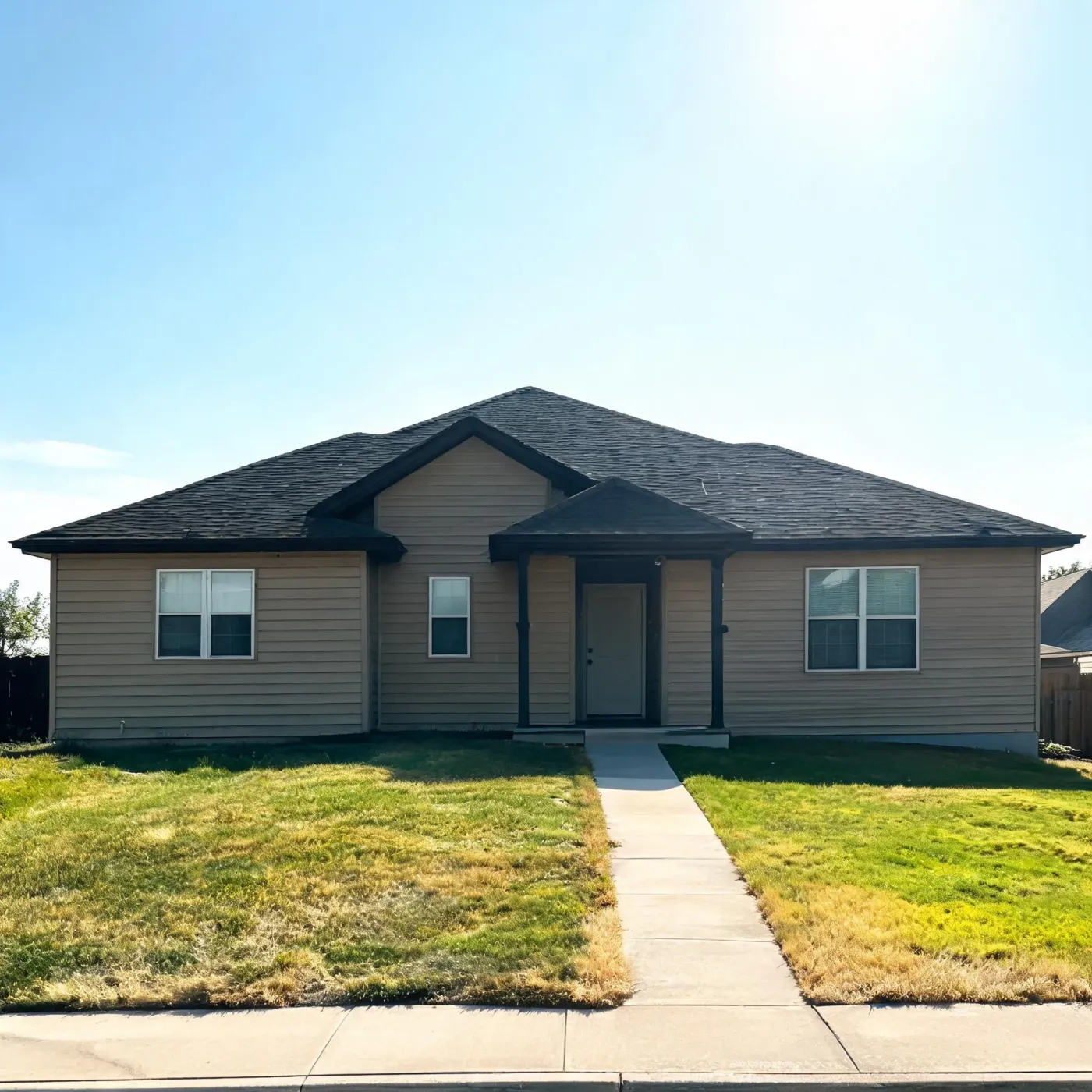
Single-story house with tan horizontal siding and a dark shingled hip roof, fronted by a patchy green and brown lawn and a concrete walkway leading to the covered entry.

Summer here isn't just hot, it's heavy. Dew points average 66°F across June, July and August, according to NOAA climate data for Oklahoma. That's the kind of air that sits on your chest, and it's also the air your heat pump has to wring moisture out of every time it runs the AC side. Humid air holds more heat, so the system works longer to pull it down to temperature. None of this touches aux heat directly, since that only runs in winter, but it's the same outdoor unit doing the work both seasons. A coil that's been straining all summer against that thick air goes into winter already worn, and that's often when aux starts picking up slack it shouldn't have to.

NASA POWER T2MDEW county cells weighted by homes

Why is your electric bill higher this month?

If your January or February bill jumped well past what you paid your gas-heating neighbors, aux heat is probably why. You might not have noticed anything wrong in the house itself. The air coming out of the vents still feels warm, the thermostat still hits its number, and nothing sounds different. That's the catch with aux heat: it doesn't announce itself with a noise or a smell, it just runs up the meter. If you pull up your thermostat's run-time history and see AUX logged for most of the cold stretch, that's the heat strips doing work your heat pump should be doing on its own. Left alone, that's not a safety problem. It's just a bill that keeps surprising you every time it gets cold.

  1. Your thermostat calls for heat and signals the heat pump first.

  2. The outdoor unit pulls heat from the outside air.

  3. A reversing valve sends that heat inside through the coil.

  4. If the house can't catch up, the thermostat calls for aux.

Power costs 13.21 cents per kilowatt-hour statewide

At 13.21 cents per kilowatt-hour, a heat pump running on its outdoor unit stays cheap to run even in a cold snap. Heat strips burn straight through that same rate with nothing to stretch it, so every hour aux carries the load instead of the outdoor unit shows up on your bill at full price.

EIA-861 2025 statewide residential average

What Your Thermostat Is Telling You

  • Aux heat running a few minutes on a cold morning is your heat pump working the way it's supposed to.
  • Aux or EM HEAT staying lit for hours, or the outdoor unit sitting idle on a mild day, points to something that needs a repair.
  • A local contractor who services heat pumps all winter has likely seen the same reversing valve or defrost control problem on another Oklahoma house this season.
  • Getting matched with one licensed contractor means one visit to sort out what your thermostat is telling you, not a string of calls to field.
  • Catching this now keeps your electric bill from carrying a load your heat pump was built to handle itself.

Aux heat by itself isn't a problem. It's a few minutes of help on a cold morning while your outdoor unit catches up, then it shuts off and leaves the work to the heat pump. That's the system doing what it was designed to do. The problem shows up when aux or EM HEAT stays lit for hours, or when the outdoor unit sits there doing nothing on a day that isn't even that cold. That's not your heat pump pacing itself. That's a reversing valve, a defrost control, or a refrigerant charge that's stopped holding up its end, and the heat strips are quietly covering for it at full electric cost.

A contractor who works on heat pumps through an Oklahoma winter has seen this before, often more than once this season, because the same few parts tend to fail the same way across different houses. That's the kind of problem worth catching early rather than living with it through February. Getting matched means one licensed, local contractor looks at your thermostat and your outdoor unit, not three or four companies working the phones for your business. One visit, one person who already knows what usually goes wrong on this equipment in this climate. The sooner the outdoor unit is pulling its share again, the sooner aux goes back to being the occasional few minutes it was built for, instead of the thing quietly running your heat and your bill.

Interior room corner with sunlight from a window, showing peeling paint and damaged plaster on the wall above a white baseboard, a wooden cabinet with a pale bowl on top, hardwood floor and a patterned rug.
Interior corner of a room with tan walls, white profiled baseboard and window trim, a wood-plank floor in sunlight, and green foliage visible through the window.
An empty room corner with cream walls, white baseboard, two windows with deep sills showing green foliage outside, and a wood plank floor lit by sunlight.
Empty room corner with beige walls, white beadboard wainscoting, chair rail and baseboard, a window with green foliage outside, and sunlight casting leaf shadows on the wall above a wood floor.
Sunlit room corner with a multi-pane window, beige walls, white baseboard, wood floor with a woven rug, and a dark wooden cabinet holding a ceramic table lamp below a framed picture.

Get your heat pump to the right pro

The pro who reaches out is licensed in Oklahoma.

Find a local pro

No charge to send it. You decide if you hire them.