






OK Heat Pump Finder
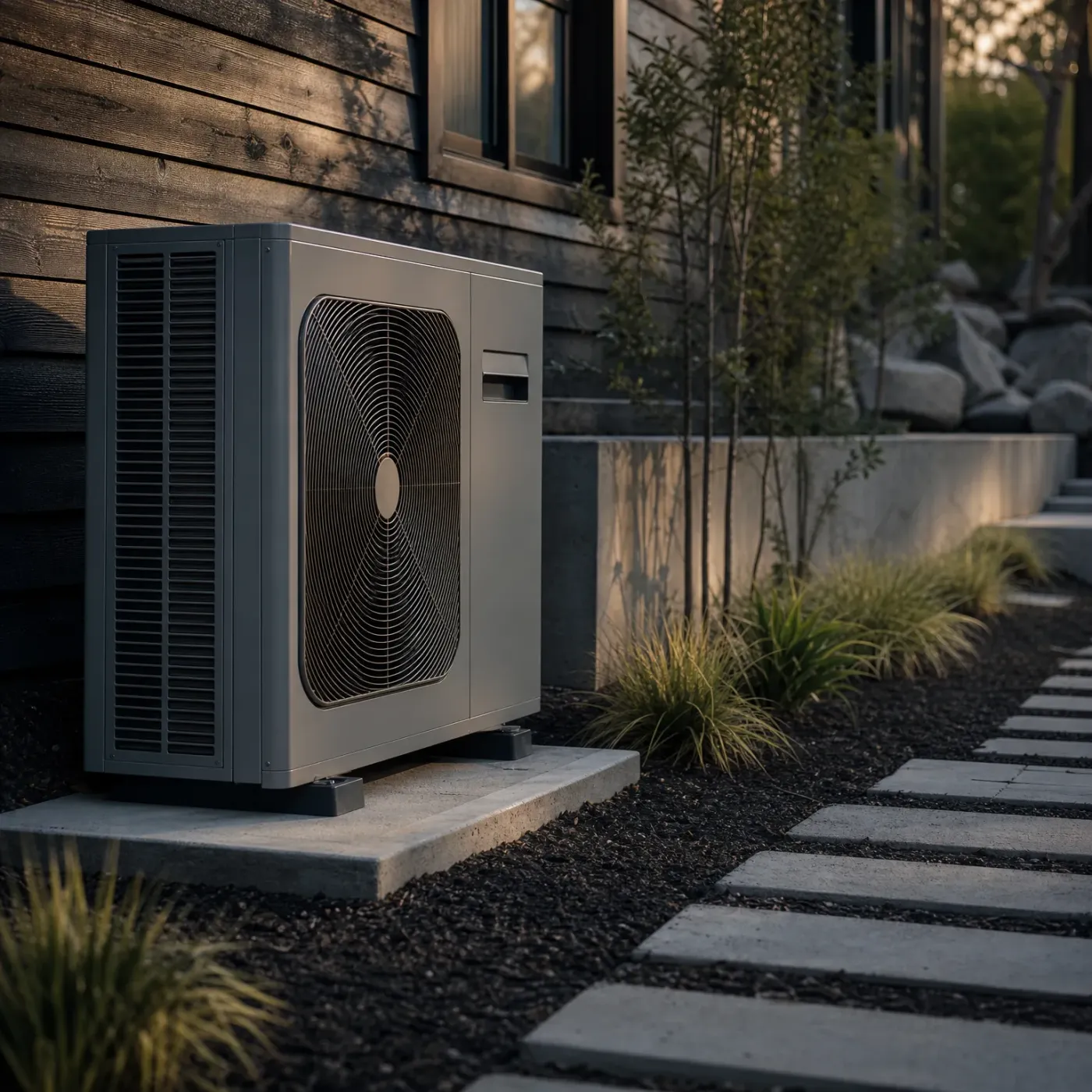
A gray outdoor heat pump unit with a circular fan grille sits on a concrete pad beside a dark wood-clad house, next to a gravel bed with ornamental grasses and a stepping-stone path.

The right pro for this job

What defrost mode means on an Oklahoma heat pump

You've seen your heat pump sit still for a few minutes while steam rises off the outdoor unit, and you want to know if that's normal or a sign something's wrong. This page explains what defrost mode is and why Oklahoma winters trigger it. If yours is stuck in it, or won't come out, you can get matched with a contractor who'll look at your specific unit instead of calling around and repeating the problem to every shop in town.

Find my pro

Defrost mode is your heat pump melting off the ice that builds up on the outdoor coil during cold, damp weather. For a few minutes it reverses itself, sends warm refrigerant outside instead of in, and that's the steam you see rising off the unit. The fan stops, the system feels like it quit, and inside your house the air coming out of the vents may run cool for those few minutes. That's normal. Oklahoma winters swing between damp, near-freezing days and hard cold snaps, and both conditions put frost on that outdoor coil. A unit that defrosts a few times on a cold, humid day is doing what it's built to do. What's not normal is a unit that stays in defrost for much longer than a few minutes, cycles into it constantly, or never fully clears the frost before going back to heating. That points to a problem with the defrost control, a sensor, or the reversing valve, and it won't fix itself.

A smiling woman with dark shoulder-length hair in a cream V-neck sweater sits at a marble counter with a glass of red wine, with a kitchen and softly lit living room behind her.
A woman in a dark green sweater laughs while seated at a marble kitchen island with a glass of red wine, with open shelving, cabinets and a living room visible behind her.
A woman with long dark hair in a cream knit sweater laughs while looking off to the side, seated at a counter with a glass of red wine, in a dimly lit living room with a sofa, lamp, framed pictures and houseplant behind her.
A smiling woman with long dark hair in a beige sweater sits at a marble kitchen counter with a glass of red wine, with a dimly lit living room behind her.

How the defrost cycle actually works

  • A sensor on the outdoor coil or a timer in the control board tells the system when frost has built up enough to trigger defrost.
  • The reversing valve switches positions so hot refrigerant runs through the outdoor coil instead of the indoor one.
  • The outdoor fan shuts off during defrost so it isn't blowing cold air across the coil while it's trying to warm up.
  • Because the system is pulling heat from inside to melt that ice, you may feel a few minutes of cooler air from your vents.
  • A gas furnace backup, common in Oklahoma homes, can kick in during defrost so you don't feel that cool air at all.
  • Defrost cycles usually run for several minutes and end once a sensor reads that the coil has warmed past freezing.

The outdoor unit has a coil that acts like a radiator, pulling heat out of cold air so your heat pump can move it inside. In damp weather, that coil gets cold enough to frost over, the same way a freezer does. Once frost builds up past a certain point, a sensor or timer on the control board trips the system into defrost. The reversing valve flips, which is the same valve that lets your heat pump cool in summer, and now hot refrigerant runs outside instead of inside. The outdoor fan cuts off so it isn't fighting against the warm refrigerant trying to melt the ice. That heat has to come from somewhere, so for those few minutes the system is borrowing warmth from inside your house, which is why air from your vents can feel cool. If your home has a gas furnace backed up to the heat pump, which is common in Oklahoma, that furnace can fire during defrost specifically to cover for that cool air, so you may never notice the cycle happening at all. Once the sensor reads that the coil has warmed past freezing, the system switches back, the fan kicks back on, and normal heating resumes. The whole thing is controlled start to finish. Steam coming off the unit during this is just melted frost evaporating, not a malfunction.

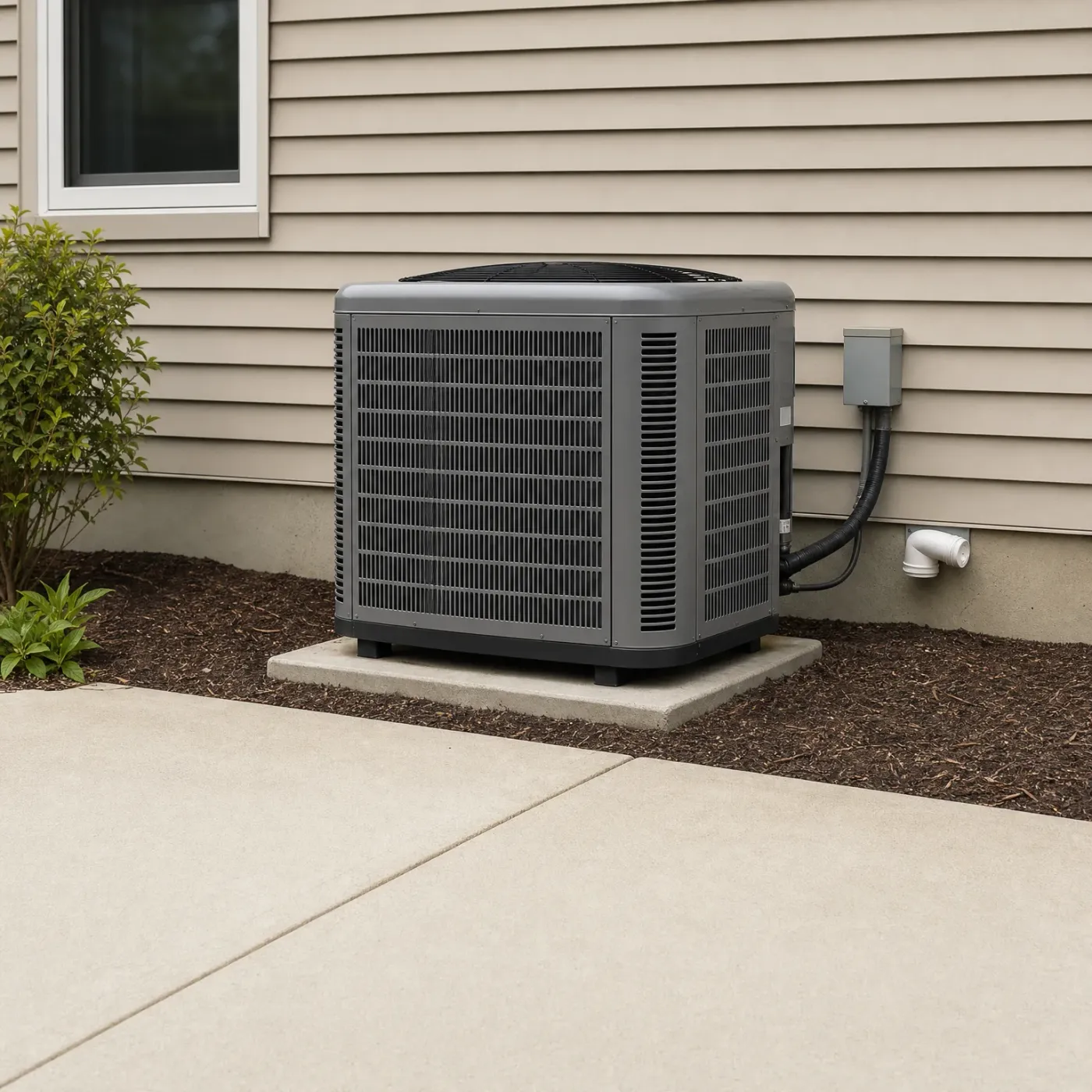
A gray outdoor condenser unit on a concrete pad beside a beige vinyl-sided house, with a wall-mounted disconnect box, flexible conduit, mulch bed, shrubs and a concrete walkway in front.
Steam for a few minutes, then the unit's back to heating your house, fan running, coil clear.
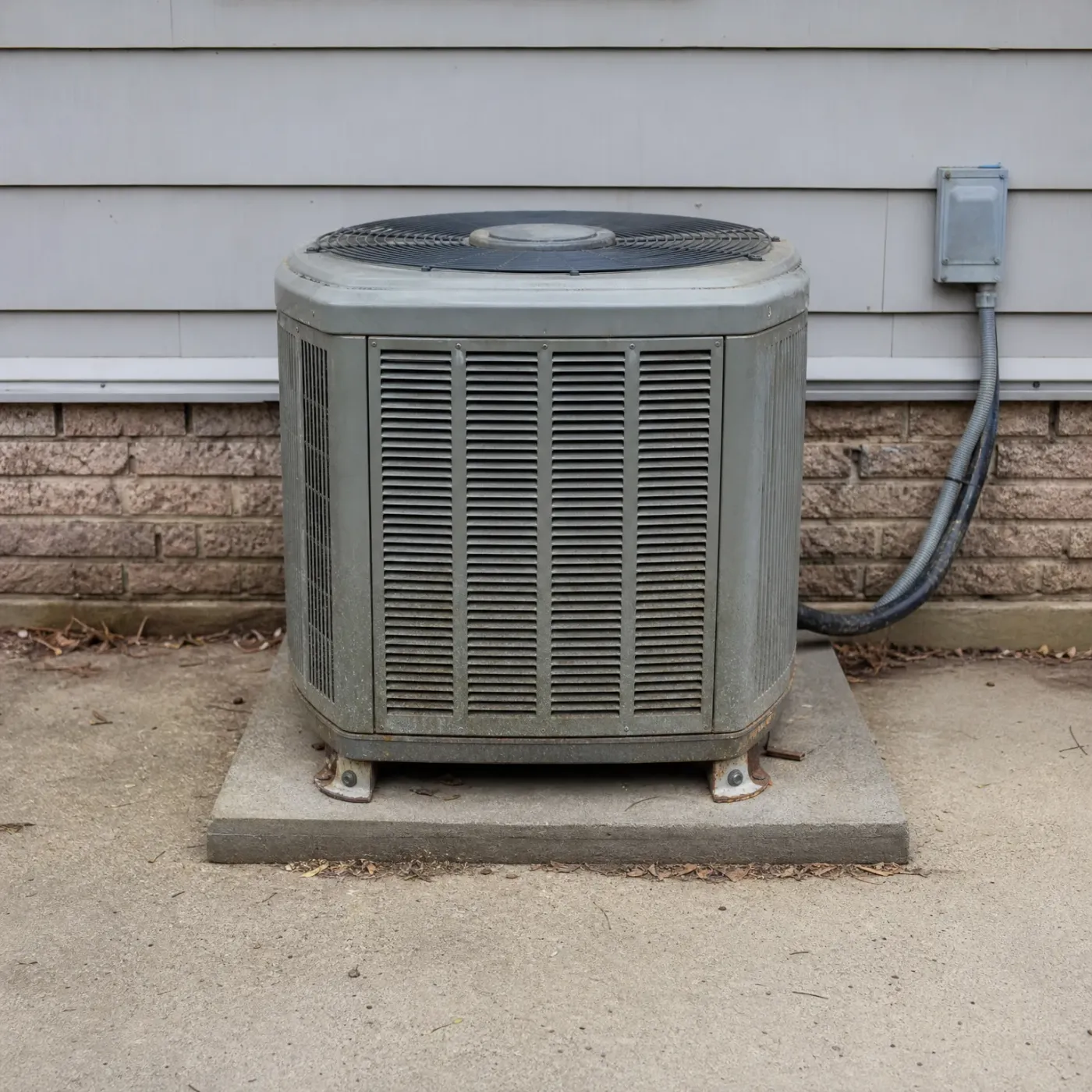
An outdoor air conditioning condenser unit on a concrete pad beside a house with horizontal siding above a brick foundation, with a flexible conduit running to a wall-mounted disconnect box.
Ice that doesn't clear, a unit that cycles into defrost every few minutes, or one that never comes back on is a repair call, not weather.
A smiling bearded man in a navy sweater sits at a candlelit dinner table with a glass of red wine, a bowl of salad, and plates of food in the foreground.
A woman with dark hair in a bun reclines on a sofa with her eyes closed, wrapped in a cream fleece blanket, a closed blue hardcover book resting in front of her, with a lit lamp and a vase of dried flowers in the background.

Matched to your heat pump job

Answer a few questions instead of calling shop after shop.

There's no charge for the request.

Oklahoma's winter mix of cold snaps and humidity off the Gulf is exactly what frosts an outdoor coil fast, so a heat pump here can cycle into defrost several times on a damp 30-degree day.

That's normal for the climate. What isn't normal is a unit that stays in defrost, never clears the ice, or stops heating altogether, and that calls for someone to look at it, not another hour of waiting.

A gray outdoor air conditioning condenser unit on a concrete pad beside a house with light vinyl siding, with a gray electrical disconnect box and conduit on the wall to the right.
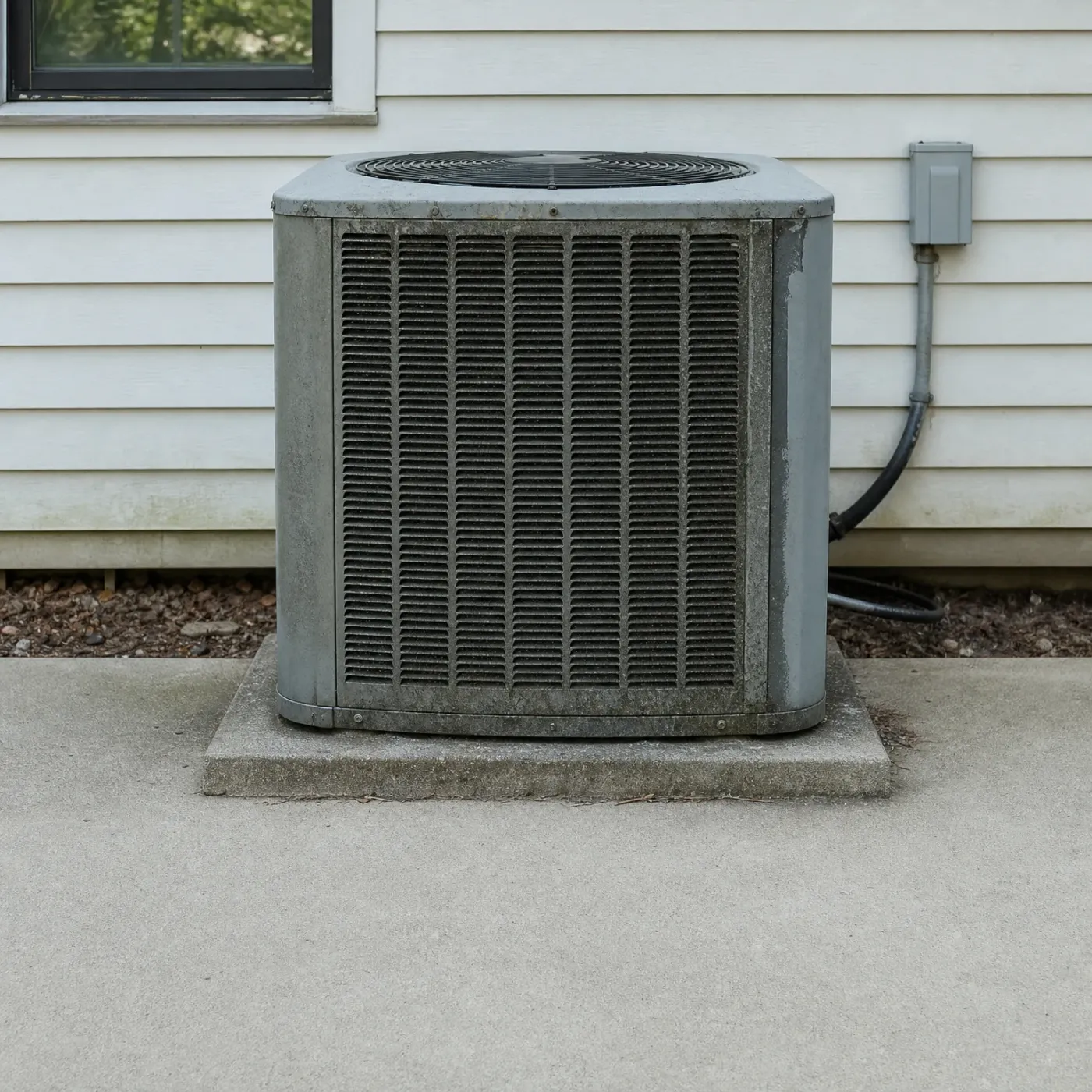
Before you get your heat pump repair
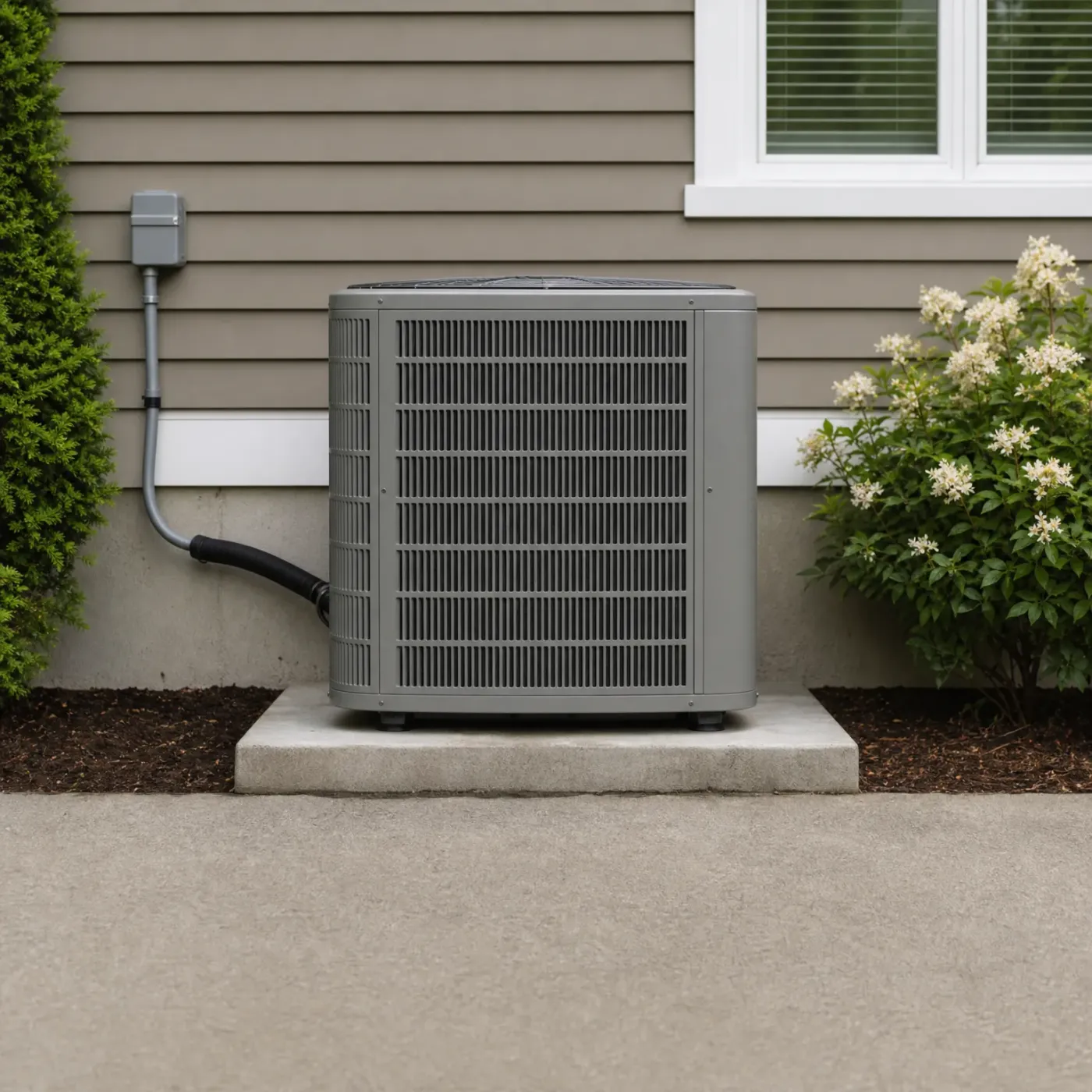
A gray outdoor condenser unit on a concrete pad beside a house with horizontal lap siding, a conduit and disconnect box on the wall, a shrub with white flowers at right and evergreen foliage at left.
After you get your heat pump repair

What a normal cycle costs you

A normal defrost cycle costs you nothing but a few minutes of patience. The outdoor fan stops, steam comes off the coil, and then the system switches back and starts heating your house again. Your indoor air might feel a touch cooler for a moment while it happens, but the thermostat catches up fast. Power here is cheap, so running defrost a handful of times on a cold, damp day doesn't move your bill in any way you'd notice. What you're watching is the heat pump doing exactly what it's built to do.


What a stuck cycle puts at risk

A heat pump that won't come out of defrost is heating your outdoor unit, not your house. Leave it running that way and the coil can ice over worse, the compressor works harder than it should, and your gas backup may be carrying more of the load than you'd expect for the temperature outside. If you're watching the outdoor fan sit idle for long stretches, or the system cycles into defrost over and over without settling, that's wear happening right now, not a quirk of the weather.

Power costs 13.21 cents per kilowatt-hour statewide

At 13.21 cents a kilowatt-hour, running the backup heat strips during a long defrost cycle costs you something, but not much for a few minutes. What's worth watching is a unit that won't stop defrosting, since that leans on the heat strips over and over and shows up on your bill.

EIA-861 2025 statewide residential average

A smiling man in a denim shirt and white t-shirt stands in an open dark doorway of a stucco house, facing a woman with long brown hair and a green jacket seen from behind in the foreground.

Steam is normal. A unit that won't quit isn't.

A heat pump that defrosts a few times on a cold, damp day is doing its job. It clears the coil, switches back, and keeps your house warm. That's the whole answer to what you saw outside.

If yours is cycling into defrost every few minutes, staying there, or not coming back on at all, that's not the weather, that's the equipment. Figuring out which part is behind it, the sensor, the reversing valve, the board, takes someone who can look at your unit directly. Skip the part where you search around, call a few numbers, and explain the same steam and the same stuck fan three different times. Answer a few questions about what your unit is doing and a contractor who works on heat pumps in your area will reach out to you directly, already knowing what you're dealing with.

A living room corner with a light beige sofa holding a textured taupe cushion, a large ceramic vase of olive branches by a window, a framed neutral artwork on the wall, and a dark bowl with stacked books in the foreground.
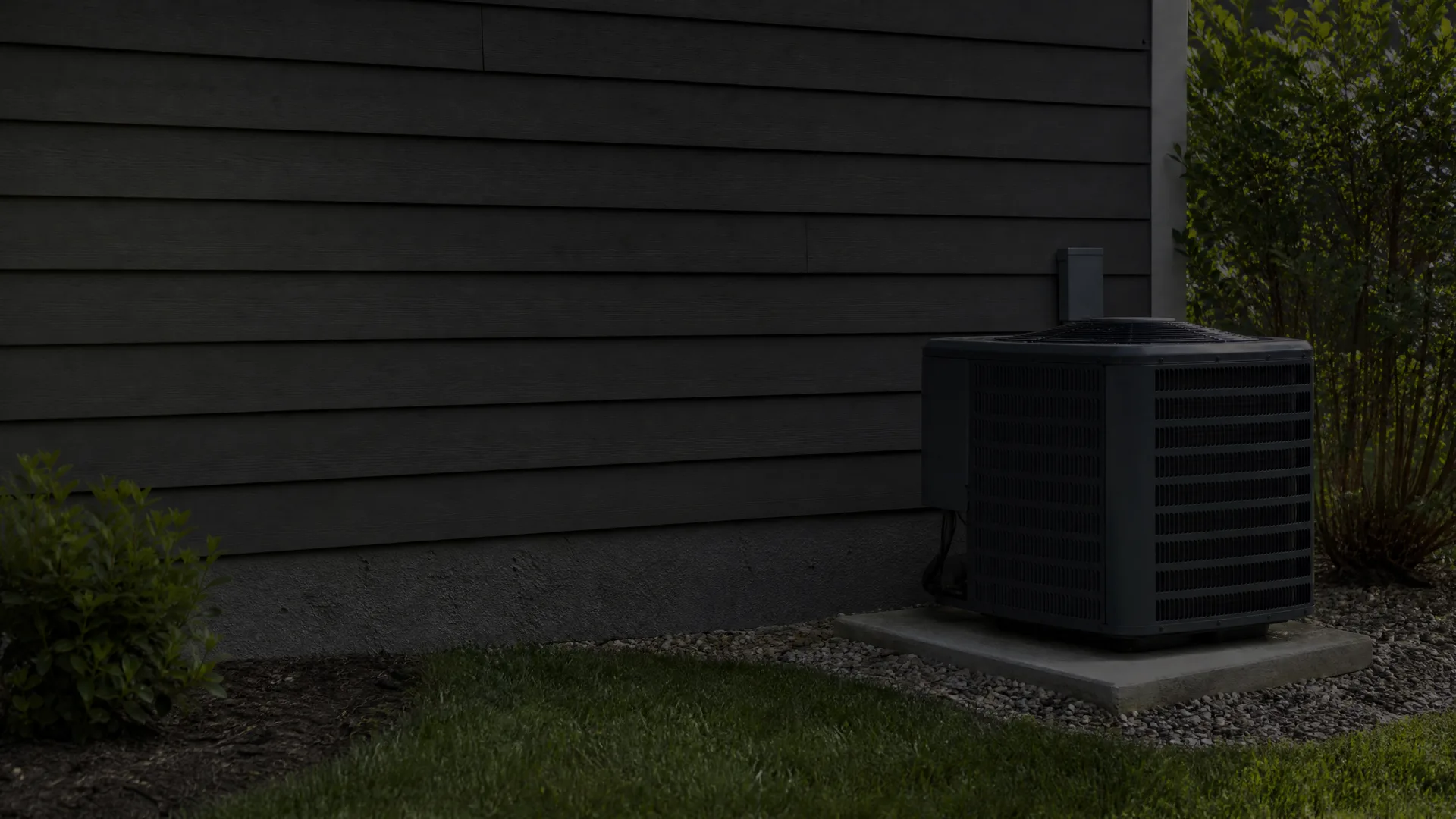
An outdoor air conditioning or heat pump condenser unit sits on a concrete pad surrounded by gravel beside a dark horizontal-sided house, with grass and shrubs nearby.

A heat pump pro near you

Describe your heat pump job once, to one pro.

Step 1 of 3: Equipment