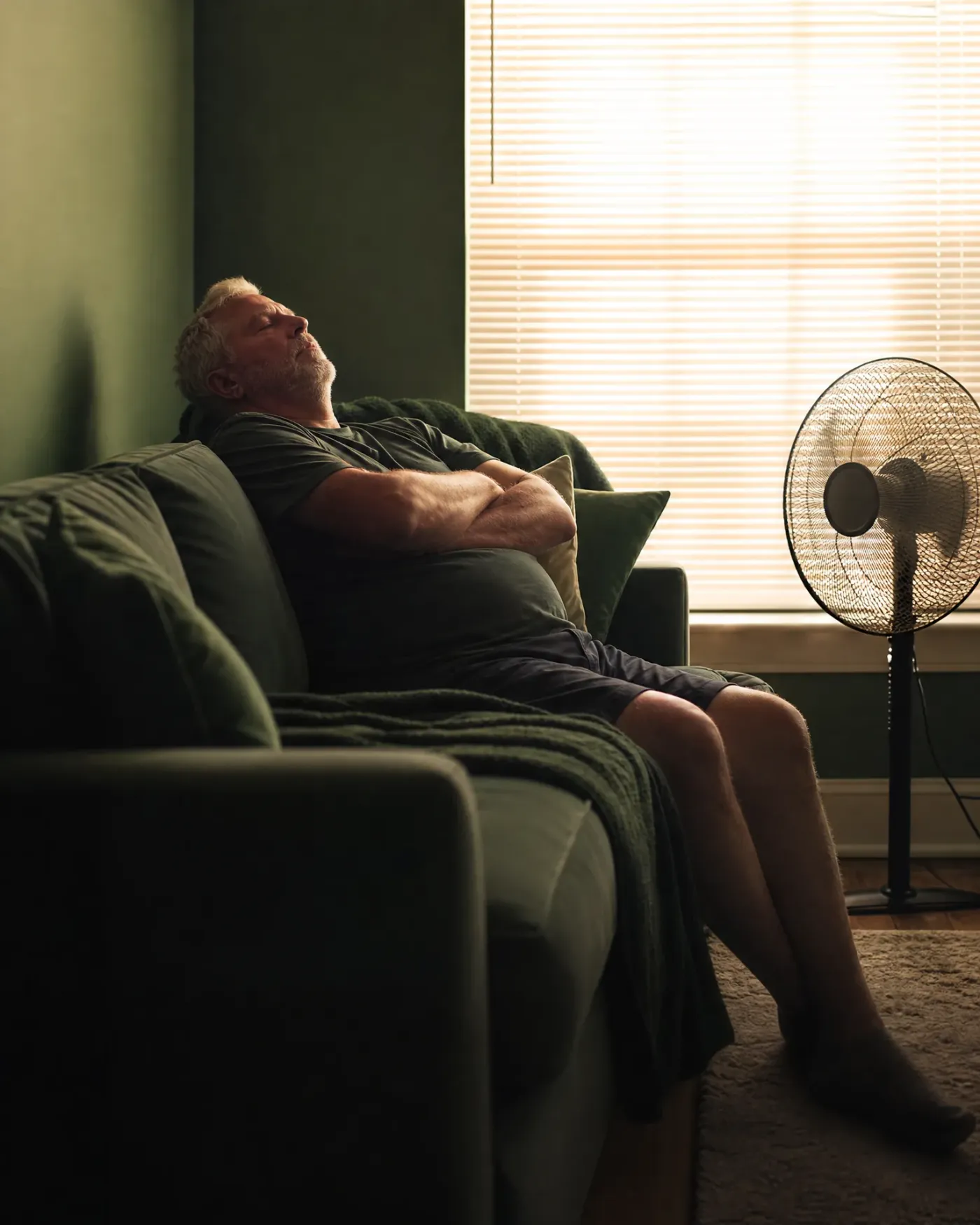
Running on the heat pump
The outdoor unit and the strips share the load, so your electric bill stays lower. This is how the system is meant to run most of the winter.
Emergency heat is a setting on your thermostat, usually a switch marked EM HEAT, that shuts off the outdoor heat pump unit and runs backup heat strips instead. Your heat pump moves heat from the outside air into your house, and on a cold morning the outdoor coil can ice over. The unit normally fixes this itself with a defrost cycle. You switch to emergency heat when the outdoor unit stops working altogether, iced up and not defrosting, making strange noises, or not running at all, so you still have heat while it's being fixed. It is not meant to run for days at a time. Backup strip heat costs more to run than the heat pump, and leaving it on for a week will show up on your bill. If your thermostat has been sitting on EM HEAT and you are not sure why, that is a sign the outdoor unit needs a look, not a setting to leave alone.
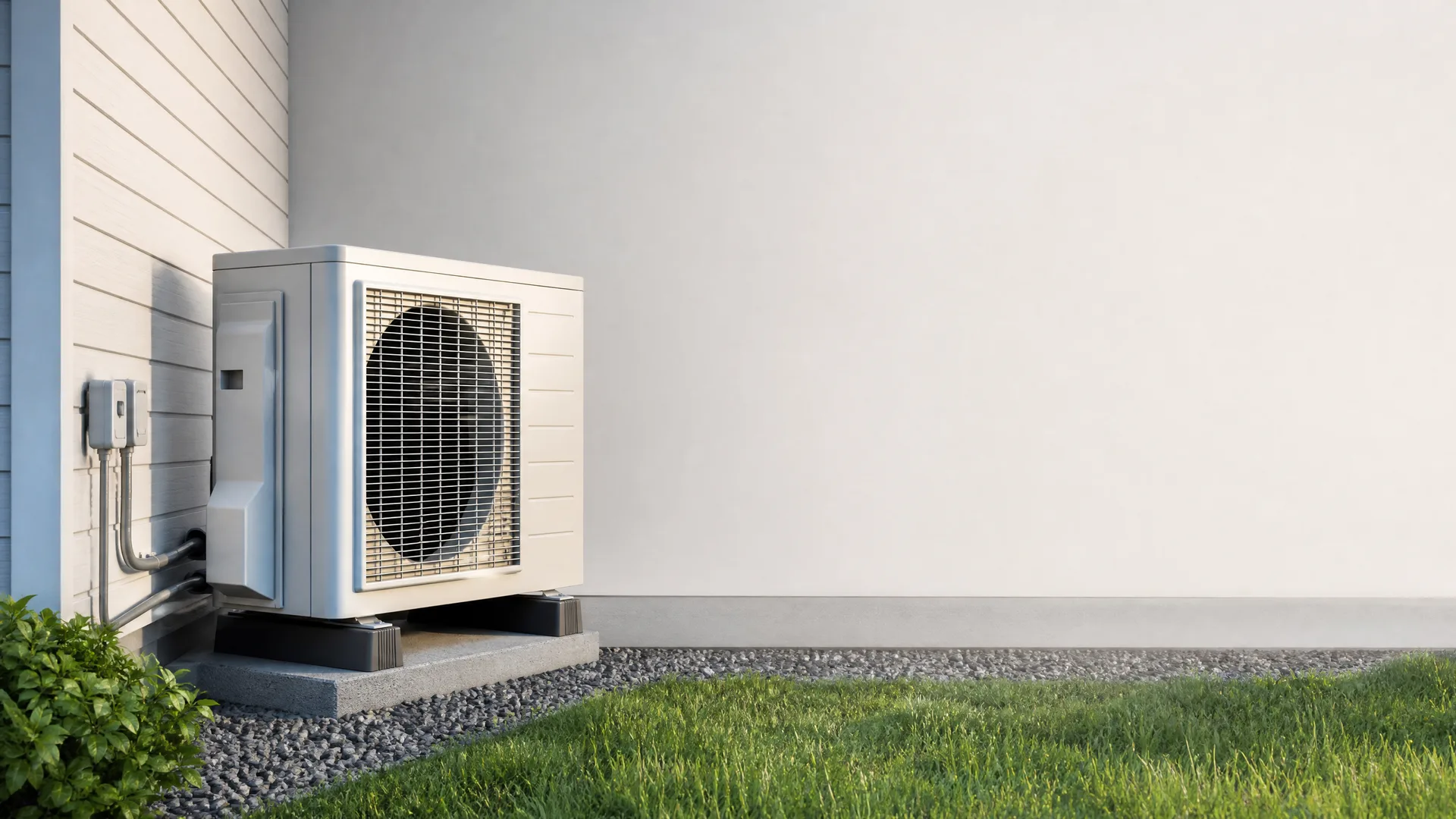
A heat pump pulls heat out of the outside air, and it works harder as that air gets colder. Below the mid-30s, ice can form on the outdoor coil faster than the unit can clear it, and the heat pump has to pause and run a defrost cycle to melt it off. During that pause it feels like the heat shuts off, because it mostly does. Emergency heat skips that problem by never calling on the outdoor unit at all.
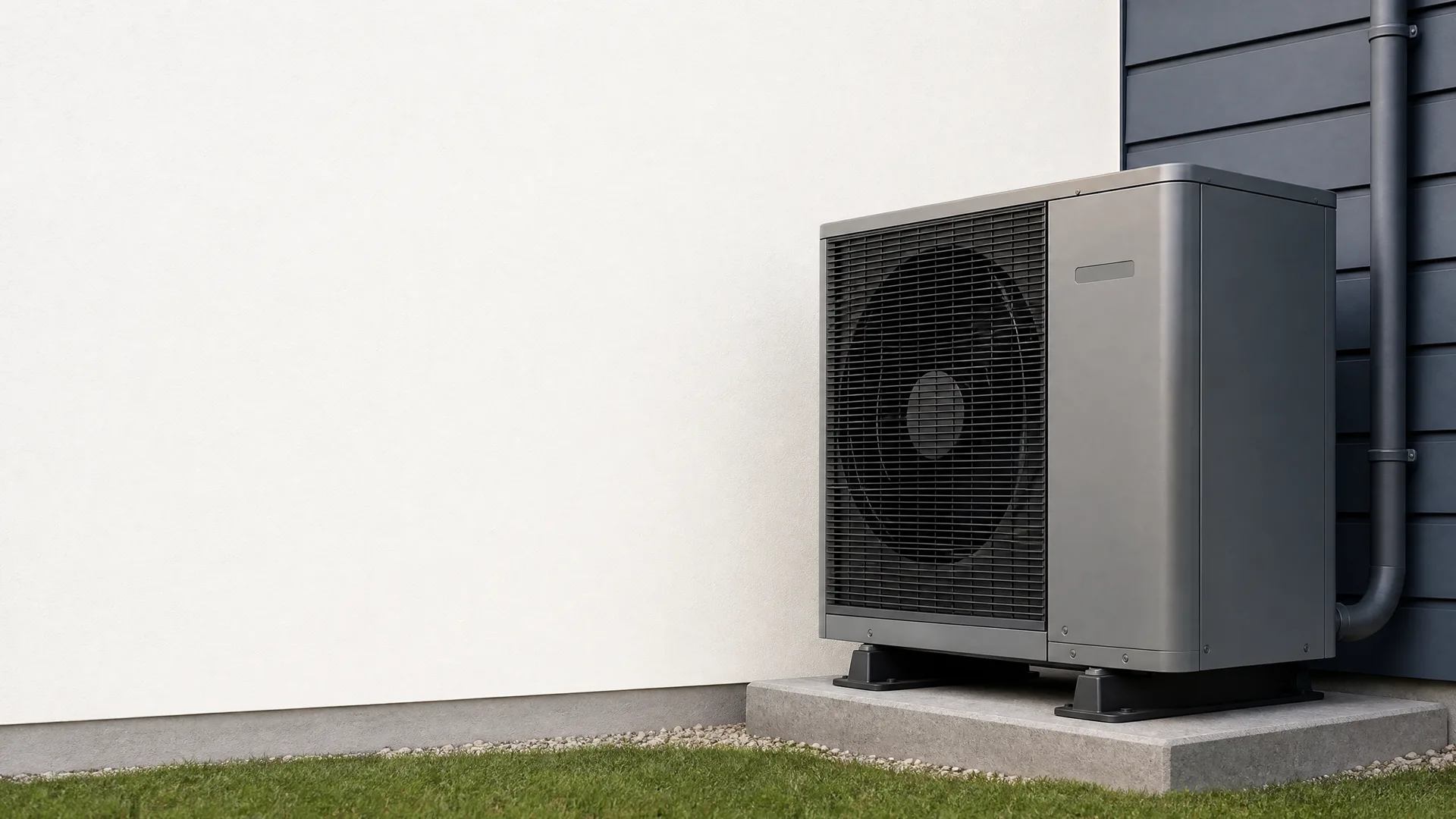
The backup heat strips sit inside the indoor air handler, not outside, and they work like a giant toaster element. Electricity runs through the strips and the blower pushes air across them, so the house gets warm from straight electric resistance heat instead of the heat pump's outside coil. It is the same principle as a space heater, just wired into the ductwork. Since power is cheap in Oklahoma, running strips for a stretch doesn't carry the sting it would somewhere with higher electric rates.
If the outdoor unit is stuck, or the thermostat is already sitting on EM HEAT without you putting it there, you'll notice the air coming from the vents feels cooler than usual, and the system runs long stretches without catching up. Check the outdoor unit. If the fan isn't turning, or it's caked in ice beyond the thin coating that clears on its own during a defrost cycle, something is wrong. Left alone through a cold stretch, a heat pump stuck in emergency heat will lean entirely on the backup strips, and those cost more to run than the heat pump does. If the strips themselves have failed too, the house loses heat altogether, which matters most on the coldest nights.
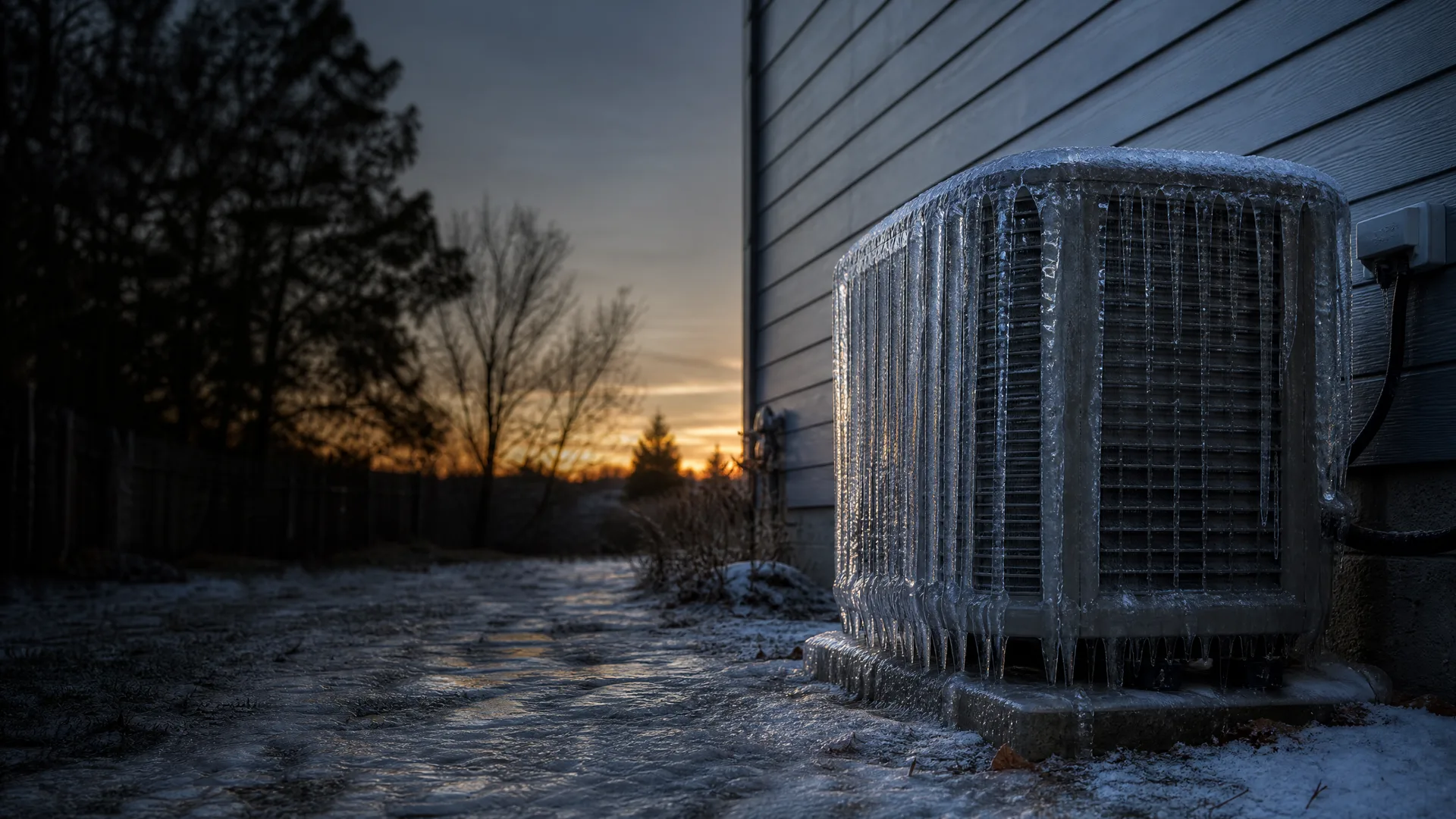
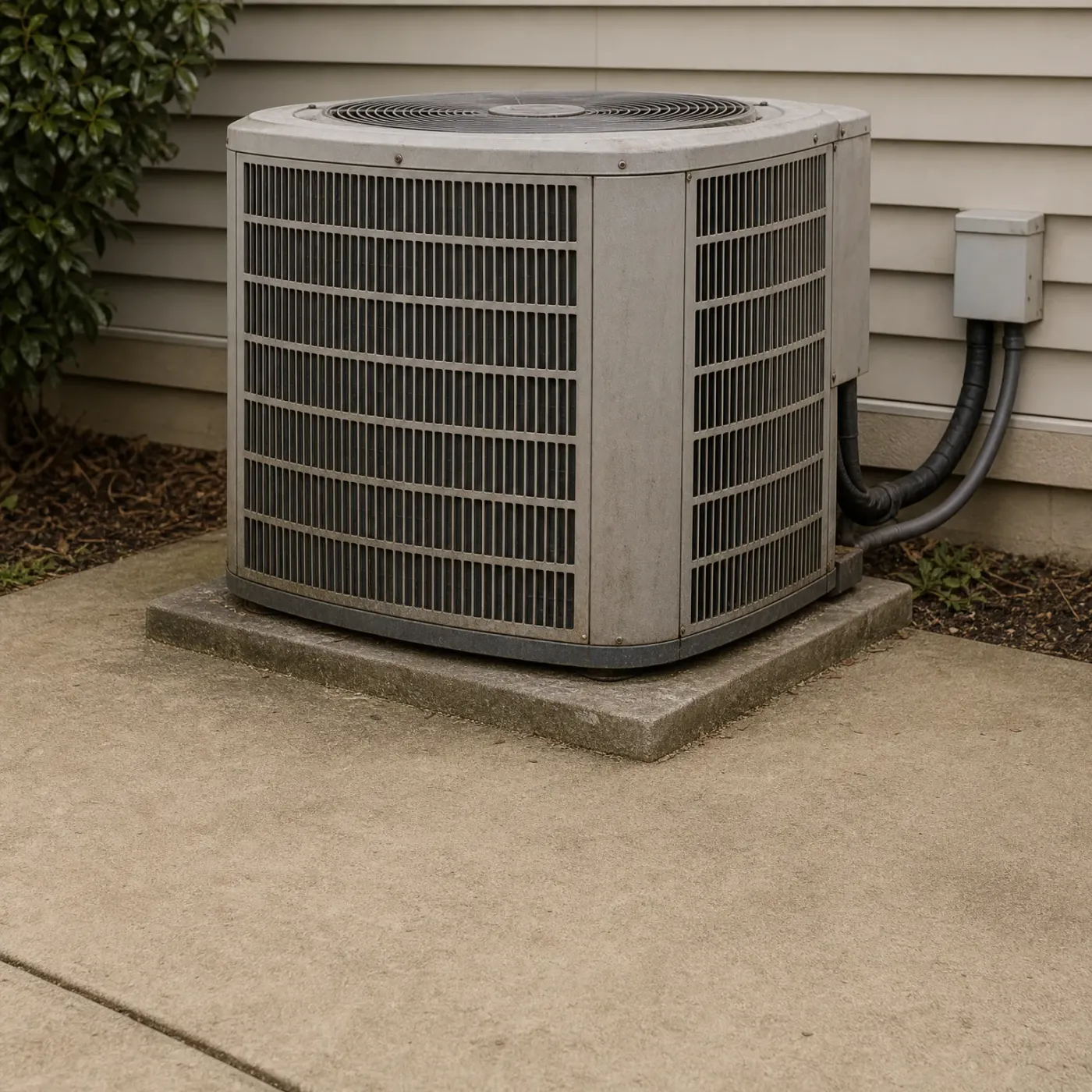
You go out for the paper a little before seven, still in slippers, and the grass is stiff and white. The outdoor unit sits against the fence, and you stop. Ice has built up over the whole cabinet, thick over the coil and furring up the top edge in a way you have not seen before. No hum, no fan turning. Inside, the thermostat reads sixty-six and climbing slower than it should. You stand there a minute in the cold, breath showing, looking at the ice instead of going back inside, trying to decide if this is the kind of morning where the unit just needs time, or something worse.




If your heat pump is stuck on emergency heat, or the outdoor unit is iced over and not running, that's a repair job, and it's worth getting someone out before a bigger cold snap hits and those strips are all you've got. Finding that someone is its own chore: searching, calling a few places, explaining the ice on the coil or the switch you didn't touch, then waiting on quotes to compare. A request here goes to one licensed contractor working in your area, someone who services heat pumps all winter and knows the usual reasons one ends up stuck on strips, whether that's a bad defrost control, a stuck reversing valve, or a run of outdoor coil ice that won't clear. You're not fielding calls from five companies trying to win the job. Your power bill will tell you fast if the strips are carrying the house, and the sooner the outdoor unit is back doing its part, the sooner that changes.
Flip the switch to EM HEAT and the job of heating your house passes to a bank of electric heat strips sitting inside the air handler, usually somewhere between five and ten kilowatts. Those strips don't ease in. A sequencer or relay board energizes them one at a time, a few seconds apart, which keeps the breaker panel from taking the full draw all at once. The compressor and the outdoor unit sit this one out entirely. No refrigerant moves, no outdoor fan spins, and there's no defrost cycle to wait through, since defrost is only something the heat pump itself needs when it's drawing heat from outside air. The blower still pulls air through the same ducts it always does, so the vents move the same volume of air whether a heat pump or a set of strips is warming it. That's part of why EM HEAT can fool you. The air feels different coming off resistance strips than it does off a heat pump, but the ductwork and the blower don't know the difference and don't change how they run. What does change is the power draw. Electric resistance heat takes more to produce the same warmth than a heat pump moving existing heat around does, which is the whole reason it's treated as backup rather than the normal way to heat the house. It's built to carry the load reliably when the heat pump can't, not to do it cheaply.
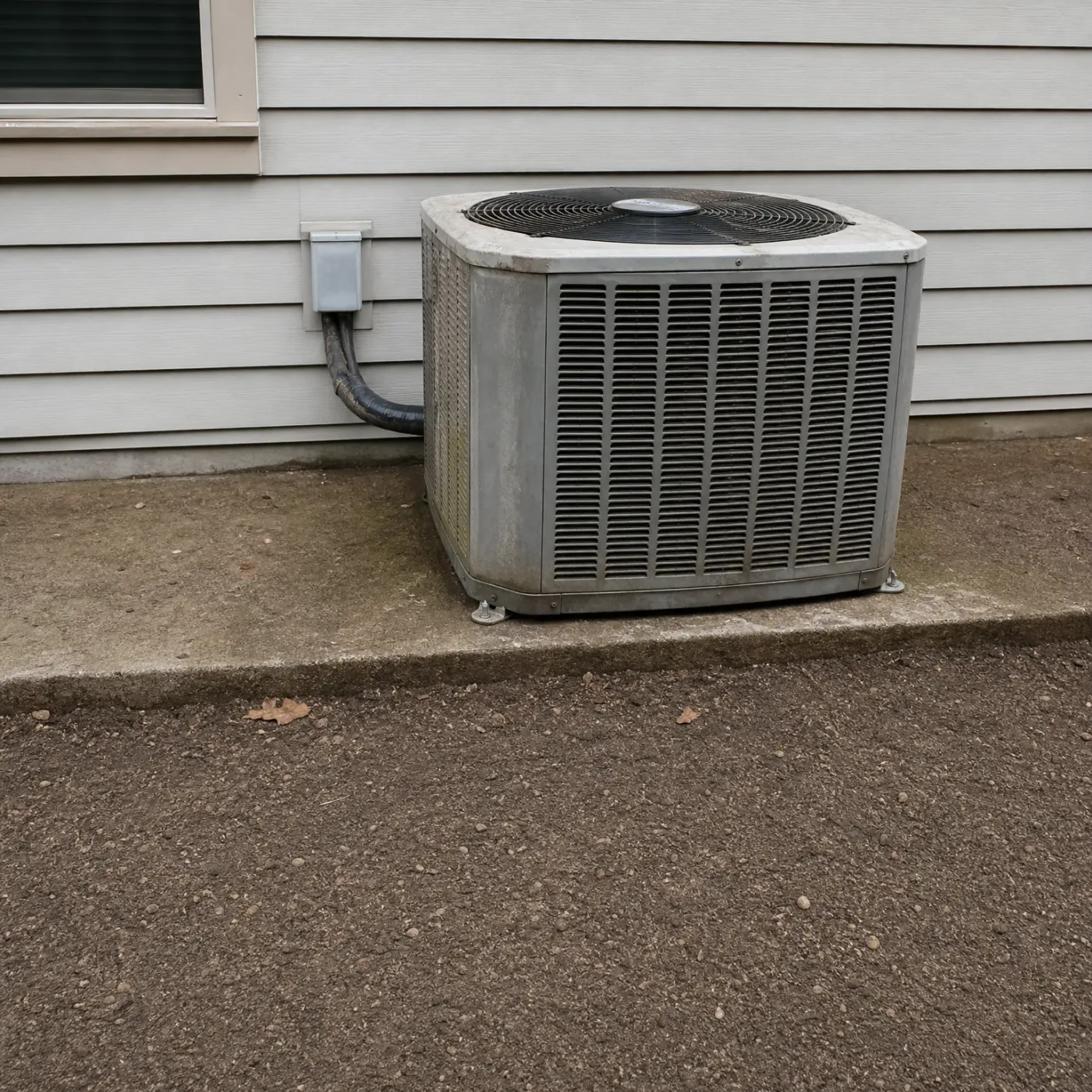
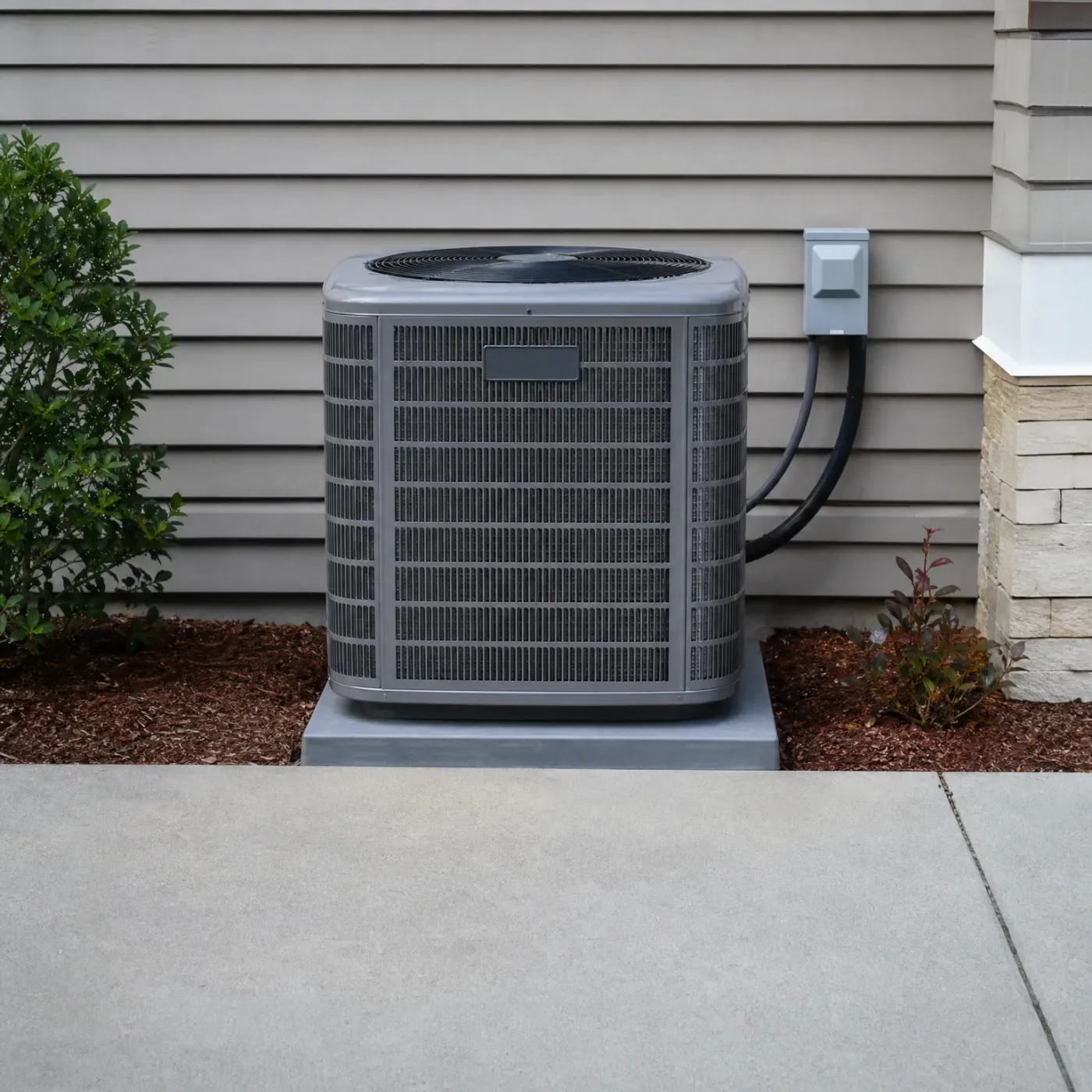
The outdoor unit and the strips share the load, so your electric bill stays lower. This is how the system is meant to run most of the winter.
The strips alone carry the house, pulling more electricity than the heat pump needs to do the same job. Worth having someone check why the outdoor unit stopped.
At 13.21 cents a kilowatt-hour, those backup strips cost real money to run. A heat pump splits the load with the outdoor unit, but strips alone can push your electric bill up fast, which is why getting the outdoor unit fixed and off EM HEAT matters.
EIA-861 2025 statewide residential average
Leave it on EM HEAT until a contractor looks at it, and the house stays warm the whole time. The strips don't care about ice or a bad defrost board, they just run.
Leave it there past a cold snap and the bill catches up with you. A licensed local tech can usually get the outdoor unit back to carrying its share in one visit.


Oklahoma summers run muggy, with a dew point that averages 66°F across June, July and August according to NOAA data. Your heat pump has to wring that moisture out of the air as well as cool it, which is the same coil and the same reversing valve that struggle with ice come winter. A unit that's been straining all summer to keep up with that heavy air is already worn going into the first cold snap, and a coil or valve on its way out is a big part of why some heat pumps end up stuck on EM HEAT when the temperature drops.
NASA POWER T2MDEW county cells weighted by homes
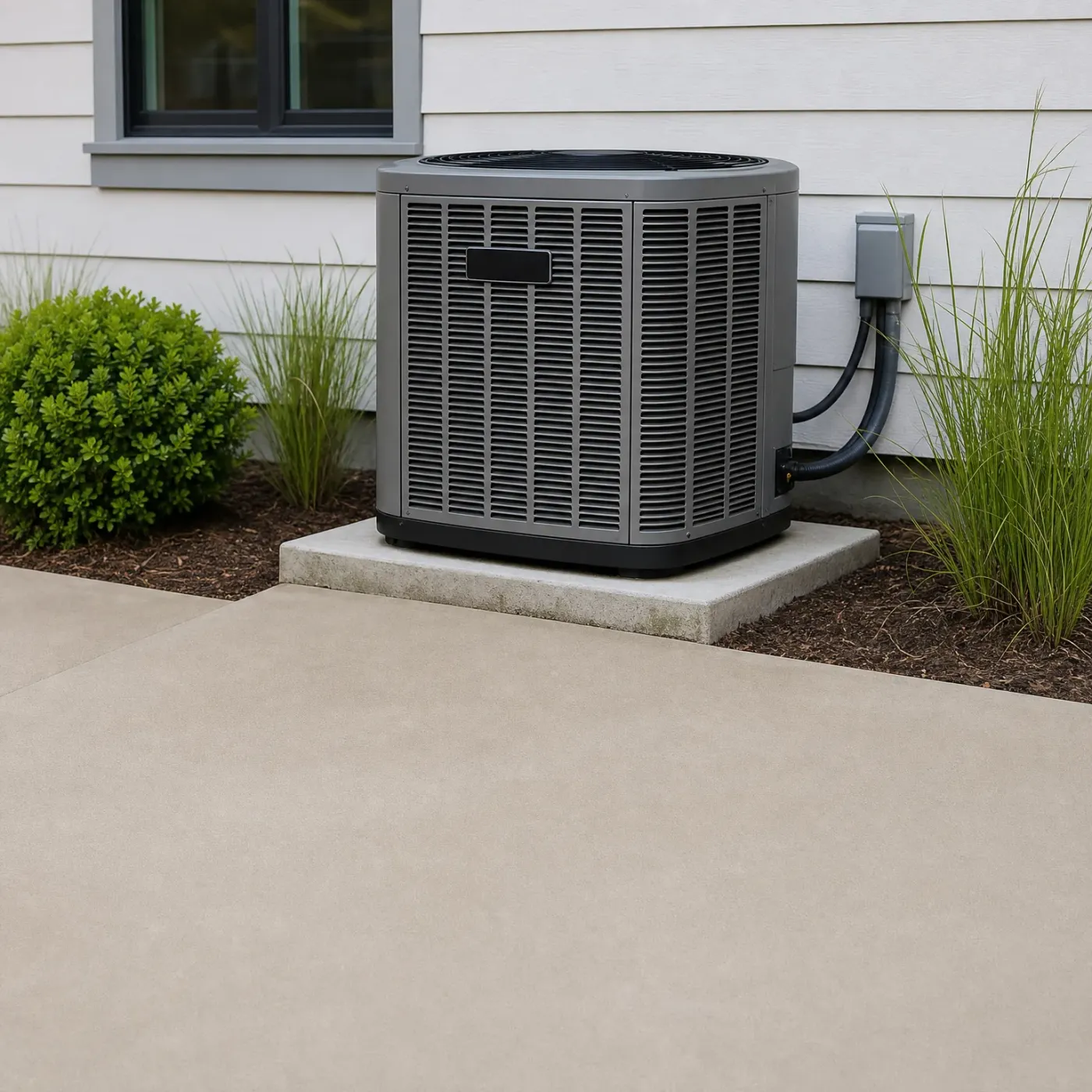
Thermostat calls for heat and the control board checks the outdoor unit first.
Reversing valve and compressor normally answer that call and start moving heat indoors.
Switching to EM HEAT tells the board to skip the outdoor unit entirely.
Power routes straight to the electric heat strips in the air handler.

EM HEAT means the strips are carrying the house and the outdoor unit isn't running. That's the whole answer. Whether it's iced over, waiting on a part, or the thermostat got bumped onto that switch by accident, the fix is the same: get the outdoor unit looked at and running again so it can go back to sharing the load.
Finding someone for that is usually its own job, calling around Oklahoma for a contractor who works on heat pumps, explaining the ice or the stuck switch over and over, then sitting with a stack of quotes trying to tell them apart. A local contractor who services this equipment all winter can look at your unit, tell you what's wrong with it, and get it off those strips, so you're not stuck explaining the same thing to the next company on your list.


Sending the form costs nothing.
A stuck outdoor unit doesn't fix itself by waiting. Send the request and a licensed Oklahoma contractor who works on heat pumps all winter looks at yours, instead of you calling around and explaining the ice and the EM HEAT switch to three different companies.