A local pro who knows heat pumps gets your details and gets in touch.
Sizing a heat pump for your Oklahoma home isn't a matter of matching tonnage to square footage. A unit that's too big cools the air fast and shuts off before it pulls the humidity out, so the house feels clammy even with the thermostat satisfied. One that's too small runs constantly through August and still can't keep up on the hottest afternoons. Getting it right means someone has actually looked at your house.
That's the part a search engine can't do for you. The size your home needs depends on how much shade it gets, how the attic is insulated, what your windows are doing, and where the ductwork runs. Two houses on the same street can need different equipment.
Most homes in Oklahoma heat with gas, which changes the math too. A heat pump here is often sized and chosen with cooling as the main job and backup heat as the secondary one, not the other way around. That's a different calculation than in a place where the heat pump carries the whole winter.
A load calculation, done at your house, is what actually answers the question. That's a visit from someone who does this for a living, not a number you can look up.
This page can get you to that person. Once you tell it a bit about your home, you're matched with a contractor who installs heat pumps and works in your part of Oklahoma. They'll follow up with you directly. From there, the sizing question stops being something you have to figure out alone. It gets handed to someone who can walk your attic, check your ducts, and tell you what your house actually needs, not what a formula guesses at.
Fill out the form below and let someone qualified take it from here.
What size heat pump do I need for my Oklahoma house?
You want a number, something like two and a half tons or four tons, before a contractor ever sets foot on the property. But a heat pump sized off square footage alone can leave you with a house that never feels quite right, either clammy in July or short-cycling itself to death. What you actually need is a load calculation, not a guess based on how big the last unit was.
There's no single size that fits an Oklahoma home. A load calculation decides it.
A contractor sizes your heat pump with a Manual J load calculation, which weighs your square footage against your insulation, your windows, your duct layout and how much shade the house gets. Two homes of the same size in the same town can need different tonnage because one has newer windows or a better attic. In Oklahoma, summer humidity makes this matter more than the thermostat setting does. A heat pump sized too large cools the air quickly and shuts off before it has pulled the moisture out, so the house feels damp even when the temperature reads fine. One sized correctly runs longer, steadier cycles that actually dry the air out while it cools it.
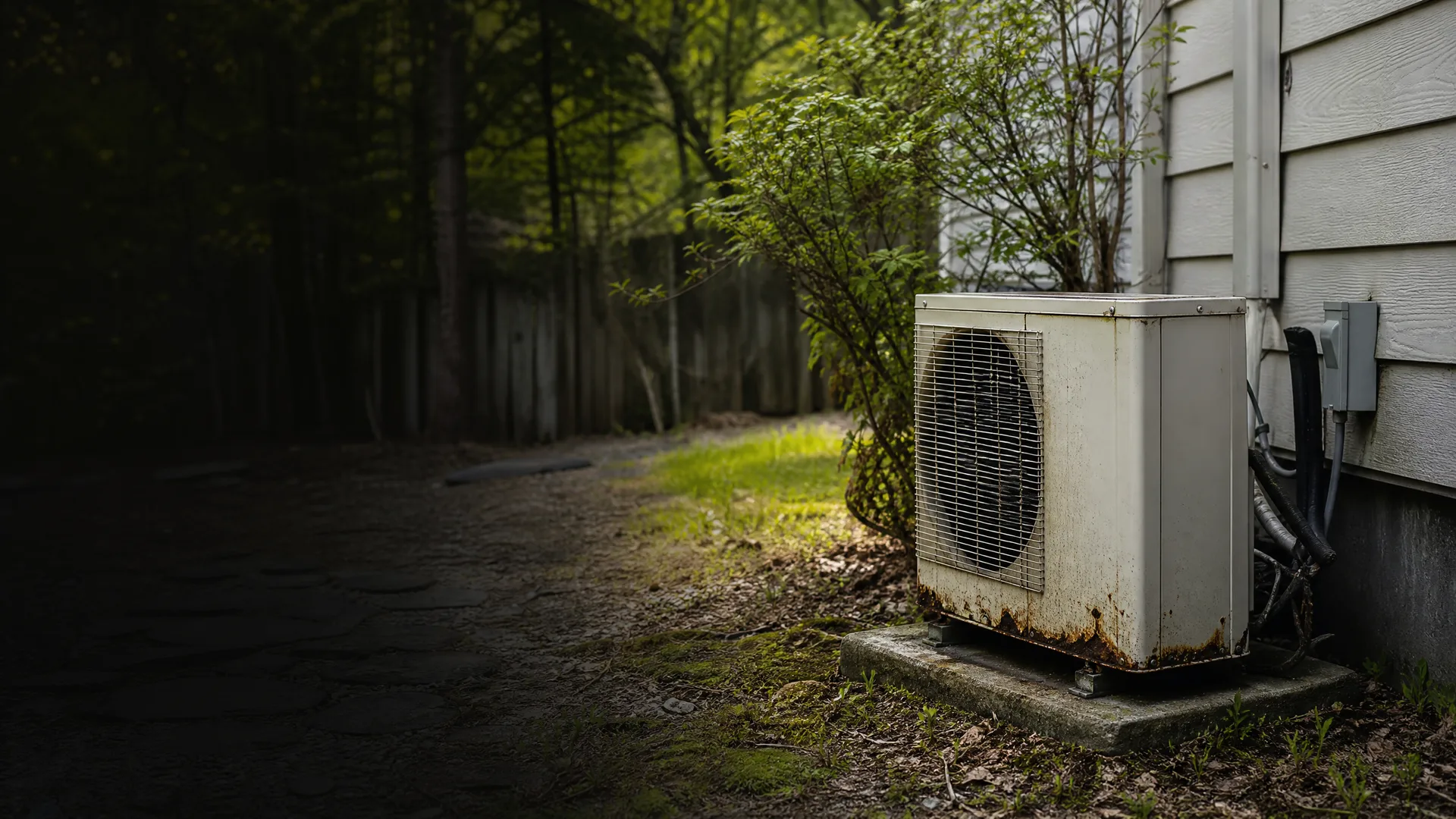
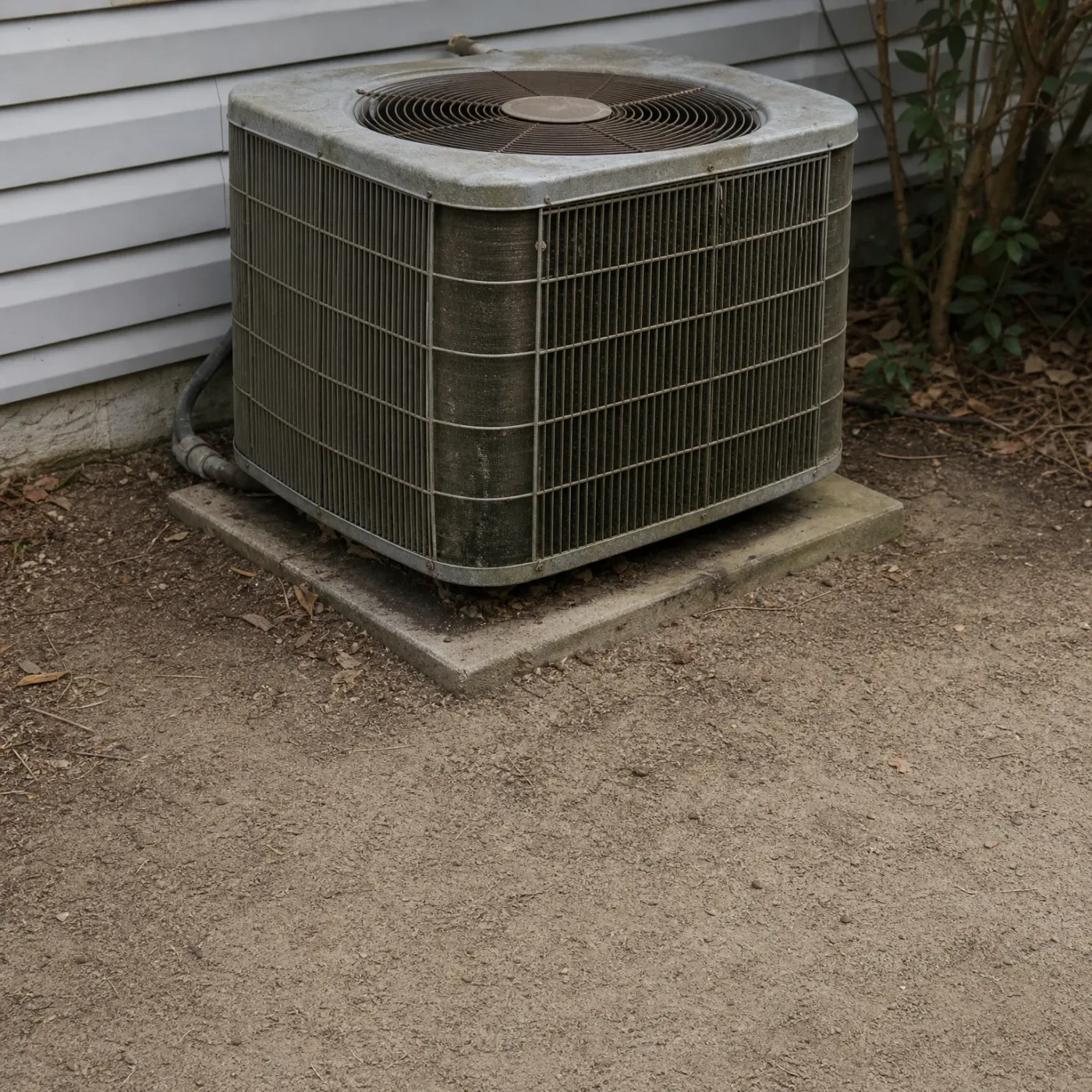
You're out checking the side yard on a spring afternoon, grass still damp from the night before, and the outdoor unit catches your eye. It's been sitting against the house for years, and now you notice the rust creeping along the base, flaking where the metal meets the ground. You crouch down and press a thumb against it. Soft. Behind it the coil looks fine, the fan turns when you nudge it, but that base is going. You think about the muggy months ahead, about asking a contractor to size the replacement right instead of guessing off the old one. Sending in the details and letting someone who knows these units take it from here feels like the easier path.
A load calculation is the only way to get this right. It weighs your square footage against your insulation, your windows, your attic, and how much shade the house gets through an Oklahoma summer, then lands on the tonnage your specific house needs. Guess low and the heat pump runs constantly in August and still can't keep up. Guess high and it short-cycles, which means it never runs long enough to wring the humidity out of the air, so the house feels sticky even when the thermostat says you're at 72. Since most homes here heat with gas, the heat pump's winter job is lighter than its summer one, but that doesn't change what it needs to do from April through October. Power being cheap in Oklahoma doesn't fix a wrong-sized unit either, since the problem isn't the bill, it's comfort that never arrives no matter how long it runs. Getting the number right means someone measuring your house, not guessing at it.
A Manual J load calculation accounts for your duct losses, your window count and orientation, and how many people live in the house. None of that shows up on a tape measure.
That's why two houses of the same square footage, a few streets apart, can come back from the same calculation needing different tonnage. The number belongs to the house, not the neighborhood.
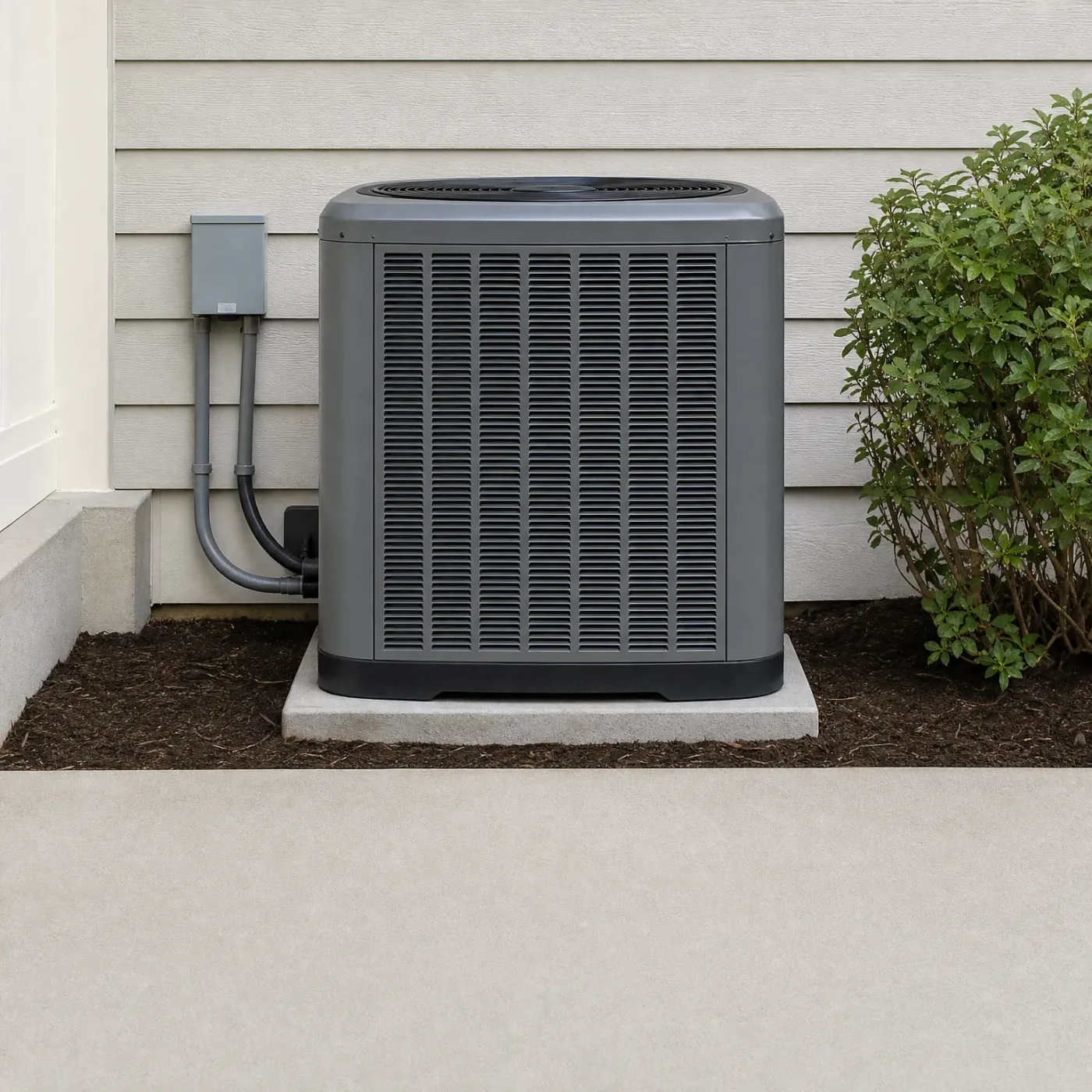
Right size, running clean
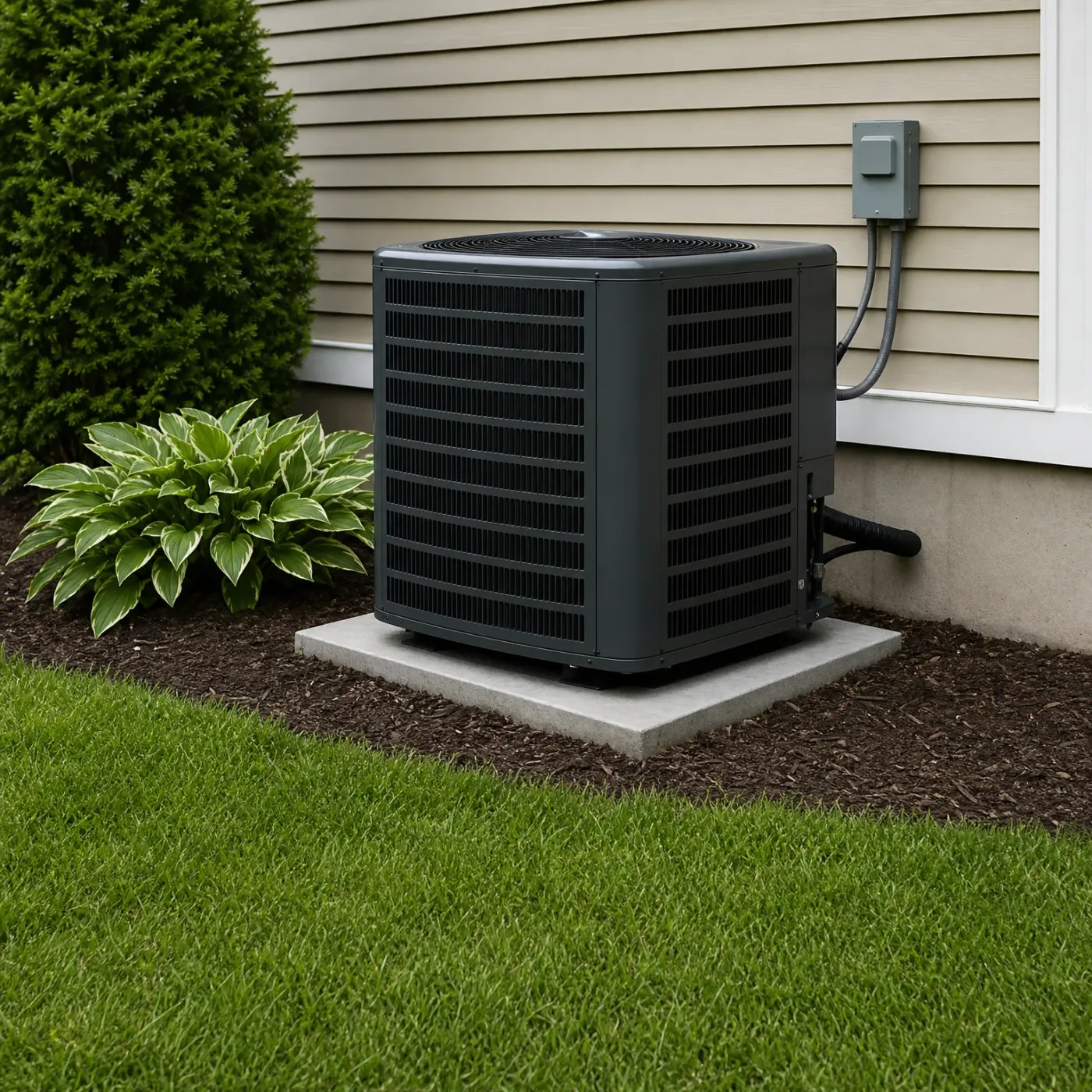
A heat pump sized to your house cycles on, pulls the humidity down with the temperature, and shuts off. The grilles stay clear because the unit isn't fighting to keep up. It holds the thermostat setting without the long runs that wear on a compressor.
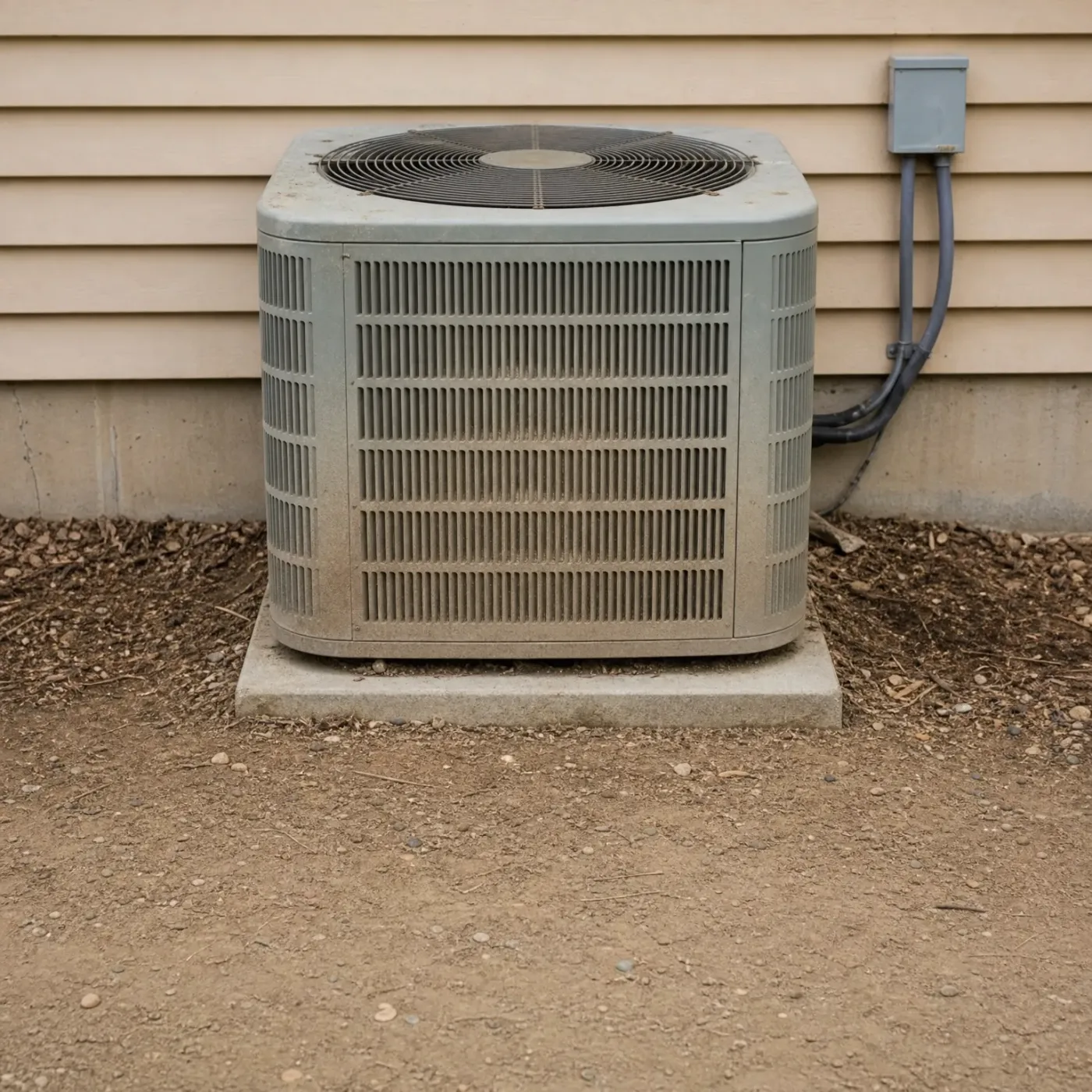
Wrong size, showing it
A unit sized off square footage alone either short-cycles or runs long trying to catch up. Dust and grime build up faster on a unit working outside its range. The grime alone won't tell you the size is wrong, but years of strain behind it will.
Too Big or Too Small
Oversized
A unit too big for the house satisfies the thermostat in a few minutes, so it never runs long enough to pull the moisture out of the air.
Short cycles mean the compressor starts and stops more often, and that wear shows up as repairs earlier than it should.
You paid for tonnage the house doesn't need, and a bigger unit costs more to install than the right-sized one would have.
Rooms farthest from the unit can still feel off because the system satisfies the thermostat's room before it ever evens out the rest of the house.
In August, the air feels cool but sticky, because temperature dropped fast while humidity barely moved.
Undersized
A unit too small runs nearly nonstop on the hottest July and August afternoons and still can't catch up to the thermostat setting.
The backup heat strips kick in more often in January to cover what the heat pump can't, and strip heat costs more to run than the compressor.
Constant long runs put more hours on the compressor over a season than a correctly sized unit would see.
The house holds a few degrees above your setting on the worst days, no matter how long you let it run.
Rooms at the end of the ductwork run warm in summer and cool in winter, because the system never has spare capacity to push further.
A 66°F dew point is what Oklahoma summers average through June, July and August, according to NOAA climate data. That's sticky air, the kind that sits on your skin even in the shade. A heat pump sized right for your house will run long enough to wring that moisture out along with the heat, so the air coming through the vents feels dry and the house feels cooler than the thermostat number suggests. Size it wrong and the unit satisfies the thermostat before it's done the humidity work, and you end up turning the temperature down just to feel comfortable, which only adds to the runtime and the bill.
NASA POWER T2MDEW county cells weighted by homes
Before you get your heat pump installationAfter you get your heat pump installation
Power costs 13.21 cents per kilowatt-hour statewide
At 13.21 cents a kilowatt-hour, running a heat pump here costs less than it would almost anywhere else. That only pays off if the size is right. An oversized unit still cycles on and off more than it should, and those extra starts add up on the meter even at a low rate.
EIA-861 2025 statewide residential average
The right size heat pump for your house comes from a load calculation, not a chart matched to square footage. That's the number that holds your house at the thermostat setting through a muggy Oklahoma summer without short cycling, and keeps it running steady through a mild winter without overworking the backup heat. Getting there means having someone qualified look at your walls, your windows, your attic, your ductwork, the whole house as it actually sits. Once you send the request, you're done hunting for who to call. A contractor who handles this work will reach out, and you can hand them the particulars of your house and let them land on the tonnage that fits it. You've done the part that mattered: understanding why the number matters and refusing to guess at it. The rest, the measuring and the math and the sizing, is work for someone who does it every day, not work you have to carry yourself.