Before you get your heat pump repair
You're watching the thermostat, layering up, and dreading the bill. The system runs most of the day and the house still doesn't feel warm enough.
Your heat pump bill climbs in winter because the unit has to work harder as the outside temperature drops. A heat pump moves heat from the outside air into your home, and when it's cold outside there's less heat out there to move. Below about 35 to 40 degrees, most heat pumps lean on backup electric strip heat to keep up, and that backup heat uses a lot more power than the heat pump running on its own. On a cold snap night, your system might run almost constantly instead of cycling on and off. If the bill jump feels bigger than the cold outside explains, something else may be going on, like a unit that's low on refrigerant, a defrost cycle that isn't ending the way it should, or strip heat kicking on more than it needs to. That's worth having looked at before the next cold stretch hits.
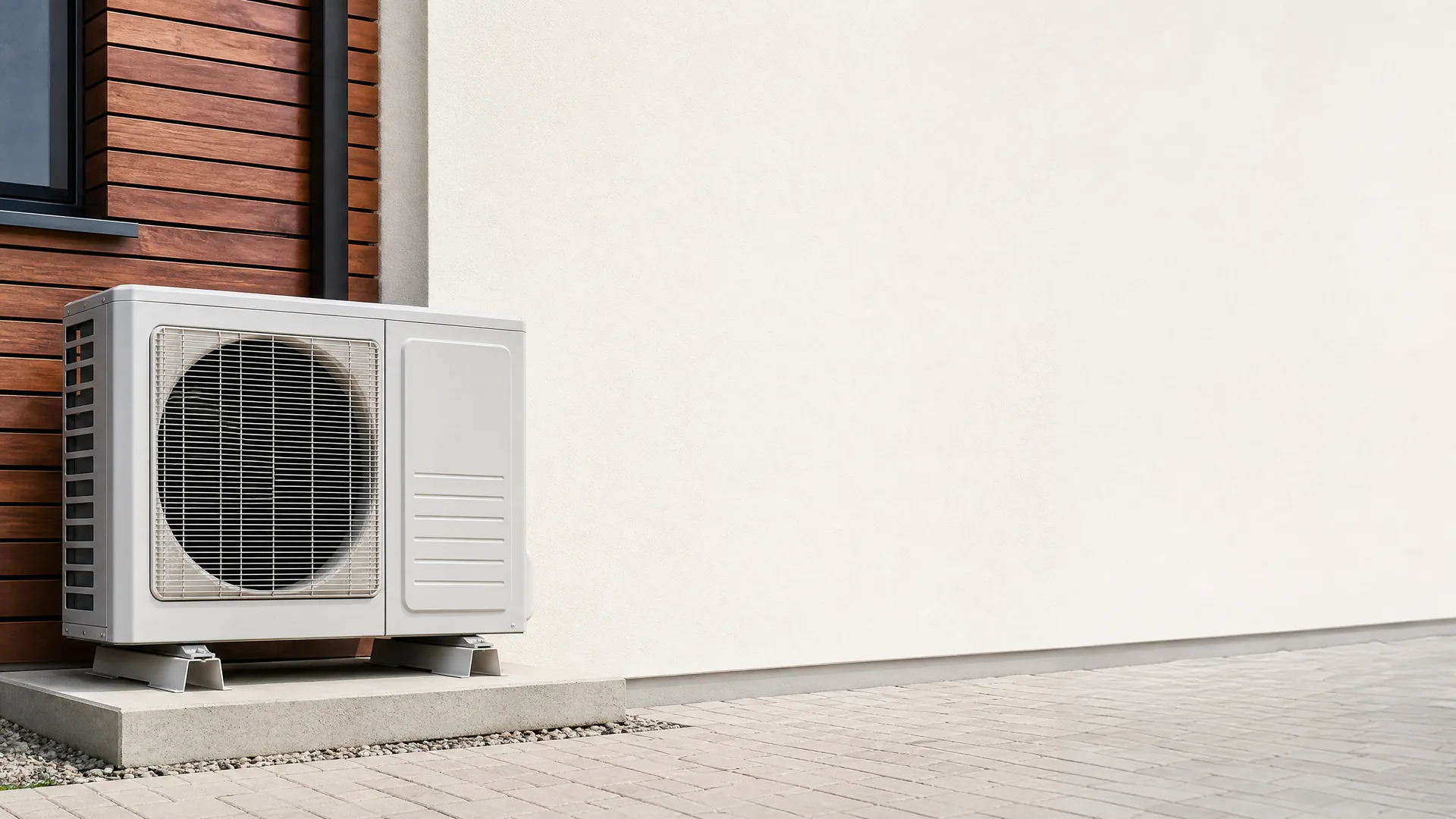
When the outside air gets too cold for the heat pump to pull enough warmth from it, a strip of electric resistance heat switches on to help. That backup heat doesn't move heat, it makes it, the way a space heater does. It costs more to run than the heat pump alone. If your thermostat is set lower than usual or someone bumps it up a few degrees at once, that backup heat is what answers.
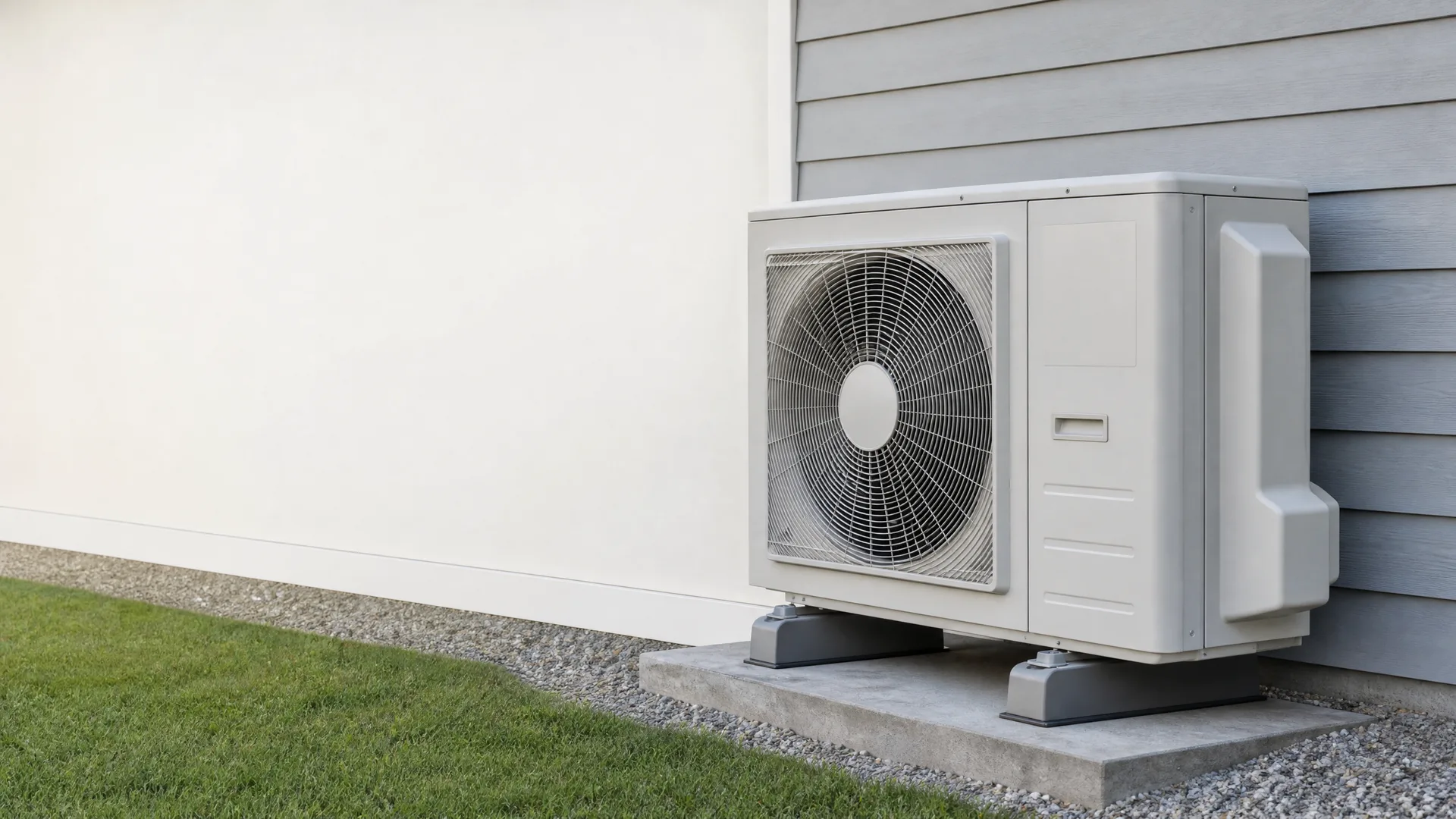
The compressor and the outdoor fan run longer stretches to pull the same warmth out of 30 degree air that they'd get from 50 degree air in a few minutes. Ice on the outdoor coil makes this worse. Heat pumps run a defrost cycle to melt it off, and during defrost the unit briefly runs backward, pulling heat from inside the house. More cold nights mean more defrost cycles, and more electricity used to get through them.
You might notice the outdoor unit running almost all the time once it turns cold, or the air coming from the vents feeling cool even though the system is on. Some homeowners hear it click into a different sound when the backup heat kicks in, or notice the thermostat holding a degree or two below where it's set. These are signs the system is struggling to keep up with the outside temperature. A unit that runs constantly without warming the house evenly is often low on refrigerant or losing capacity for another reason, and leaving it that way adds to the bill all winter and puts more wear on a system that's already working harder than it should.
It's a January morning, just past six, still dark outside. You're standing by the thermostat in your socks, and the house feels wrong, cool in a way it shouldn't. The vents are blowing but it's not warm air coming out. Outside, frost covers the grass and the outdoor unit sits still where it should be running. You bump the thermostat up a couple degrees and wait, listening for the furnace to catch, but nothing changes. Your hands are cold around your coffee mug. You've got a call to make before anyone else in the house is even up, before the kids come down for school still in their pajamas, asking why it's so cold.
Your request goes to one pro, not a list of companies.
No fee to send it, and nothing to sign.
A gas furnace burns fuel to make heat, so it costs about the same to run on a 20 degree night as it does on a 40 degree one. Most Oklahoma homes heat this way, and the bill stays fairly steady through the winter.
A heat pump has to work harder as it gets colder, and below about 35 to 40 degrees the electric strips take over part of the job. That's the stretch where a heat pump bill pulls ahead of what a gas furnace would run.
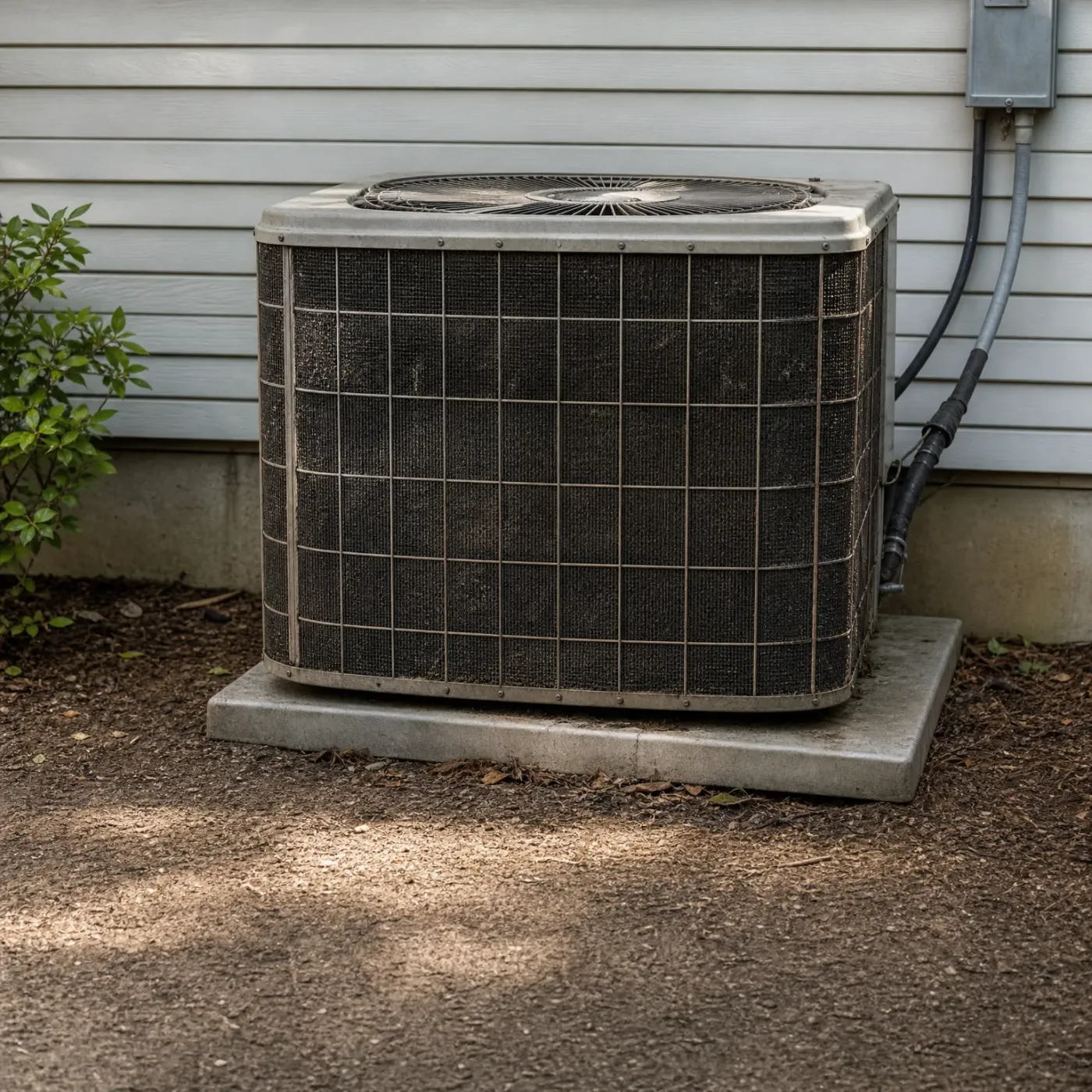
You're watching the thermostat, layering up, and dreading the bill. The system runs most of the day and the house still doesn't feel warm enough.
The unit cycles the way it should and holds the temperature you set. You stop checking the thermostat every hour and the bill stops climbing for no reason.




At 13.21 cents a kilowatt-hour, running the heat pump itself doesn't cost much. The strip heat is what hurts, since it pulls far more power to make the same warmth. A bill that jumps hard usually means the backup is carrying the load, not the heat pump.
EIA-861 2025 statewide residential average
A heat pump bill that jumps in an Oklahoma cold snap is almost always the strip heat talking, not the heat pump failing on its own. The compressor can struggle for a reason that has nothing to do with how cold it is outside: a low charge, a reversing valve stuck in the wrong position, a sensor telling the system something false about the temperature. Any of those will push the system onto backup heat sooner and more often than it should need to, and strip heat is what runs up the bill fast. That's a mechanical problem with a mechanical fix, not something to wait out until spring. A contractor who works on heat pumps through an Oklahoma winter has seen this pattern before and knows where to look first, because the same handful of parts tend to fail under the same kind of cold. Sending a request through this page puts your system in front of one licensed contractor local to you, not a list of companies calling to bid on the job. Whatever is making your heat pump lean on strip heat right now is also shaping the bill you're about to get. Once that cause is found and fixed, the compressor goes back to carrying the load it's built for, and the bill stops reflecting a problem instead of the weather. Nothing about the cold itself changes. What changes is whether the system is working the way it's supposed to in it.




Only one pro gets your request, so you hear from one company.
You're not committing to anything by asking.