

Normal defrost cycle
A thin frost line on the coil, then a clean unit again after the cycle runs its course. The fan stays clear, the conduit and disconnect box sit untouched, and nothing drips or hisses while the cycle finishes.
Oklahoma winters swing cold enough that your heat pump's outdoor unit can end up coated in ice, sometimes a thin layer, sometimes a thick crust over the coil and fan. A little frost is normal. What worries you is when it builds up and stays, or when the unit seems to be running but the house isn't getting warm.
Your heat pump pulls heat out of outside air, and in cold, damp conditions that moisture lands on the outdoor coil as frost. A normal unit handles this on its own: it runs a defrost cycle every so often, switching briefly into cooling mode to melt the ice, then goes back to heating. You'll even see steam rise off it during that cycle. If the ice keeps building past that, covers the whole coil, or sticks around for hours, something is stopping the defrost cycle from doing its job. That can mean a stuck reversing valve, a failed defrost sensor or thermostat, or a fan that isn't moving air the way it should. Left alone, the unit works harder for less heat and can end up damaging the compressor.
Cold outdoor air drops the coil's surface below freezing.
Moisture in the air lands on the coil and freezes.
The thermostat or control board checks for a defrost call.
The reversing valve switches, sending hot gas outside.
Walk out and look at the unit. A thin white coating on the coil during a cold snap is nothing to worry about. A thick crust that covers the whole cabinet, builds up on the fan blades, or comes back within an hour of a defrost cycle is different. You might notice the unit running longer than usual, or hear it humming without much warm air coming from your vents. Some homeowners catch a burnt smell, which means the heat strips are working overtime to make up for a frozen coil. Left alone through a hard freeze, that ice can keep the unit from heating at all, right when you need it most.
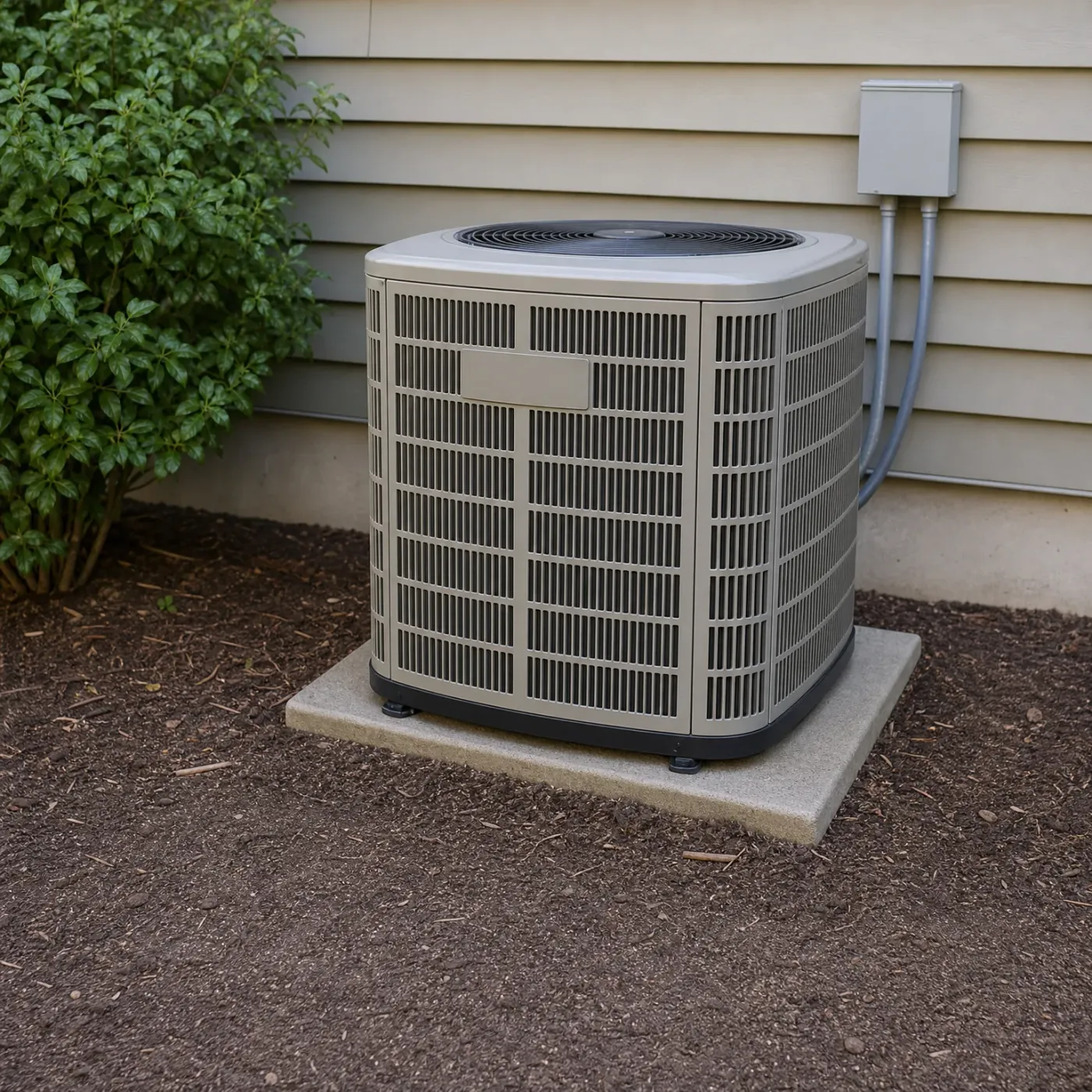
A thin frost line on the coil, then a clean unit again after the cycle runs its course. The fan stays clear, the conduit and disconnect box sit untouched, and nothing drips or hisses while the cycle finishes.
Ice climbs the cabinet and reaches the fan blades, even near the disconnect box. If the unit still looks like this an hour after you checked it last, something in the defrost cycle isn't doing its job.
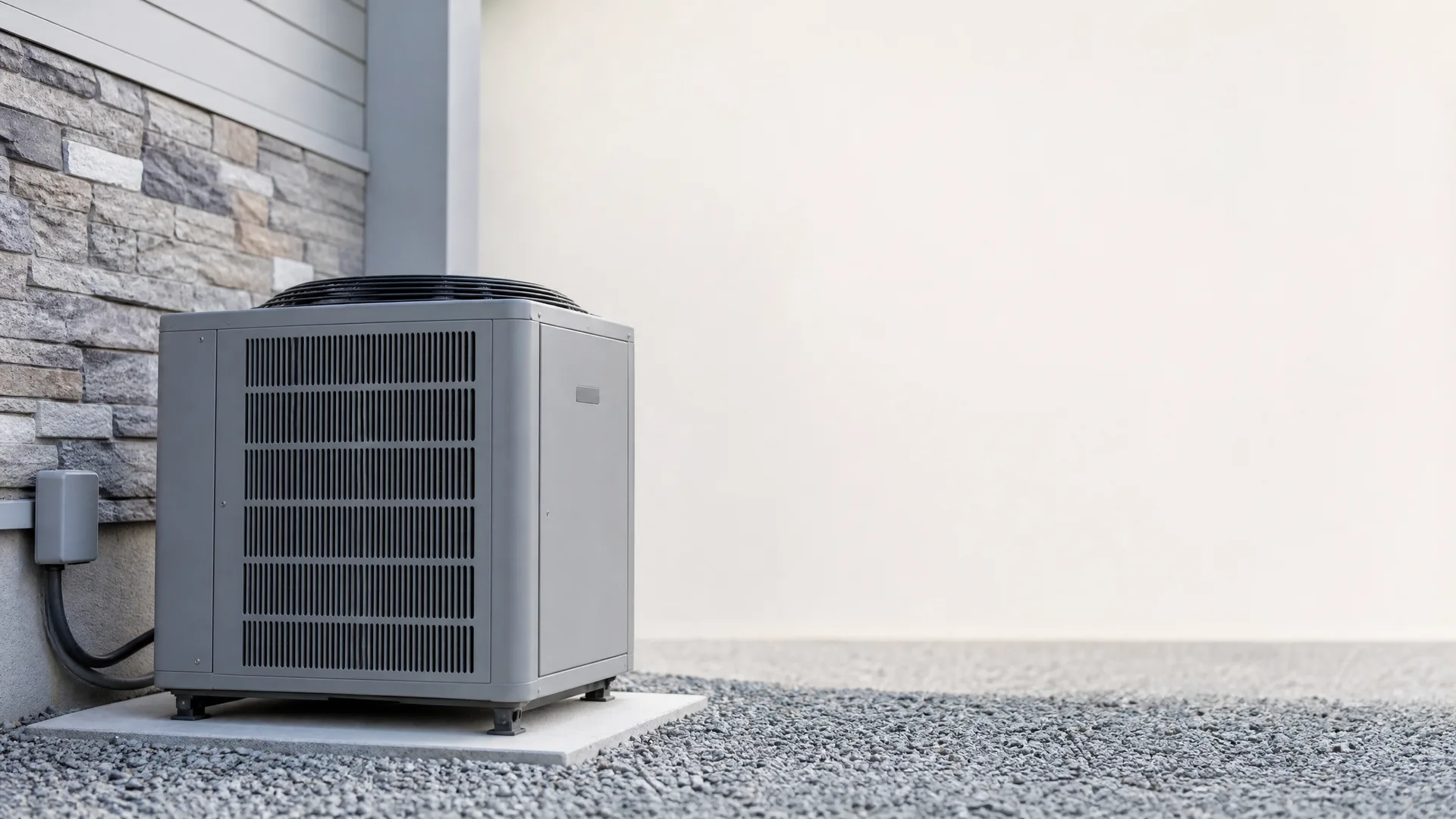
When the control board calls for defrost, the reversing valve flips and sends hot refrigerant gas backward through the outdoor coil instead of the indoor one. That heat melts the ice from the inside out. The outdoor fan shuts off during this so it isn't blowing cold air across the coil while it's trying to warm up. At the same time, the system usually kicks on a set of electric heat strips inside so the air coming through your vents doesn't blow cold while the outdoor unit is mid-cycle.
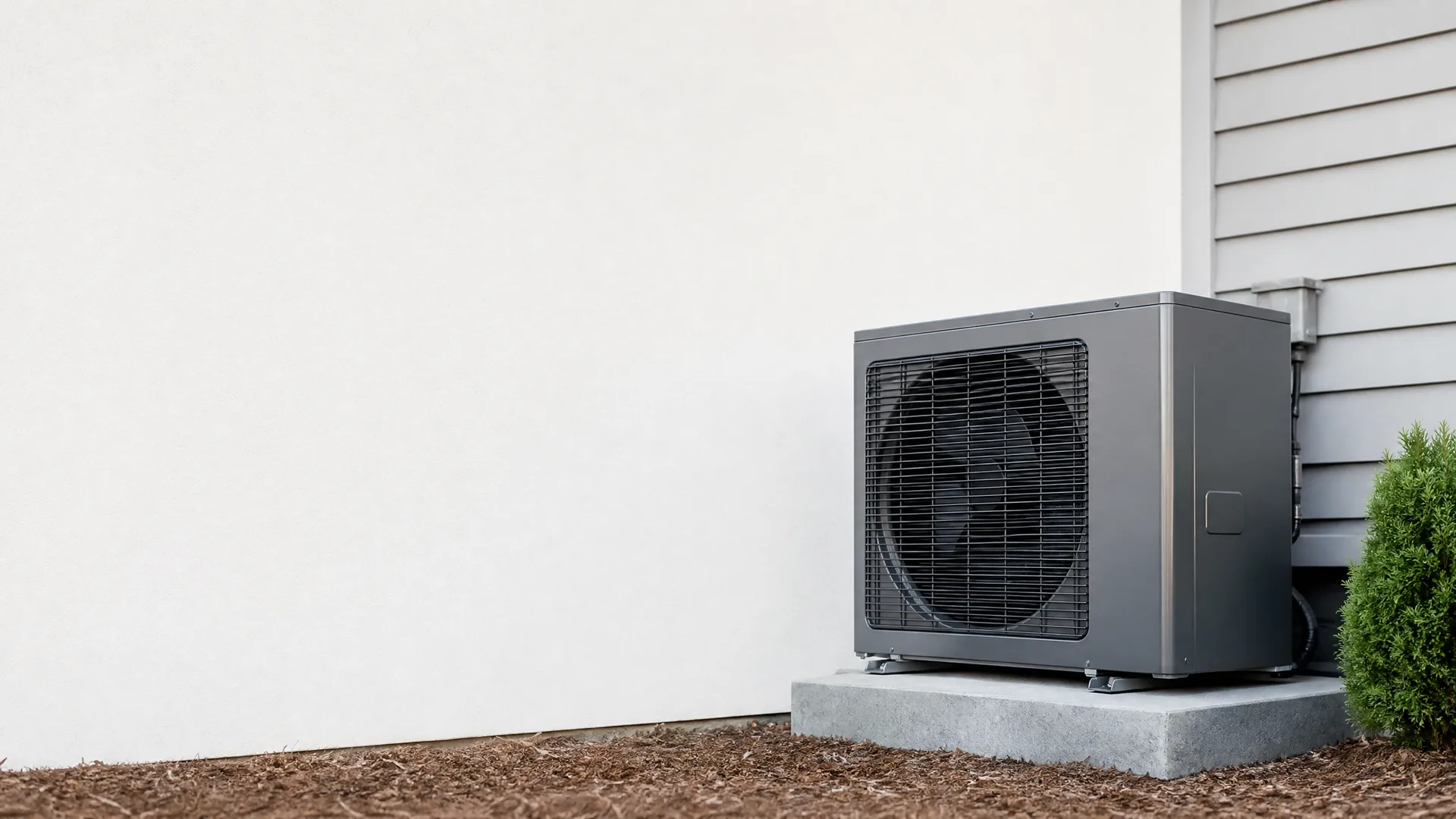
A defrost cycle runs for a few minutes, not an hour. Most boards are set to check every 30 to 90 minutes during a cold stretch, and they only trigger a full defrost if the sensors read ice buildup, not on a fixed schedule regardless of conditions. With power cheap here, running the heat strips for those few minutes a handful of times a day during a cold snap isn't what drives a bill up. A unit stuck in defrost, or cycling into it constantly, is the thing that actually costs you.

If the outdoor unit stays iced over, it stops pulling heat from the air outside, and the system leans harder on backup heat to keep your house warm. Most homes in Oklahoma heat with gas, so that backup is likely a gas furnace kicking in more than it should, burning more gas to cover for a heat pump that isn't doing its job. You'll notice the house running warm air more often without the rooms actually feeling any warmer, or the heat pump running nonstop and still losing ground on a cold morning.
Left alone, a coil that won't clear can freeze the fan blade solid or strain the motor trying to turn against the ice. That turns a defrost problem into a part that needs replacing. Since you already keep an eye on small issues before they turn into bigger ones, this is the point to get someone out to look at it. A local contractor who works on heat pumps all winter here will know whether it's the defrost board, a sensor, or something in the reversing valve, and you'll be matched with one contractor who can look at your specific unit instead of several companies working the phones.



Only one pro gets your request, so you hear from one company.
Sending the form costs nothing.
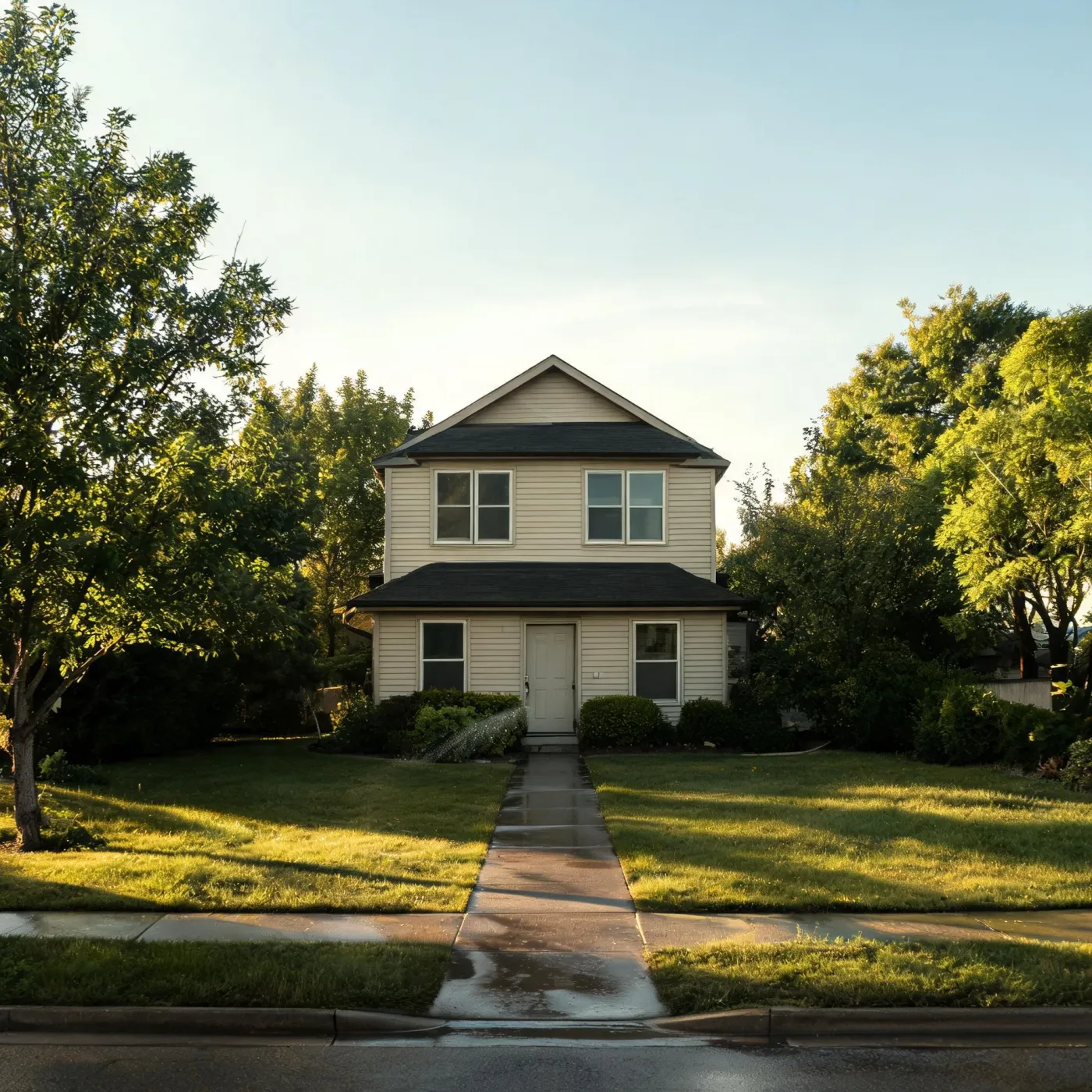
Summer here isn't just hot, it's heavy. Average dew point across June, July and August runs 66°F, per NOAA climate data, which is the sticky, hard-to-shake kind of air. That same humidity matters once winter turns cold, because it's the moisture in the outdoor air that lands on your heat pump's coil and freezes in the first place. Muggier summers mean more moisture sitting in the ground and the air around your unit, so when temperatures drop, there's more for that coil to pull in and turn to frost. It's part of why Oklahoma heat pumps ice up at all, and why a defrost cycle that runs too short or too long shows up as a real problem fast.
NASA POWER T2MDEW county cells weighted by homes




The outdoor unit doesn't guess. A sensor clipped to the coil tracks its temperature, and the control board uses that reading to decide when ice has had time to build. On most systems the board checks on a fixed clock, somewhere between every 30 and 90 minutes, and only commits to a defrost cycle if the coil is still cold at that check. Some boards add a second input, a pressure switch on the refrigerant line, so the cycle only fires when both readings agree the coil is iced. That second check keeps the system from defrosting on a cold but ice-free night, which would waste heat for no reason.
Once defrost starts, the outdoor fan cuts off right away. Running the fan during defrost would pull cold air across the coil while hot gas is trying to melt the ice off it, and the ice would just reform as fast as it melted. With the fan off and the reversing valve sending hot gas through the coil, the ice should melt in a pattern, small holes opening up across the face of the coil in a honeycomb arrangement as the heat reaches each row.
The cycle doesn't run until the ice is gone. It ends when a timer built into the board runs out, or when the coil sensor reports a temperature above the cutoff point, whichever happens first. That's why a defrost cycle that cuts off early sometimes leaves a strip of ice still clinging to one section of the coil.
At 13.21 cents a kilowatt-hour, running backup heat to cover for an iced-over unit costs real money fast. Electric resistance heat draws a lot more power than the heat pump alone, so a stuck defrost cycle shows up on your next bill, not just on the coil outside.
EIA-861 2025 statewide residential average
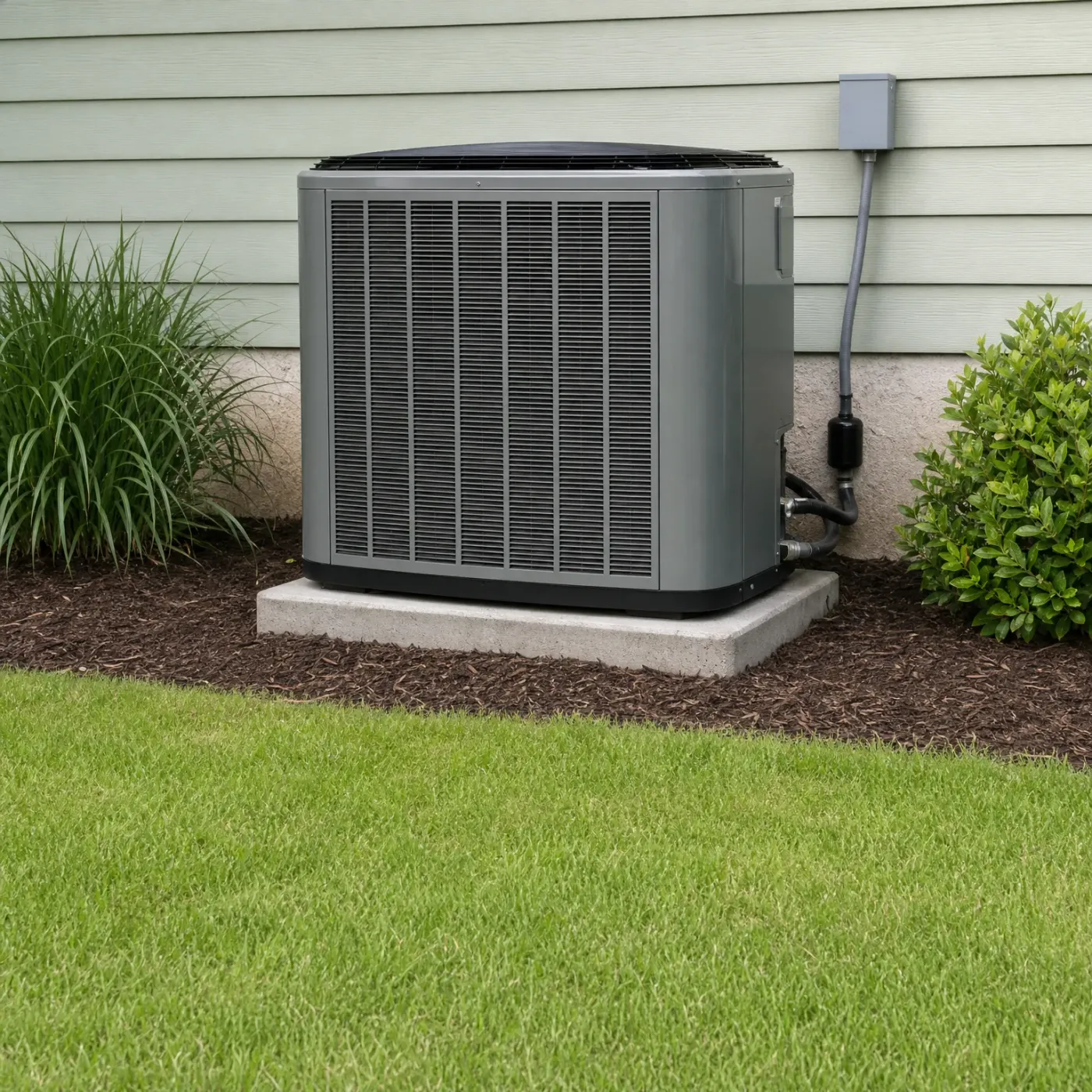
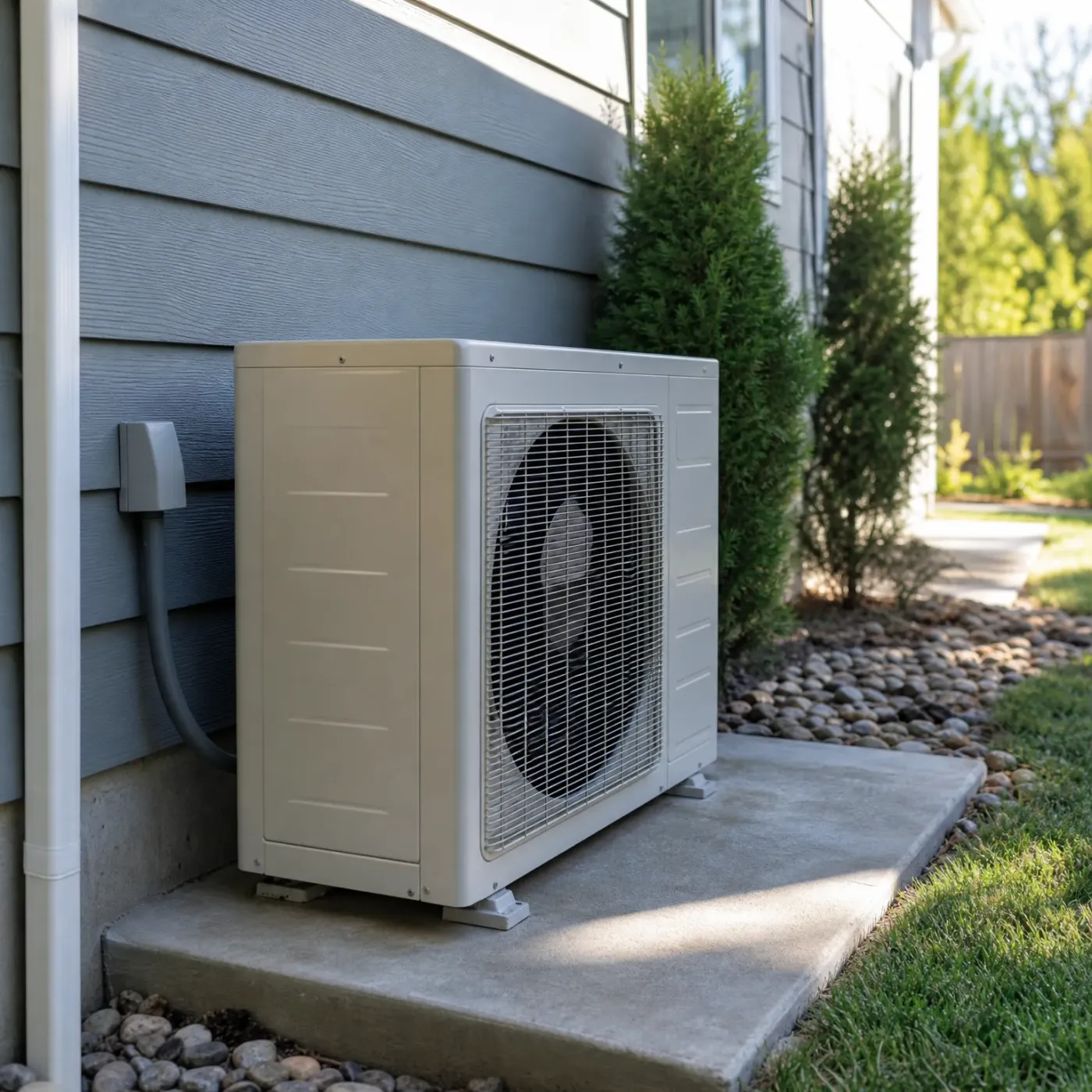
This is what the outdoor unit should look like most of the time: bare metal fins, a clear fan, and the pad around it dry. Mulch and grass can sit close without any trouble, since the cabinet isn't throwing off meltwater or running hot to fight ice.
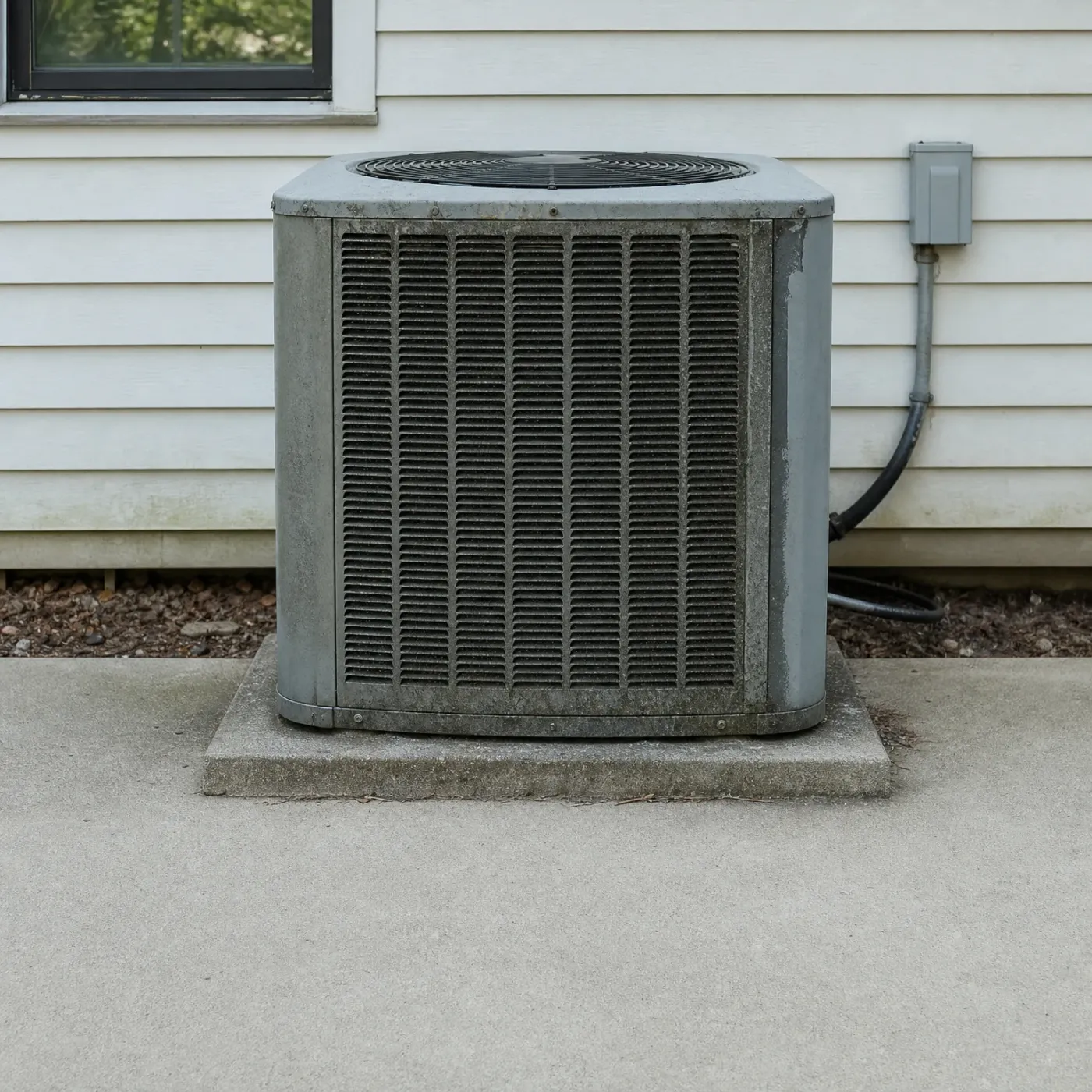
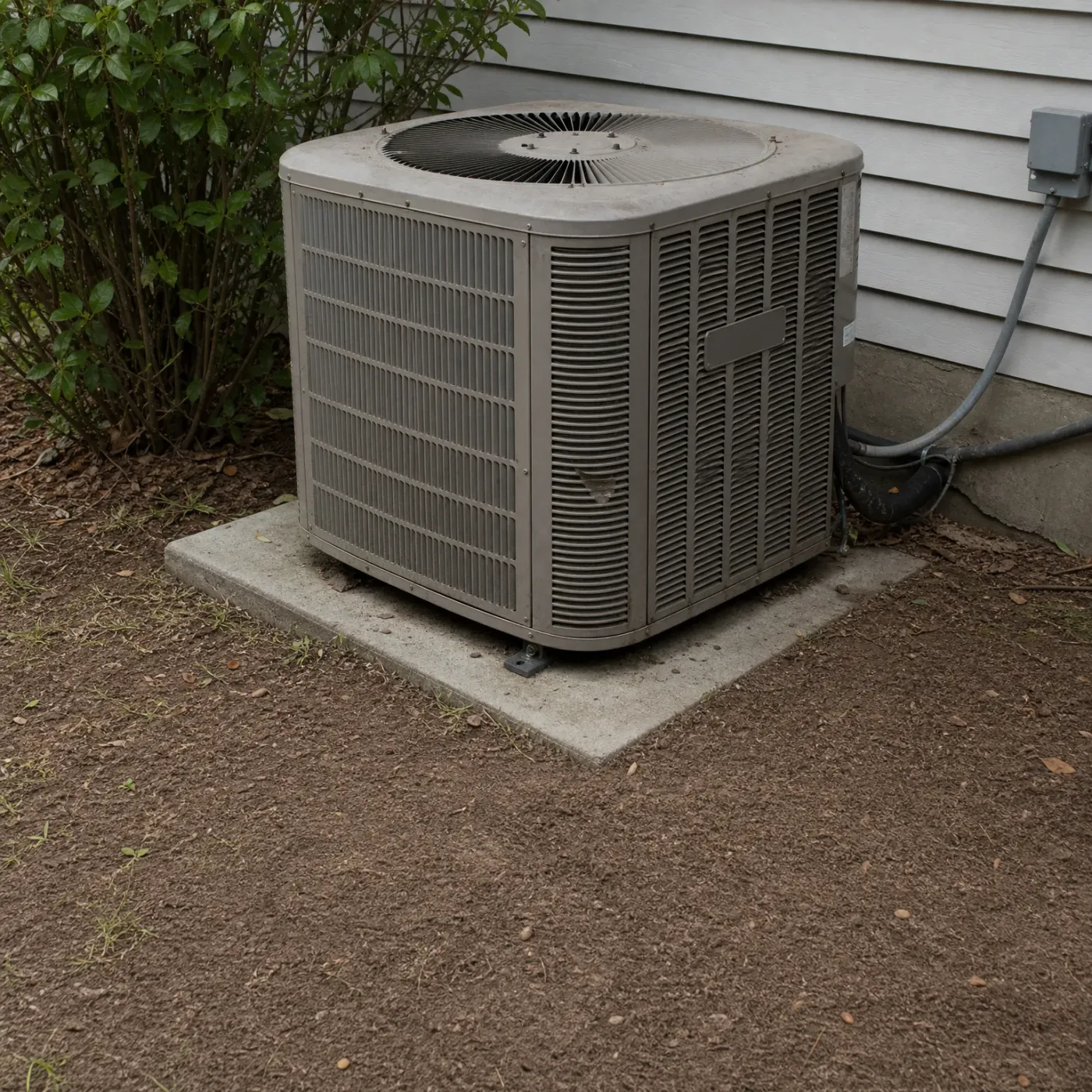
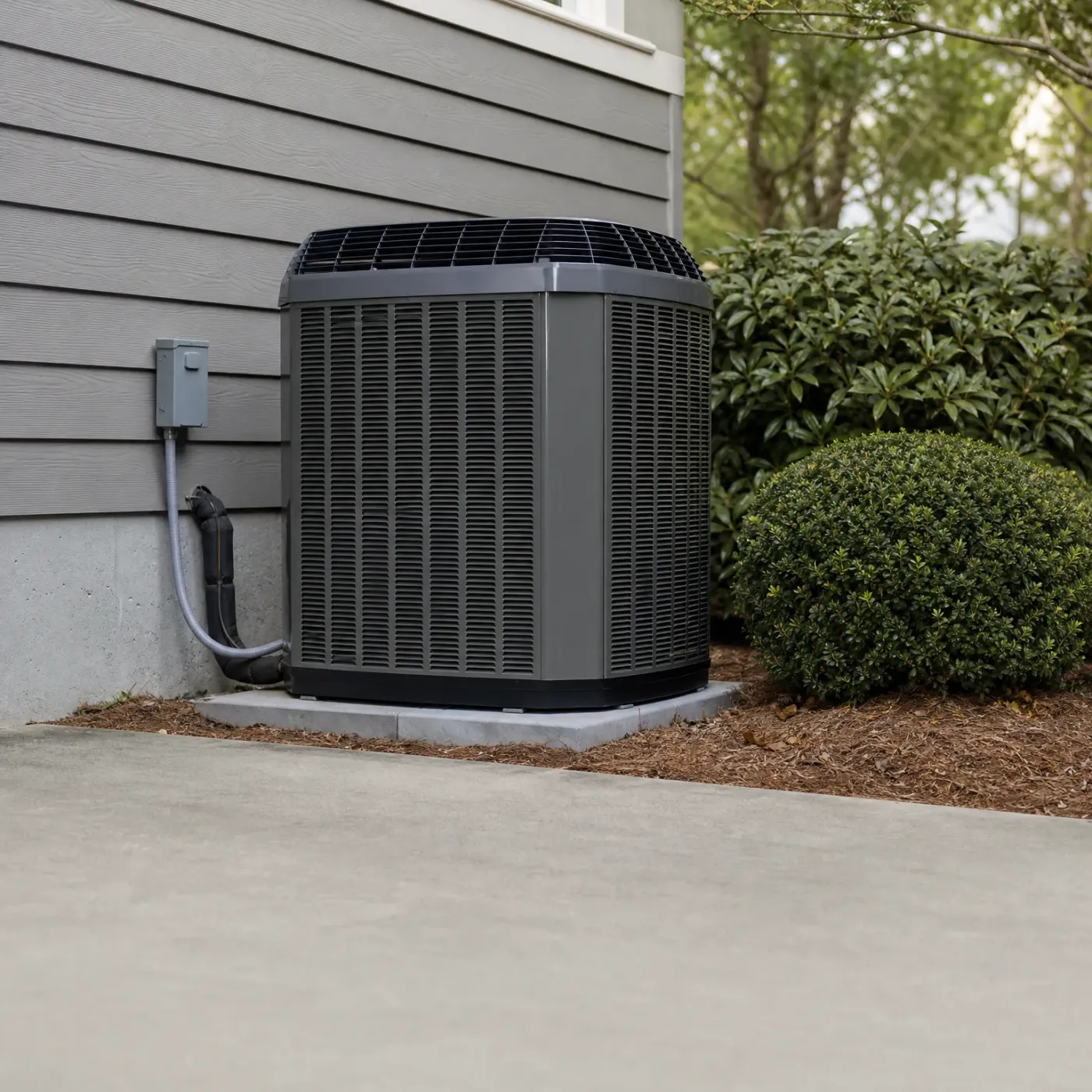
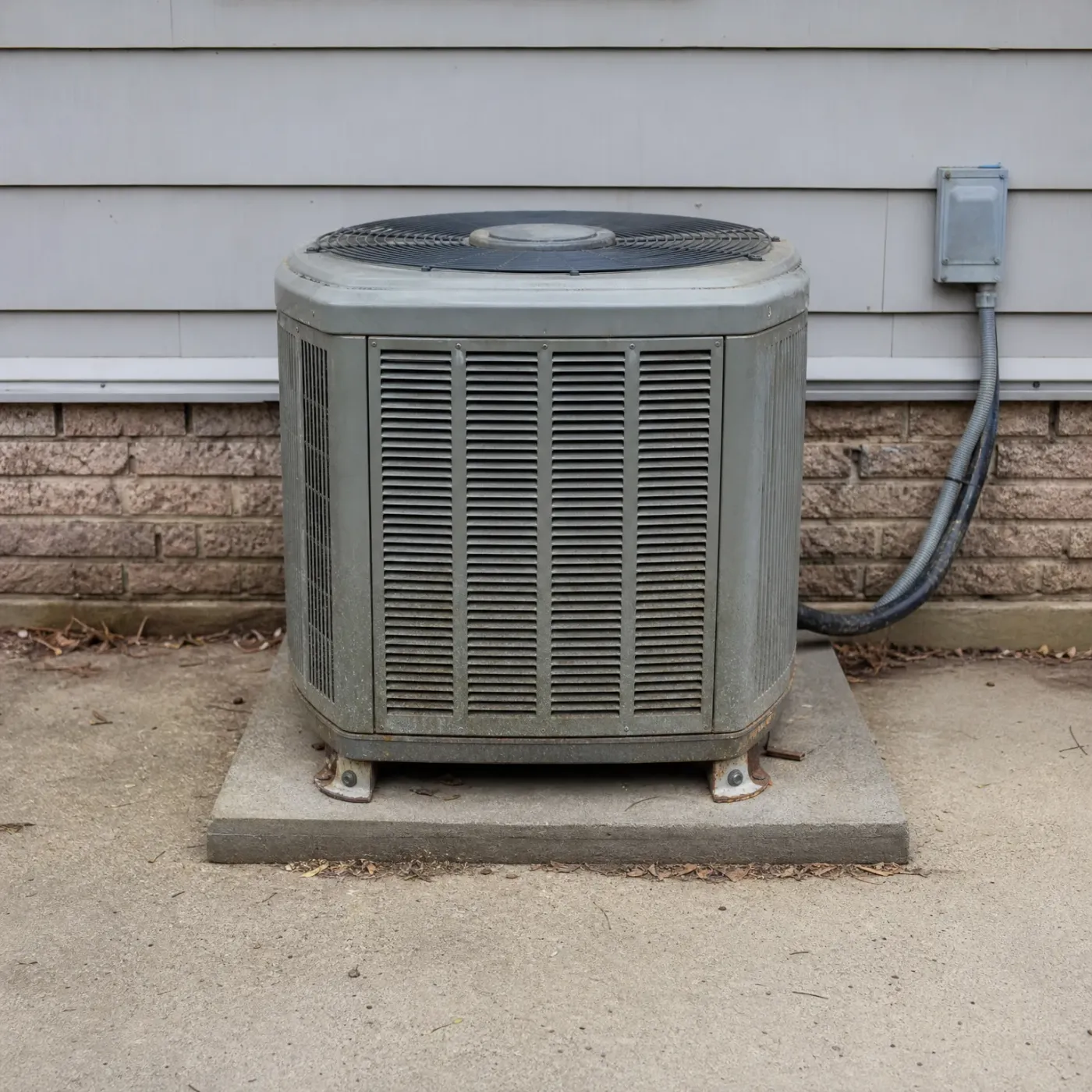
Grime and buildup like this on the fins means the coil already had less surface to shed heat before winter even started. A unit in this shape going into a cold snap has a shorter path from normal frost to a crust the defrost cycle can't clear on its own.
A thin frost that clears on its own is the unit doing its job. A thick crust that won't melt, or ice that keeps coming back within the hour, means the defrost cycle has stopped working and the system is leaning on backup heat to keep your house warm. At 13.21 cents a kilowatt-hour, that backup heat adds up fast if it runs for days instead of hours. The part that usually fails, a defrost sensor, a stuck reversing valve, a control board that's lost its timing, isn't something you can see from the yard. A contractor who works on heat pumps through Oklahoma winters has seen which of those parts tends to go first on units like yours, and checking it is quick work once someone's standing in front of the unit. You'll be matched with one licensed contractor local to you, not a handful of companies competing for the job, so you're dealing with one person who knows your situation before they show up.
Your request stays with one local pro.
You're not committing to anything by asking.