

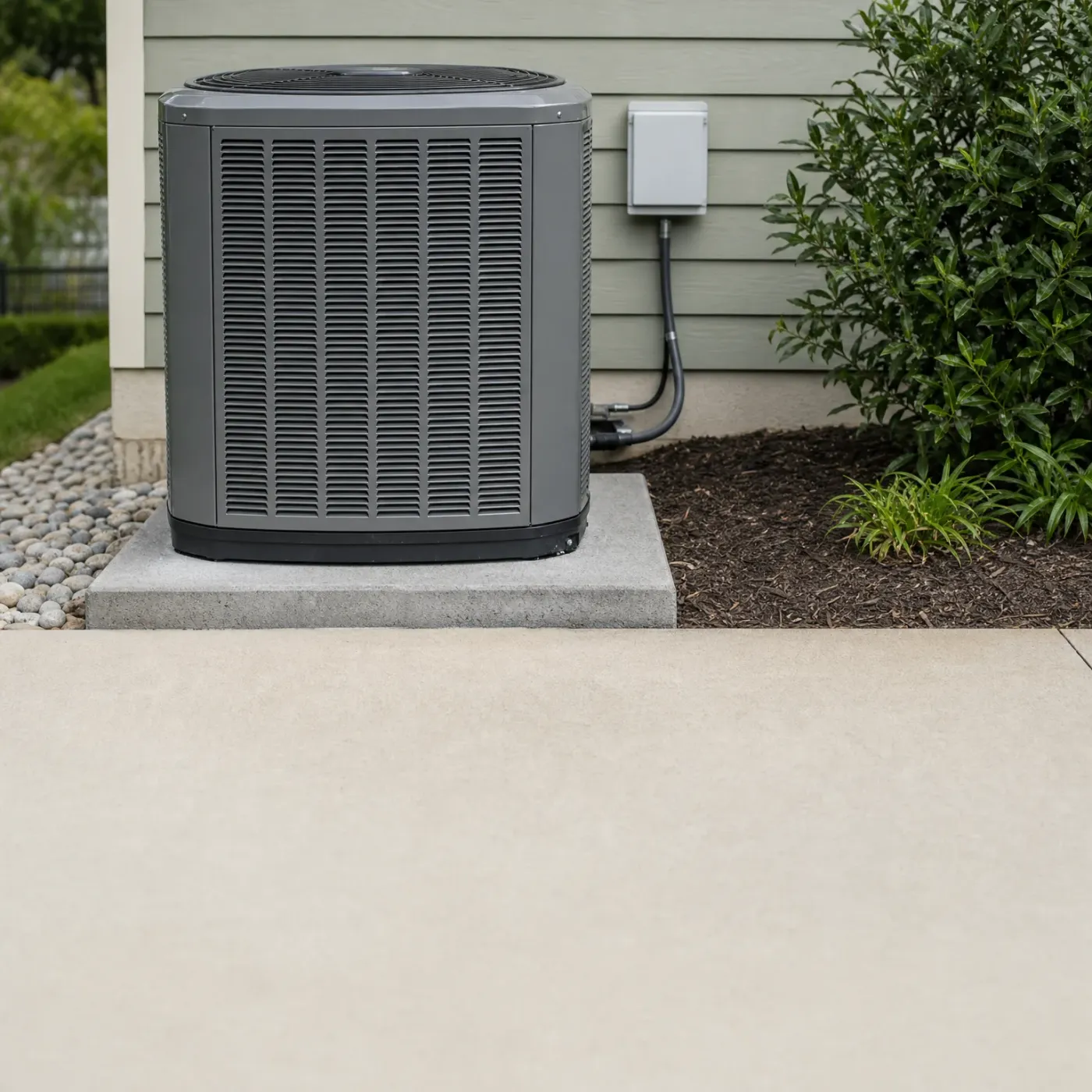
Running normal
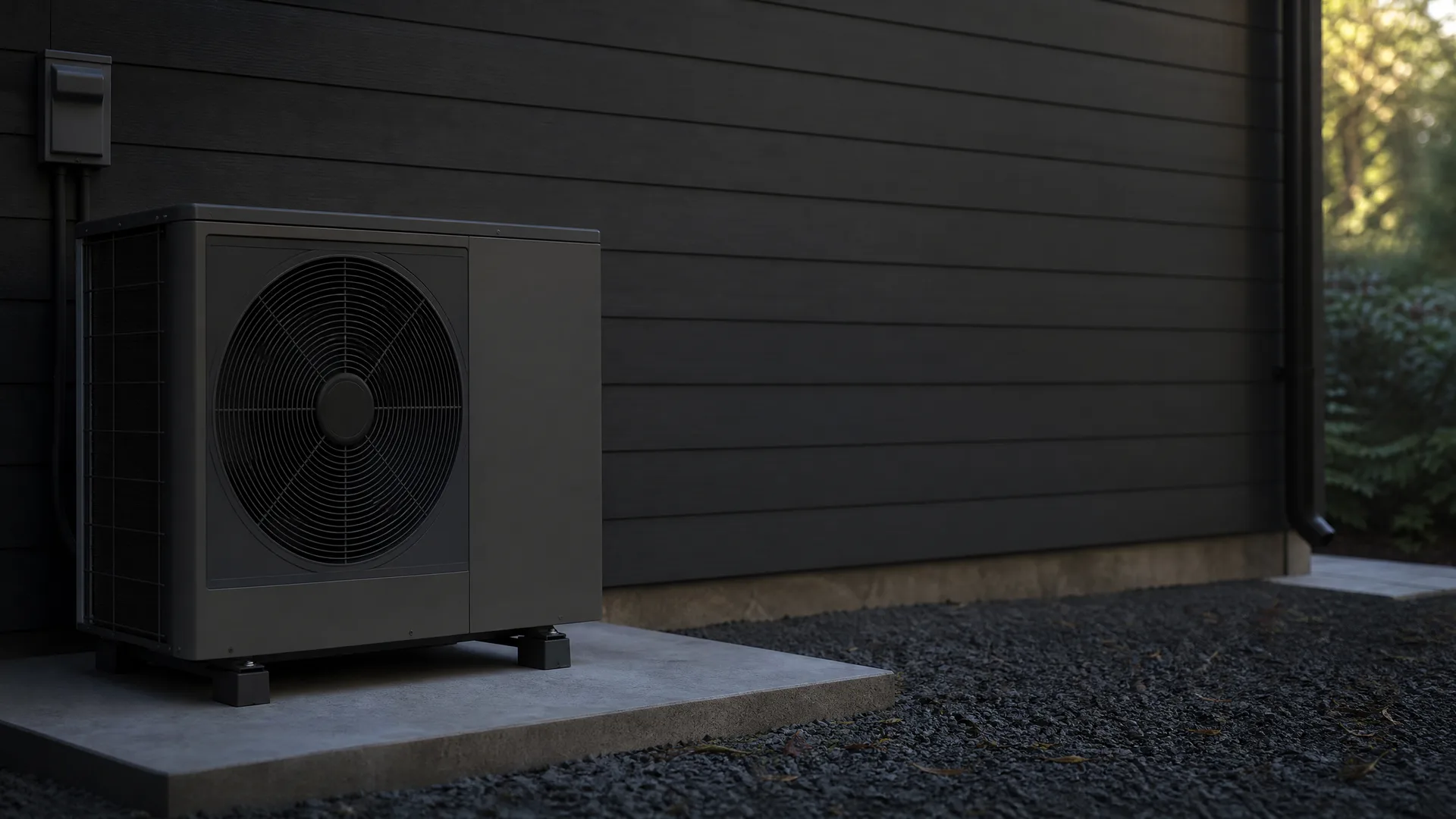
The outdoor unit sits level on its pad, coils clean, air moving through freely. It kicks on, runs for a stretch, and shuts off on its own once the house reaches temperature. No bursts, no restarting every few minutes.
Send the request today and let a heat pump pro reach out to you.
Hand off my repairYou notice the outdoor unit kicking on, running for a few minutes, then shutting off again, over and over. It never seems to settle into a normal run. That pattern wears on the compressor, and it usually means your heat pump isn't actually catching up on the temperature in your house, even though it sounds like it's working hard.
Short cycling almost always comes down to the heat pump sensing it's done before it really is. A dirty air filter or a low refrigerant charge can trip the system into thinking the house has reached the set temperature when it hasn't. A failing thermostat sensor can do the same thing, telling the unit to shut off too soon. Sometimes it's simpler than that: the unit itself was sized too large for the house, so it blasts past the thermostat setting fast and shuts off, then kicks back on minutes later. With power cheap here, a lot of Oklahoma homeowners don't notice the extra cost right away, but the wear on the compressor from constant restarts adds up regardless of what the bill shows.
The outdoor unit sits level on its pad, coils clean, air moving through freely. It kicks on, runs for a stretch, and shuts off on its own once the house reaches temperature. No bursts, no restarting every few minutes.
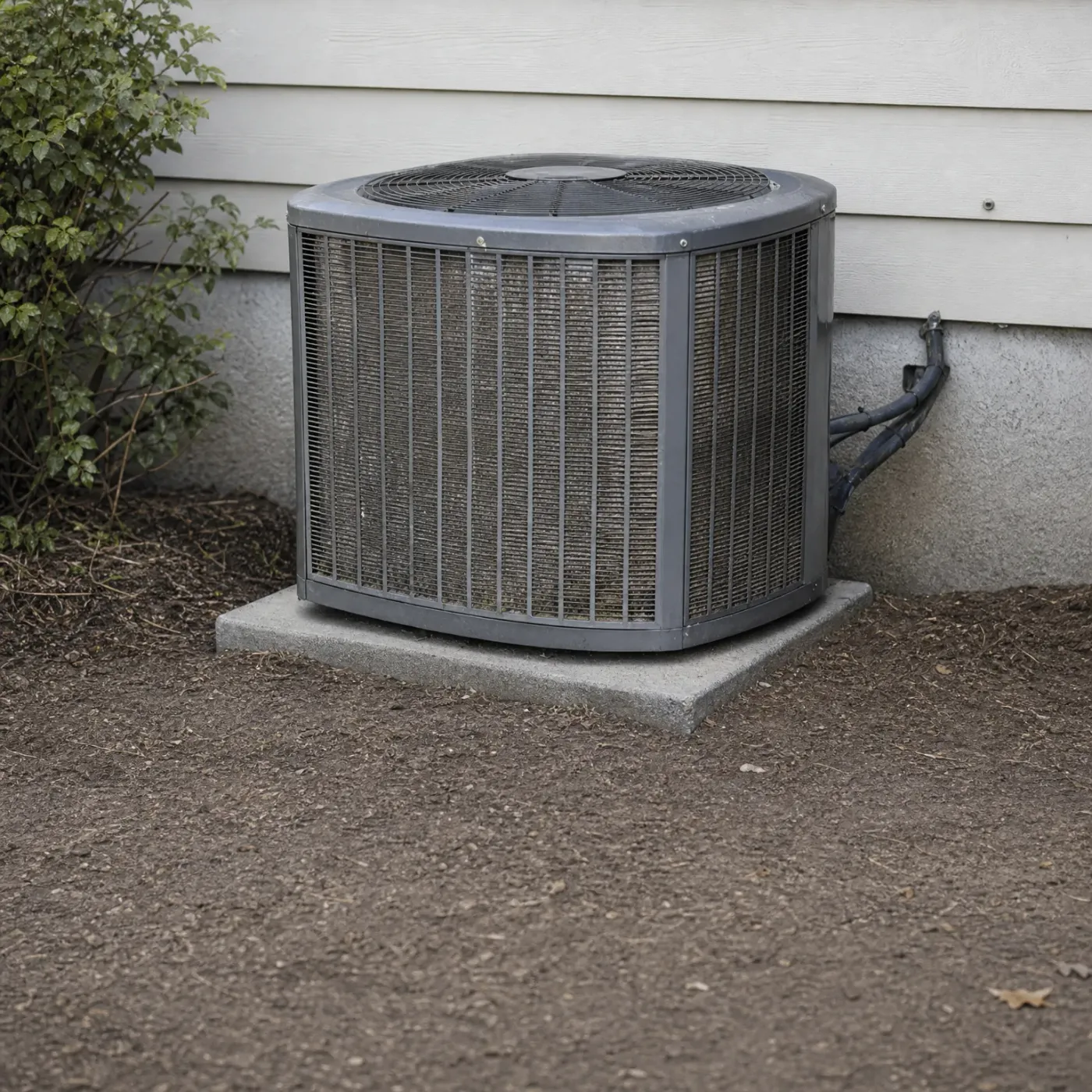
The coils are caked with dirt and leaves, blocking the airflow the unit needs to run a full cycle. It shuts off early, sits, and fires back up again and again. Left alone, that strain lands on the compressor.




A heat pump is built to run long, pull steady, and shut off on its own once the house is at temperature. When it won't settle into that pattern, something is interrupting it before the job is done. A low refrigerant charge lets the indoor coil frost over, and the system reads that cold coil as a reason to shut the compressor down, whether or not the house has actually cooled or warmed. Airflow problems do something similar from the other direction. A dirty outdoor coil or a blocked return vent trips a pressure switch, and the compressor loses power early. Electrical parts fail this way too. A run capacitor that's going bad can get the compressor started but can't hold it, so it stalls and the breaker or a safety switch kills it. In winter, a defrost control board that's stuck can reverse the cycle and shut things down over and over even with a clean coil. And sometimes the unit itself is the issue. One sized too big for the house will always hit setpoint fast, which means it's shutting off before it's pulled any real moisture out of the air.
A heat pump that short cycles through an Oklahoma summer is working against itself on the days it can least afford to. Short bursts don't cool the house, they just run the compressor hard and shut it down before it finishes the job, and that happens again and again while the humidity outside keeps climbing. Left alone, that habit shortens the life of a system you depend on most of the year here, since winters lean on it too. Finding someone to look at it usually means searching around, calling a few contractors, explaining the on-off pattern to each one, then weighing quotes that may not even agree on what's wrong. Sending this form hands that off. One contractor gets your request, already knowing what you're seeing, and the work of sorting through who to call stops being something you have to do today. Your part is done once it's sent.
Every time the compressor stops and starts, it draws a surge of current well above what it pulls once it's running steady. A unit that settles into a normal cycle might start up a handful of times an hour during the worst of an Oklahoma summer. One that's short cycling can start up every few minutes, all day long. That's a lot more starts, a lot more surges, and a lot more heat building up in the windings each time. Compressors fail from that kind of repeated stress long before they fail from ordinary wear.
A low charge or a dirty coil makes the indoor coil run colder than it should, and once frost forms on it, the frost itself blocks airflow and makes the coil colder still. The system can't fix that by cycling off for a few minutes. Ice needs time and warm air moving across it to melt, and a short cycle gives it neither. So the unit comes back on to a coil that's still partly frozen, runs even less efficiently, and shuts off again. Each cycle makes the next one worse until something gets fixed.


Short cycling pulls a surge of current on every restart. A compressor that should start once or twice an hour is starting far more, and each surge adds wear a steady run never would.
Power here is cheap, but a compressor restarting constantly still runs up more than a system that cools the house once and shuts off. You pay more for air that never quite gets cold.

You'll feel it before you think to check the thermostat. A room gets close to comfortable, then starts creeping warm again twenty minutes later, because the unit shut off before it pulled the humidity down. In an Oklahoma summer that's the difference between a house that feels dry and one that feels sticky no matter what the number on the wall says. Run it long enough and you're looking at a system that wears out years ahead of schedule, on top of a compressor that may already be failing when you finally get someone out to look at it.
Most people in this situation start calling around: one contractor says it's the charge, another wants to check the board, a third can't come out for a week. You end up explaining the same on-off pattern three or four times before anyone actually looks at the unit. Send the form here and that part's done. You're matched with someone licensed to work on it, and you're not the one sorting through quotes or repeating yourself to get there.

At 13.21 cents a kilowatt-hour, every extra start the compressor makes shows up on your bill. A heat pump short cycling isn't just annoying, it's drawing that surge of current again and again, all on power you're already paying for.
EIA-861 2025 statewide residential average
A heat pump that short cycles isn't going to fix itself. It will keep starting, stopping, and starting again, and the compressor will keep taking that surge every time, through every hot afternoon this summer brings. The fix is a diagnosis: checking the charge, the coil, the thermostat, the airflow, finding which one is cutting the cycle short. That's not something to guess at from the couch. What usually eats the time isn't the repair, it's getting to it: searching for a contractor who works on heat pumps, calling a few, explaining the on-off pattern to each one, then sitting with quotes trying to compare them against each other. Send the form on this page and that part is done. You won't be the one tracking down who's available or repeating yourself to the next person on the list. Someone qualified gets the details and takes it from there, and the short cycling you've been watching becomes a problem that's actually being worked instead of one you're still carrying alone.
Describe what your heat pump is doing once, in one form.